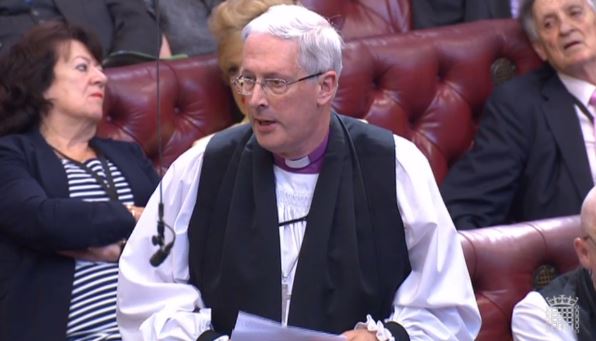
Bishop of Southwark asks about help for displaced people in Iraq and Syria

On 12th May 2016 Baroness Sheehan asked Her Majesty’s Government “what evidence they have to support their claim that “pull factors” are responsible for the mass movement of people from the Middle East and North Africa in recent years.” The Bishop of Southwark, Rt Revd Christopher Chessun, asked a follow up question:

SouthwarkThe Lord Bishop of Southwark: My Lords, what possibilities does Her Majesty’s Government see for effective governance in Libya and for the much-needed increase in giving by our international partners to maintain the displaced populations of Iraq and Syria, which will impact on the movement of people and, most importantly, make a positive contribution to their lives? Continue reading “Bishop of Southwark asks about help for displaced people in Iraq and Syria”

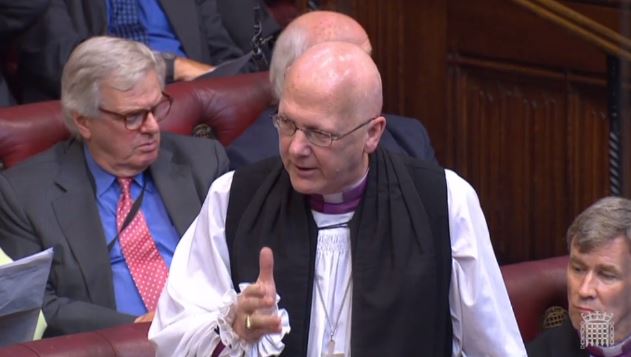
Bishop of St Albans asks about grassroots engagement to improve voter turnout

On 12th May 2016 Lord Kinnock asked Her Majesty’s Government “what steps they are taking to emphasise the importance to citizens, particularly young people, of registering to vote to enable them to participate in the referendum on the United Kingdom’s membership of the European Union on 23 June.” The Bishop of St Albans asked a follow up question: 

St Albans 2The Lord Bishop of St Albans: In response to a previous debate, I worked with Bite The Ballot and got it into one of our church schools. The interesting thing for me was seeing not that people could not understand voting but that they did not know what difference it would make. Watching young people being taken through the process and the penny drop about the implications was fundamental. It seems to me that we need people to engage at the grassroots. What attempt is being made to use voluntary and charitable organisations, many of which—including the churches—have newspapers and all sorts of other publications and are in touch with millions of people, as a way of trying to raise the issue in the next month, as the noble Lord asked? Continue reading “Bishop of St Albans asks about grassroots engagement to improve voter turnout”

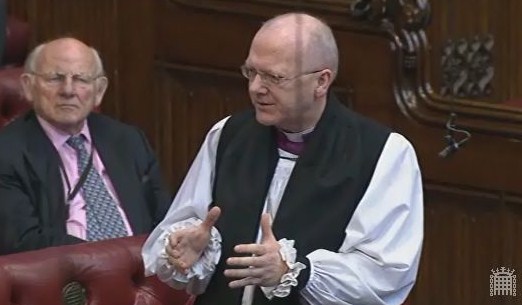
Bishop of St Albans asks Government about action to prevent fly-tipping

On 12th May 2016 the Bishop of St Albans, Rt Revd Alan Smith, received written answers to questions of Government about fly-tipping:

St Albans 2The Lord Bishop of St Albans: To ask Her Majesty’s Government what assessment they have made of the levels of fly-tipping on private land across the UK in each of the last five years. [HL8278]

Lord Gardiner of Kimble: Fly-tipping is unacceptable whether it occurs on public or private land, it spoils our enjoyment of the countryside, can harm human health and wildlife, and damage farming and rural tourism. It also undermines legitimate waste businesses where unscrupulous operators undercut those that operate within the law and is a drain on both local authorities and landowners that clear it up. Tackling this scourge and other forms of illegal waste activity is a priority for the Government. Continue reading “Bishop of St Albans asks Government about action to prevent fly-tipping”

Bishop of St Albans asks Government about support for unaccompanied child refugees

On 10th May 2016 the Bishop of St Albans, Rt Revd Alan Smith, asked a question in the House of Lords on support for unaccompanied child refugees. His question, the follow up and further questions from Peers are below: 

The Lord Bishop of St Albans: To ask Her Majesty’s Government what extra resources they plan to provide to local authorities to support the foster care of unaccompanied refugee children, and what plans they have to engage charities that may have volunteers available to help.

St Albans

The Advocate-General for Scotland (Lord Keen of Elie) (Con): My Lords, the Minister for Immigration will shortly be writing to local authorities to set out the new funding rates for unaccompanied asylum-seeking children. We are consulting with local authorities across the United Kingdom to understand how many children they can support, and we will engage charities with relevant expertise as a part of that process.

The Lord Bishop of St Albans: I thank the Minister for that Answer. In all our debates and statistics, it is vital that we remember that the needs of the child are paramount at every point. A number of my colleagues have signed a letter that was published in the Times today, calling on Her Majesty’s Government to ensure that the unaccompanied children living in the Calais camps who have families here in the UK are reunited with them in time for the new school term in September—and, furthermore, calling on the Government to act on the 300 unaccompanied children in Greece and Italy and deal with that in the same timeframe. In the light of this profound humanitarian need—indeed, crisis—would the Minister assure the House that the Government will act on these matters immediately? Continue reading “Bishop of St Albans asks Government about support for unaccompanied child refugees”

Church Commissioners: Near Neighbours

On 5th May 2016 the Second Church Estates Commissioner, Rt Hon Caroline Spelman MP, answered a written question from Karl McCartney MP, on Near Neighbours:

Karl McCartney (Lincoln): To ask the right hon. Member for Meriden, representing the Church Commissioners, what progress has been made on the Near Neighbours programme. [904799]
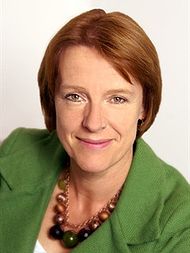
Caroline SpelmanMrs Caroline Spelman: The Church Commissioners welcome the Government’s recent announcement of a further £1.5 million for the Near Neighbours programme, which is administered by the Church Urban Fund.

This third round of funding for Near Neighbours will help it build on its successful track record of delivering projects up and down the country to transform local areas by strengthening relationships between those of different religious and ethnic backgrounds on issues of shared concern.

The Near Neighbours programme has offered small grants between £250 and £5,000, providing seed capital for local groups and organisations who are working to bring together neighbours, to develop relationships across diverse faiths and ethnicities in order to improve their communities.

The Near Neighbours grants fund has so far awarded seed capital worth £3.66m to over 1,120 projects. These projects have impacted the lives of 941,000 people and 71% of projects have continued to run after the initial seed capital was spent. All Near Neighbours projects are designed to change hearts and minds by bringing together different communities within a neighbourhood so that they can work together on issues of shared concern and common values.

More information on Near Neighbours can be found on its website at: https://www.cuf.org.uk/how-we-help/near-neighbours

(via Parliament.uk)

Bishop of St Albans supports call for UK to welcome Afghan interpreters

Bishop of St AlbansOn the 5th May, Lord Ashdown of Norton-sub-Hamdon asked Her Majesty’s Government “what assessment they had made of the treatment of Afghan interpreters seeking to be housed in the United Kingdom.” The Bishop of St Albans, the Rt Revd Alan Smith, asked whether the Government could do more to recognize the value Afghan interpreters have provided for British military efforts.
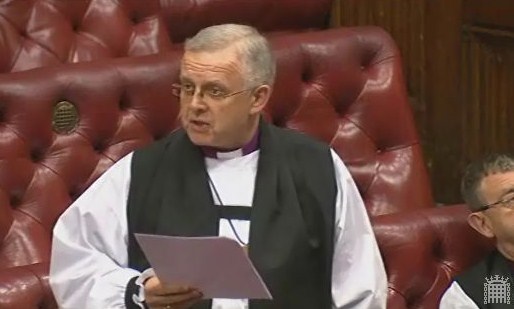
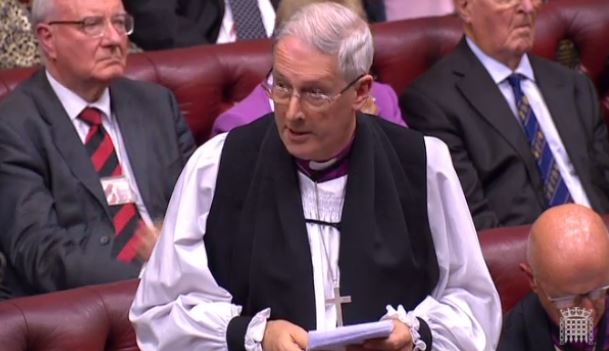
The Lord Bishop of St Albans: My Lords, does the Minister not recognise that, with this story that is going on, not only do we owe them a debt of honour but what it is going to mean is that, when future conflict is going on, other people will think, “I dare not take the risk”? As well as being the right thing to do, this is actually in our own interests, because we need these people when we go into conflict to help us and co-operate with us. This is a long-term strategy. Could the Minister comment on that, please? Continue reading “Bishop of St Albans supports call for UK to welcome Afghan interpreters”

Church Commissioner questions: same sex marriage, Near Neighbours, Iraq, apprenticeships, ethical investment

On 5th May 2016 MPs asked questions in the House of Commons to Rt Hon Caroline Spelman MP, on behalf of the Church Commissioners. Questions were asked on same sex marriage, Near Neighbours, Iraq, apprenticeships and ethical investment:
Spelman CCQs June 2015 4 Continue reading “Church Commissioner questions: same sex marriage, Near Neighbours, Iraq, apprenticeships, ethical investment”

Bishop of Peterborough asks Government about plans to reduce prison suicides

14.02 PeterboroughOn 3rd May 2016 Lord Marks of Henley-on-Thames asked Her Majesty’s Government, “in the light of the latest figures on deaths in custody and prison violence, what plans they have to improve prison safety in the short term.” The Bishop of Peterborough, Rt Revd Donald Allister, asked a follow up question:

The Lord Bishop of Peterborough: My Lords, given the shocking 27% rise in suicides in prisons in the last year, what can the Minister tell us about the provision of psychiatric and psychotherapeutic care for vulnerable prisoners? Continue reading “Bishop of Peterborough asks Government about plans to reduce prison suicides”

Bishop of Southwark asks Government about future development support to Iraq

BishSouthwarktaxcreditsOn 3rd May 2016 the Bishop of Southwark, Rt Revd Christopher Chessun, received a written answer to a question about DfID’s future support to Iraq:

The Lord Bishop of Southwark: To ask Her Majesty’s Government, further to the Written Answer by Baroness Verma on 1 April (HL7307), when they expect the Department for International Development to complete its assessment of the future support to Iraq through the Bilateral Aid Review process. [HL7711] Continue reading “Bishop of Southwark asks Government about future development support to Iraq”

Bishop of St Albans asks Government about challenges for rural areas when small schools become academies

On 28th April 2016 the Bishop of St Albans, Rt Revd Alan Smith, asked an oral question in the House of Lords on the challenges facing rural schools in conversion to academy status. The transcript of the answer, his follow-up question and those of other members is below.

The Lord Bishop of St Albans: To ask Her Majesty’s Government what assessment they have made of the challenges to be faced by small rural schools in the conversion to academy status.

Bishop of St AlbansThe Parliamentary Under-Secretary of State, Department for Education (Lord Nash) (Con): My Lords, we fully recognise the challenges faced by small rural schools and are committed to supporting them; for instance, they will each have a named adviser in the conversion process. Many rural schools have been underfunded through an unfair system. Our new national funding formula will match funding to need and reflect their unique circumstances, ensuring that they remain at the heart of their communities.

The Lord Bishop of St Albans: I thank the Minister for his response and for those details. However, does he recognise that this is about not just the viability of rural schools but the viability and sustainability of whole rural communities, given the important role that schools play in attracting and retaining workers in rural areas? Many people are concerned that, if rural schools are put into multi-academy trusts, those trusts will not have the same obligation to take into account the wider issues of rural sustainability; indeed, there may be huge pressure for mergers and closures based simply on finance and nothing else. In the light of that, can the Minister tell us what the Government intend to do to prevent that happening? Continue reading “Bishop of St Albans asks Government about challenges for rural areas when small schools become academies”