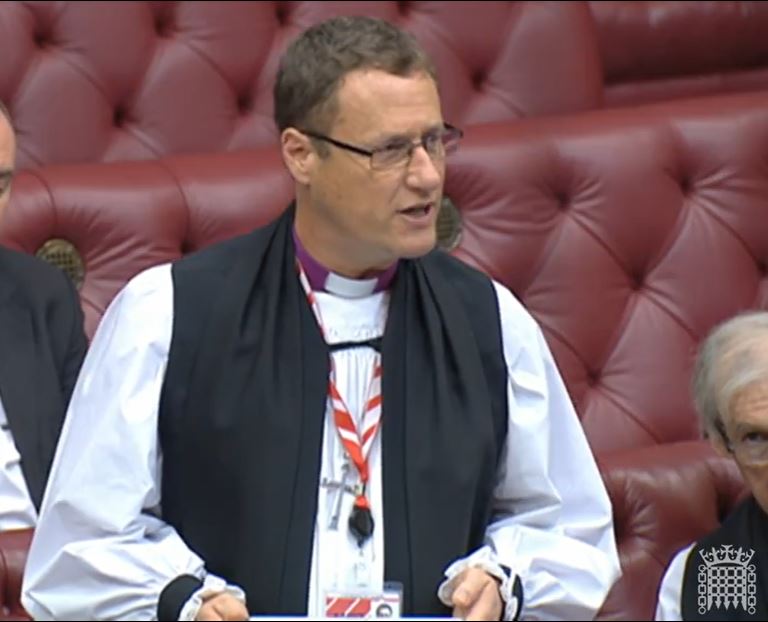
Bishop of St Edmundsbury and Ipswich speaks on use of armed force and ethics of conflict

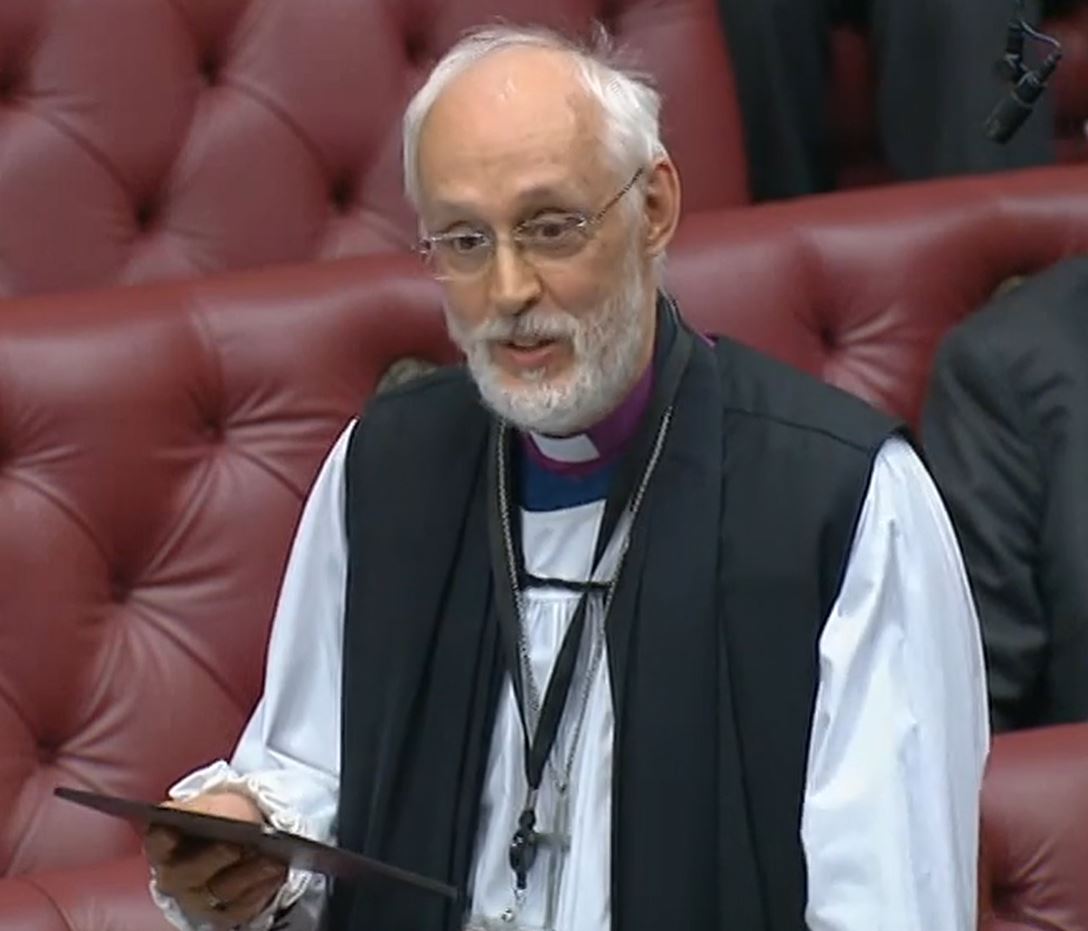
The Bishop of St Edmundsbury and Ipswich gave a speech in response to a motion to take note of the UK’s position on foreign affairs, on the topic of how and why armed force is used, and the difficulties of the ethics of war:

The Lord Bishop of St Edmundsbury and Ipswich: My Lords, I add my gratitude and appreciation to the noble Lords, Lord Cameron and Lord Ahmad, not just for what they do but for the way in which they do it.

I want to focus on how we continue to apply moral principles surrounding war in this ever-changing landscape. These are dangerous and uncertain times, as we have heard countless times this afternoon, for which we must prepare—and good preparation is itself deterrence. I add my name to the appeal made by the noble Baroness, Lady Goldie, that we see a significant increase in defence funding.

Continue reading “Bishop of St Edmundsbury and Ipswich speaks on use of armed force and ethics of conflict”

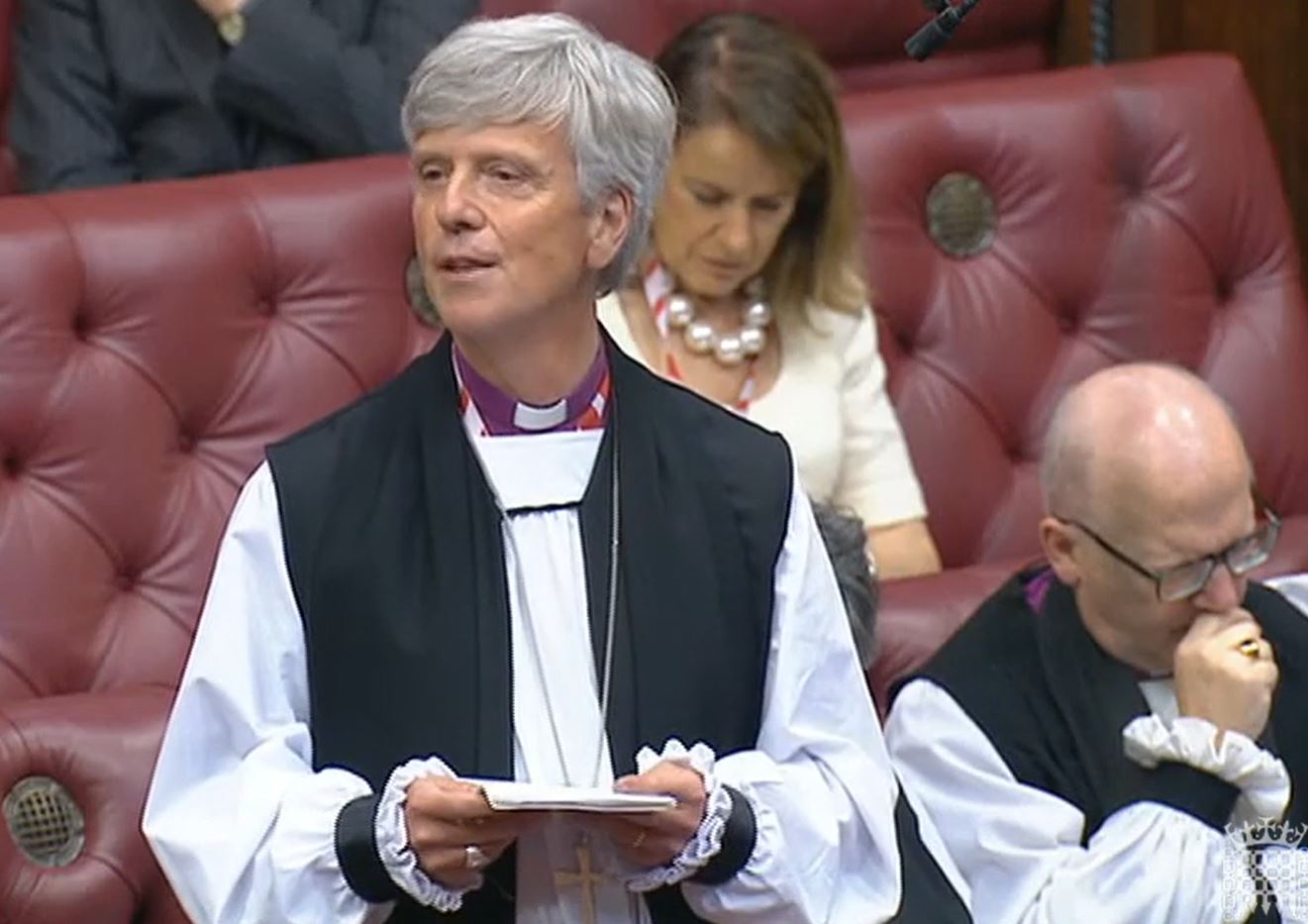
Bishop of Leeds raises need for increased security in the UK and overseas during foreign affairs debate

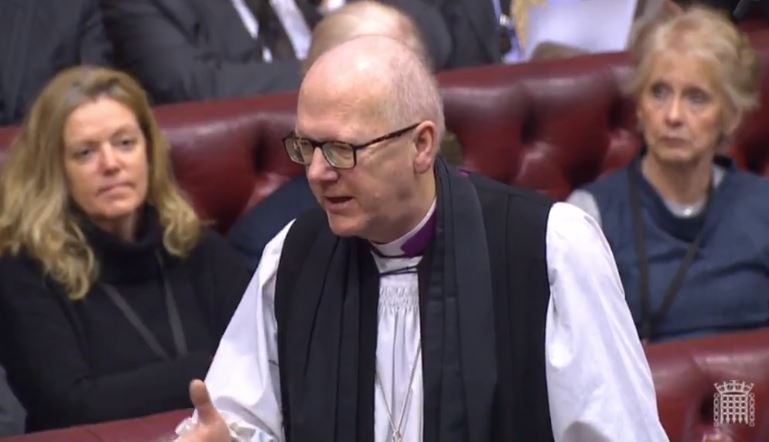
On 5th March 2024, the Bishop of Leeds gave a speech in response to a motion to take note of the UK’s position on foreign affairs, stressing the need for security in the UK and overseas, and making particular mention of the current civil war in Sudan:

The Lord Bishop of Leeds: My Lords, it is a great pleasure to follow the noble Lord, Lord Young. I endorse the comments made by many speakers about the great respect that we have for the noble Lords, Lord Cameron and Lord Ahmad. I note that it is not only the anniversary of the Fulton speech by Winston Churchill but the 71st anniversary of the death of Stalin—even tyrants are mortal.

Foreign policy is domestic policy, and vice versa. What happens in Gaza hits the streets of Leeds; what happens in Kashmir directly affects attitudes and events in Bradford. It is impossible to put foreign and domestic policies in separate compartments, which is why it is vital that the UK does not create a credibility gap when thinking that what we do in London is not noticed beyond these islands.

In the last 10 years, we have seen the absurdity of speaking of our neighbours as if they could not understand us—I witnessed Brexit—and of demanding adherence by Russia, China, Sudan and so on to the rule of law while being ready in this place to drop commitments made by us. I think that three Bills now have come to this House with a cover note saying that the Secretary of State cannot guarantee that our obligations under human rights legislation, for example, are being met. This country has achieved a credibility over decades, especially in the 80 years since the end of World War II, for honest diplomacy and pragmatic integrity. What takes decades to create can disappear in days when that integrity, or at least reputation for integrity, is compromised or questioned.

Continue reading “Bishop of Leeds raises need for increased security in the UK and overseas during foreign affairs debate”

Archbishop of Canterbury calls for peacebuilding to be prioritised in UK foreign policy

The Archbishop of Canterbury gave a speech in response to a motion to take note of the UK’s position on foreign affairs on 5th March 2024, expressing the hope that peacebuilding would be a focus of the government’s foreign policy:

The Lord Archbishop of Canterbury: My Lords, I join in the tributes to the noble Lord, Lord Ahmad, for his opening and his many distinguished years of service—may he continue in his current position—and to the energy that the noble Lord, Lord Cameron, as Secretary of State, has brought to the present process and this debate.

I want to focus, as the noble Baroness, Lady Smith of Newnham, did, on the means rather than the end. Like many noble Lords here, I was in Ukraine three weeks ago—for about a week, in my case—in Kyiv and Odesa. I was there, coincidentally, at the same time as the head of the European foreign service, and we managed, with some of his staff, accidentally to be in the same bomb shelter at the same time, which gives one an opportunity to talk to people. One of the things that came across was the determination of Europe to protect Ukraine from defeat—to support it. However, in conversations with senior politicians in Ukraine, as well as the most senior religious leaders in that very religious country, the question they put was not just what the West intends and what the UK intends—their warm words about the UK were very striking—but what were the means to those ends. You do not win wars by good intentions.

Continue reading “Archbishop of Canterbury calls for peacebuilding to be prioritised in UK foreign policy”

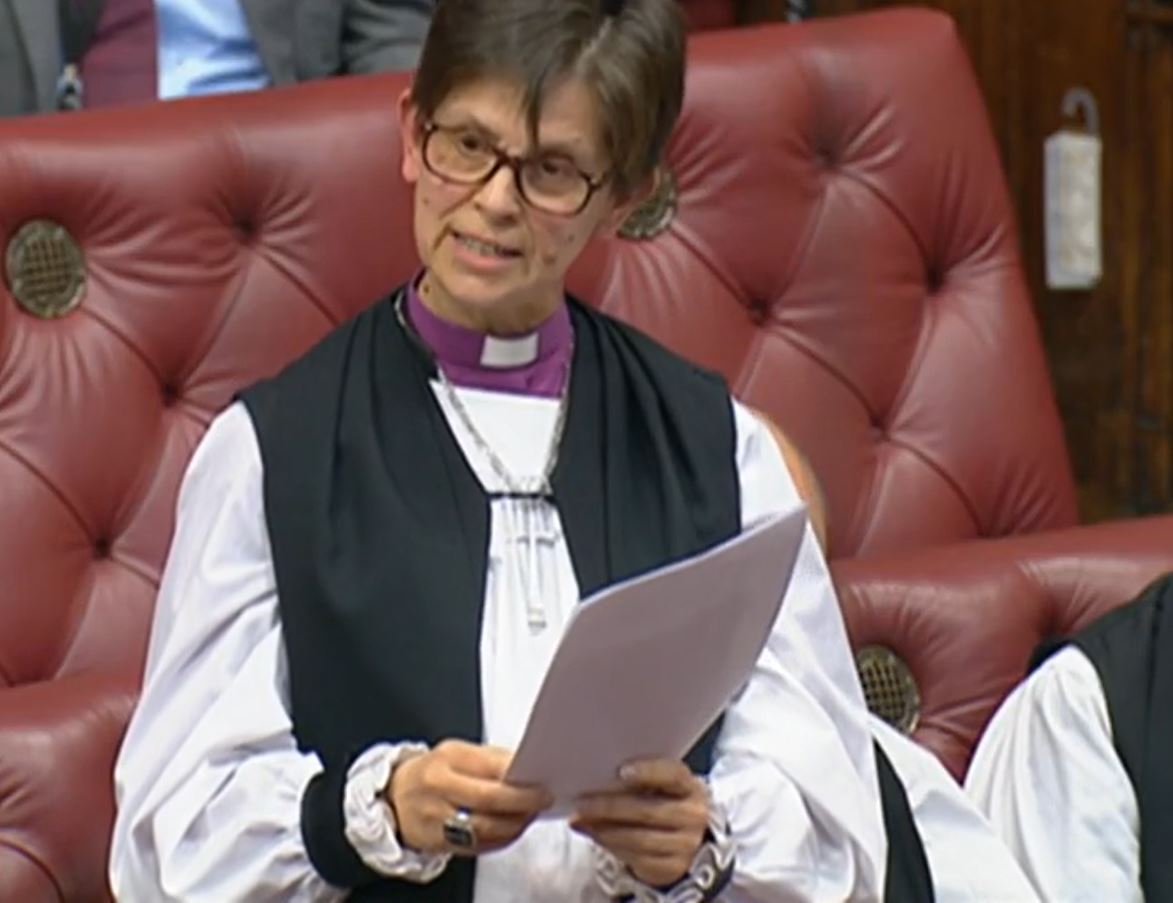
Safety of Rwanda (Asylum and Immigration) Bill: Bishop of Manchester supports amendments on power of the courts

During a debate on the Safety of Rwanda (Asylum and Immigration Bill on 4th March 2024, the Bishop of Manchester spoke in support of amendments 9 and 12 to the bill, tabled by Lord Anderson of Ipswich, which would allow the courts to take new factors into consideration when considering Rwanda’s safety in the future:

The Lord Bishop of Manchester: My Lords, I am grateful to the noble Lord, Lord Anderson of Ipswich, for sponsoring Amendments 9 and 12, to which I have added my name. They take up matters that I and the noble Lord, Lord Carlile, raised in Committee.

Continue reading “Safety of Rwanda (Asylum and Immigration) Bill: Bishop of Manchester supports amendments on power of the courts”

Safety of Rwanda (Asylum and Immigration) Bill: Archbishop of Canterbury supports amendments on rule of law

On 4th March 2024, the Archbishop of Canterbury spoke in a debate on the Safety of Rwanda (Asylum and Immigration) Bill, in support of a group of amendments seeking to ensure compliance with the rule of law in the application of the bill:

The Lord Archbishop of Canterbury: My Lords, at this stage of the debate on this group, we are looking at two distinct things. One is the question of whether Rwanda is safe. If, as the noble Lord just said, it is unquestionably safe, it seems to me that these amendments are not a problem because, at that point, the Secretary of State can easily say, “It’s safe”, and they will have evidence of that, for this and future Governments.

Continue reading “Safety of Rwanda (Asylum and Immigration) Bill: Archbishop of Canterbury supports amendments on rule of law”

Safety of Rwanda (Asylum and Immigration Bill): Bishop of St Edmundsbury and Ipswich supports amendments on modern slavery, right of return, and overall safety

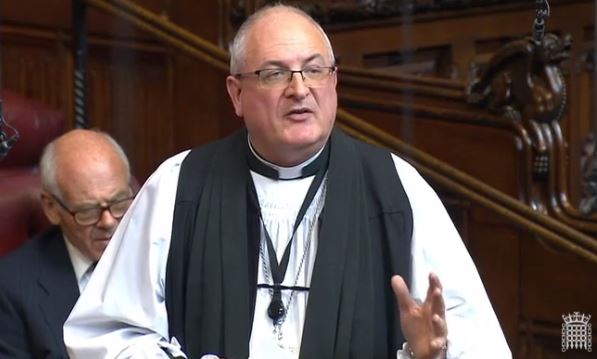
On 4th March 2024, the House of Lords debated the Safety of Rwanda (Asylum and Immigration) Bill in the first day of the report stage. The Bishop of St Edmundsbury & Ipswich spoke in the debate, supporting amendments on assessing Rwanda’s safety, establishing right of return for asylum seekers after relocation, and protection for victims of modern slavery:

The Lord Bishop of St Edmundsbury & Ipswich: My Lords, I shall speak in favour of Amendments 1, 3 and 5 tabled by the noble Baroness, Lady Chakrabarti, to which I have added my name. I do not believe that we can enshrine in law a statement of fact without seeing and understanding the evidence that shows such a statement to be true, in particular when such a statement of fact is so contentious and for which the evidence may change. Ignoring for a second the strange absurdity of such declarations, we must also consider the real impact that this could have on the potentially vulnerable people whom the Government intend to send to Rwanda. As my most reverend friend the Archbishop of Canterbury, who is in his place, said at Second Reading,

Continue reading “Safety of Rwanda (Asylum and Immigration Bill): Bishop of St Edmundsbury and Ipswich supports amendments on modern slavery, right of return, and overall safety”

Schools (Mental Health Professionals) Bill: Bishop of Winchester applauds measures to address mental health issues in young people

The Bishop of Winchester spoke in a debate on the second reading of the Schools (Mental Health Professionals) Bill on 1st March 2024, pointing out the need for a consistent, universally applied policy to improve student mental health, and the need to address the causes of mental health issues at a root level:

The Lord Bishop of Winchester: My Lords, I am grateful to the noble Baroness for bringing this Bill to us for its Second Reading. We indeed face a crisis in this area and need to be aware of the long-term consequences of not addressing it.

The Bill would pave the way for just the kinds of interventions that are sorely needed. The NSPCC and our own Library briefing state that more than 20% of children and young people are living with poor mental health. CAMHS referrals are provided for only the most severe presenting issues, while early intervention, though widely recognised to be key to good long-term outcomes, is now a thing of distant memory. The sobering fact is that children are taking their own lives while they wait to be seen, and that is deeply shameful.

Last summer, the Church of England published the document Our Hope for a Flourishing Schools System, which makes specific mention of mental health, it being the issue school leaders most often raise with us. It states:

“Children’s mental health and wellbeing is prioritised and resourced generously by a society that invests in the long-term future of its nation by placing children first in funding and political direction. The fulfilling of a child’s potential should never be hindered, blocked or prevented by the system in which they find themselves”.

However, those words are, sadly, far from being the current reality.

Continue reading “Schools (Mental Health Professionals) Bill: Bishop of Winchester applauds measures to address mental health issues in young people”

Bishop of Chelmsford takes part in debate on healthcare shortages in Myanmar

The Bishop of Chelmsford spoke in a debate on the reconstruction of the healthcare system in Myanmar on 29th February 2024, highlighting the impact of the humanitarian situation on the health system, and asking what interventions could be provided to address the medical need in the country:

The Lord Bishop of Chelmsford: My Lords, I thank the noble Lord, Lord Crisp, for securing this important debate and for his commitment to raising the profile of this important issue. This time nearly a year ago, the noble Lord asked an Oral Question about health workers in Myanmar in your Lordships’ House. The picture then was stark, but NGOs agree that in the intervening year, the situation has deteriorated further.

As we have heard, 104 health workers have lost their lives and many more have been detained in the three years since the coup. Although I certainly echo the congratulations to the UK Government on a number of impactful training and partnership programmes, it is clear that more needs to be done. We have heard about the appalling attacks on health workers, which have rightly been thoroughly condemned. However, it is important too to consider the broader humanitarian situation and its impact on the country’s health system. I do not personally have any specific connection with Myanmar but, like many others, I have a concern for how this country can play a positive part in places in the world that are suffering humanitarian disasters and injustice.

Continue reading “Bishop of Chelmsford takes part in debate on healthcare shortages in Myanmar”

Bishop of Newcastle speaks in debate on Windrush scandal and ongoing efforts towards racial justice

The Bishop of Newcastle spoke in a debate on the Windrush scandal and subsequent compensation scheme on 29th February 2024, highlighting themes of racial justice in all walks of life and the ongoing work being done in addressing the scandal:

The Lord Bishop of Newcastle: My Lords, I am grateful to the noble Baroness, Lady Benjamin, for securing the opportunity to debate this important topic. I thank the noble Lord, Lord Adebowale, for his speech; it is an honour to follow him and with him I wish to acknowledge and honour those sitting in the Chamber today. I am personally indebted to the noble Baroness, Lady Benjamin, for being an inspiring role model. Being one of her “Play School” babies—I was born in 1973—I grew up with her visibility firmly in my view. However, as a child, and even as a young adult, I had no knowledge of her story or indeed of the narrative of the Windrush generation and the scandal associated with it. She has had an indelible impact on my life and being in her company in this House is a tremendous honour.

In the other place yesterday, a Question was asked about another matter of delay, the infected blood scandal compensation. This, and other areas of concern, such as Grenfell and the Post Office, mean that we have a tapestry of issues with recurring themes of redress, compensation and delay. Yet these are not just issues; they are about lives and they are about justice. I must note the disparity in processes that the noble Lord just mentioned.

Continue reading “Bishop of Newcastle speaks in debate on Windrush scandal and ongoing efforts towards racial justice”

Bishop of Chelmsford tables question for debate on long term national housing strategy

On 29th February 2024, the Bishop of Chelmsford led a grand committee debate on the delivery of a long term national housing strategy, calling for commitment to improving housing on a cross party basis, and a clear vision of what good housing looks like:

The Lord Bishop of Chelmsford: To ask His Majesty’s Government what plans they have to promote a long-term national housing strategy, and to seek cross-party support to ensure its effective delivery.

My Lords, it is a great privilege to open this debate and I am grateful to all noble Lords who have signed up to speak. I look forward to hearing from the great wealth of expertise and experience.

We are in the midst of a housing crisis. For too many people in the UK, home is not a place of safety and security but somewhere expensive or temporary, insecure or unhealthy. There are 140,000 children living in temporary accommodation, 1.2 million households on waiting lists for social homes, and numerous young professionals consigned to be part of “generation rent”. Inadequate housing has knock-on effects throughout a person’s life: on their education, their mental and physical well-being, their relationships and their ability to put down roots. It does not have to be like this. It is worth restating that decent housing is one of the basic essentials for a fulfilled and healthy life, yet we have some of the poorest quality housing in Europe. We can do better than the current system—indeed, we must do better.

Continue reading “Bishop of Chelmsford tables question for debate on long term national housing strategy”