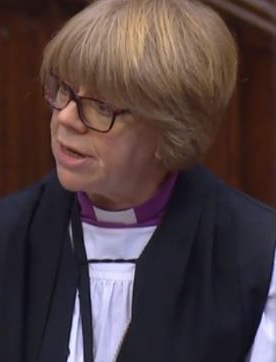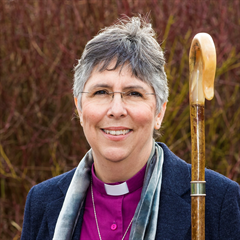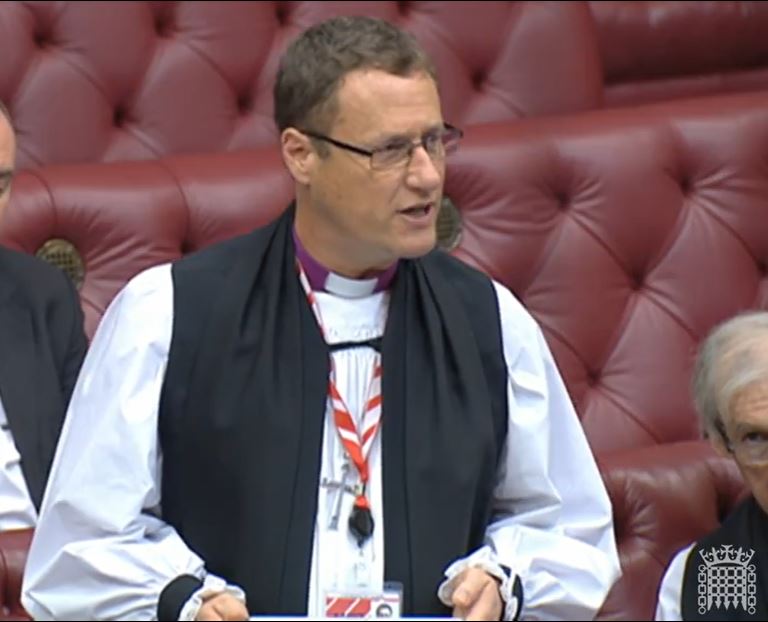
Bishop of Chichester asks about historic churchyards

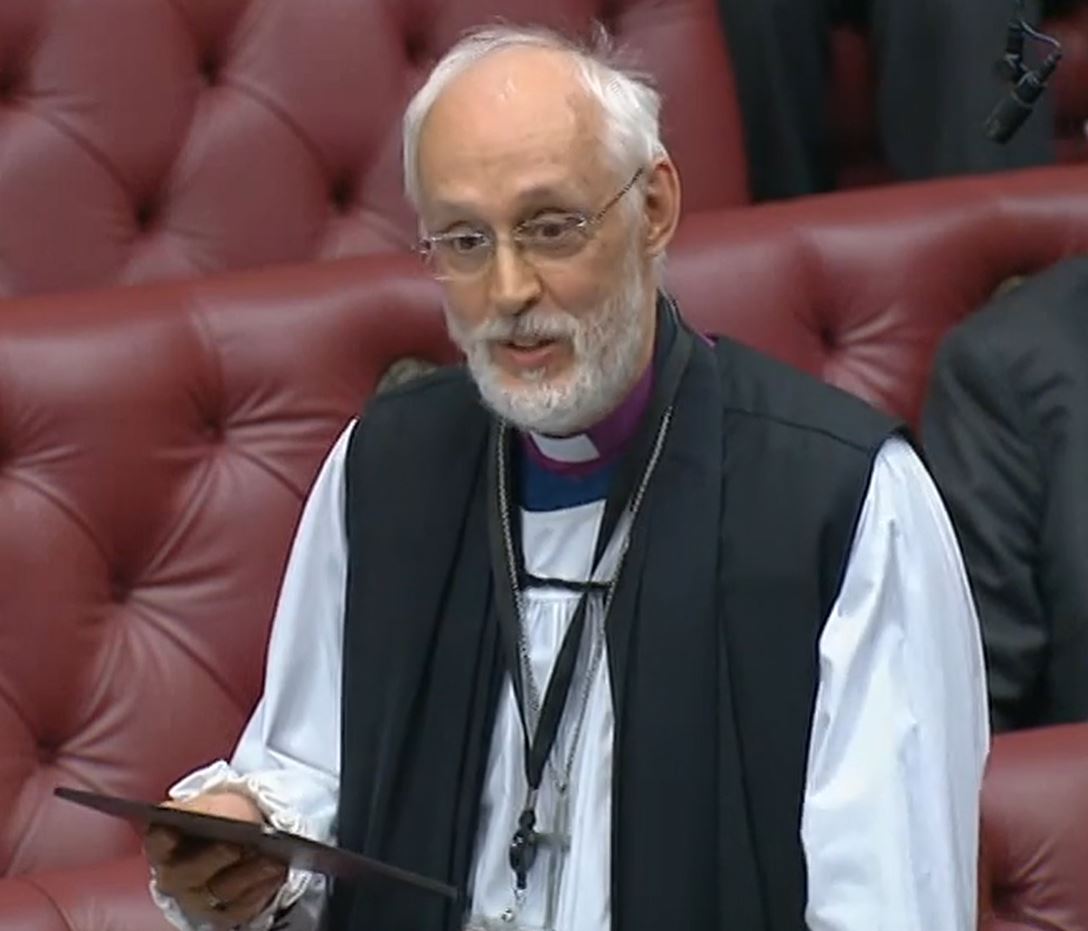
The Bishop of Chichester asked a question on the care and preservation of historic churchyards during a discussion on burial provision in England and Wales on 22nd April 2026:

The Lord Bishop of Chichester: The Church of England has a responsibility and common-law duty to bury all members of a parish living within its boundaries in a churchyard according to the rites of the Church of England and, if it does not have a churchyard, it is dependent on municipal provision. So we have an interest in this. One of the things this says to us is the importance to all people of faith of their rites of burial. We in the Church of England want to promote that strongly. Following the Law Commission report, would the Minister be willing to speak with the Faith and Public Life department of the Church of England to look at historic churchyards under our care and how they are preserved, at what provision currently exists within our open churchyards and how that can be sustained and monitored, and at what scope there might be for opening and consecrating new churchyards?

Continue reading “Bishop of Chichester asks about historic churchyards”

Votes: Children’s Wellbeing and Schools Bill

On 20th April 2026, the House of Lords debated the Children’s Wellbeing and Schools Bill. Votes were held on amendments to the bill, in which Bishops took part.

Continue reading “Votes: Children’s Wellbeing and Schools Bill”

Bishop of Manchester highlights role of faith communities in civil preparedness

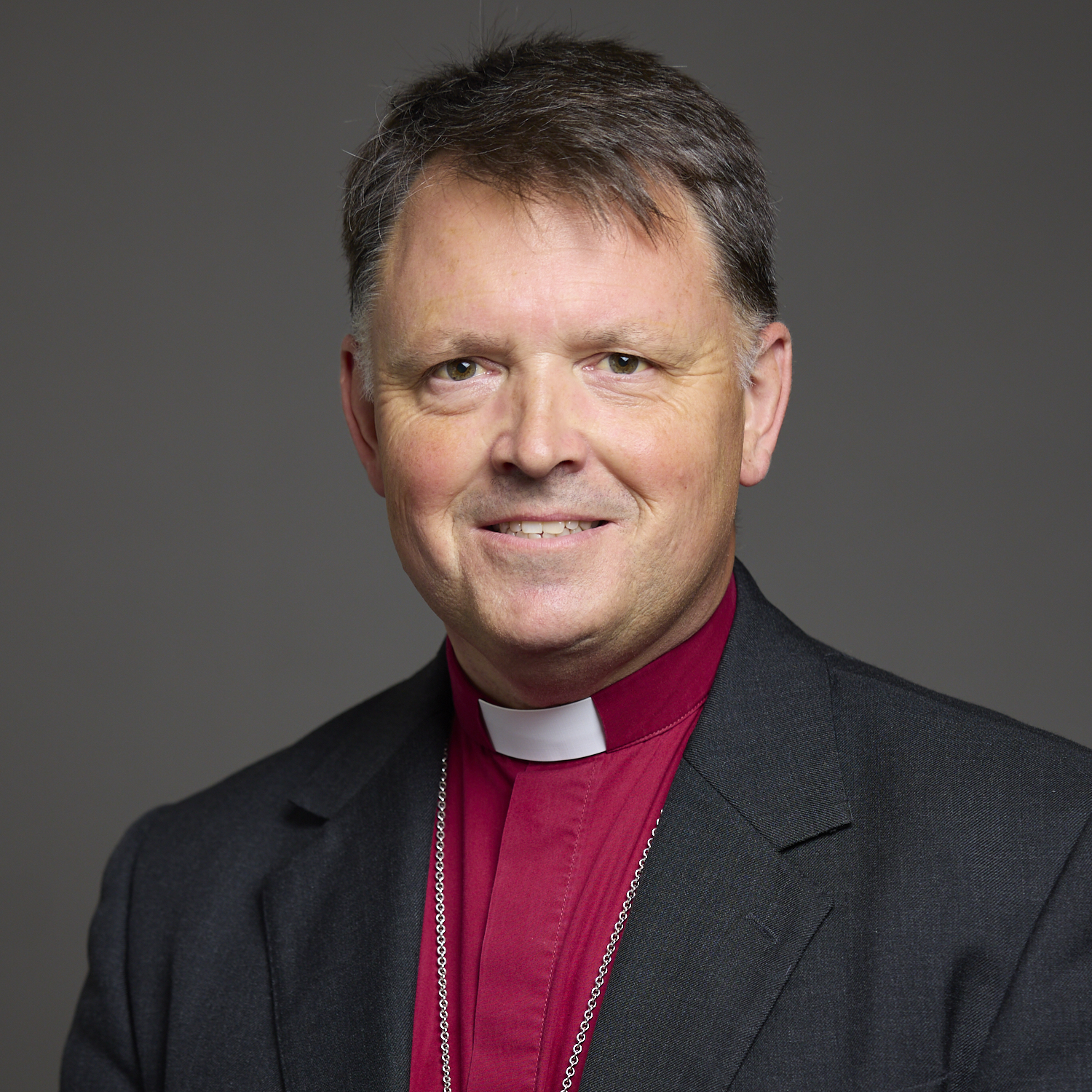
The Bishop of Manchester spoke in a debate on civil preparedness on 20th April 2026, speaking on the role of faith groups and the importance of civil liberties:

My Lords, I share the gratitude already expressed to the noble Baroness, Lady Harris of Richmond, for securing this debate. In the short time available I will make just three brief observations, and I assure the Minister that none of them would lead to much expense.

First, on faith communities, I applaud that documents often refer to faith communities, but sometimes we appear to be wrapped up into a generic voluntary, community and faith sector. Faith groups are not just another example of voluntary or community activity; their reach goes much deeper into every corner of society. Their numbers far outweigh other bodies. They have different decision-making structures and are often networked in complex but effective ways, and many have significant links to the memberships of international bodies.

Our faith groups can and will have a major role to play in any situation that requires civil engagement and response, but that requires them to be seen as what they are, not lumped into a more convenient category. I am very grateful in my own diocese that the Greater Manchester Combined Authority fully recognises that distinctiveness. Having a very informed and supportive mayor means that we are recognised for who we are, and I believe that we make a major contribution already to civil society, as we could in terms of preparedness for a war situation.

Continue reading “Bishop of Manchester highlights role of faith communities in civil preparedness”

Bishop of Chester speaks in debate on civil preparedness for conflict

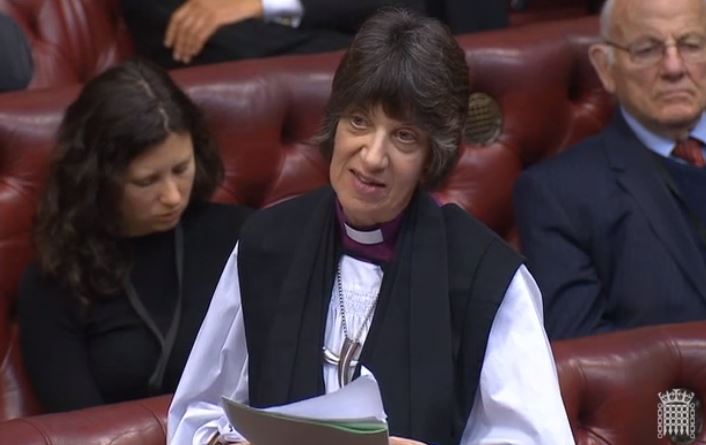
The Bishop of Chester spoke in a debate on civil preparedness for war, stressing the need to rebuild trust and social support in society on 20th April 2026:

The Lord Bishop of Chester: My Lords, I add my gratitude to the noble Baroness, Lady Harris, for bringing this vital Question forward, and I declare my interest, having served for a brief while in chaplaincy in our Armed Forces. Both the SDR and the 2025 resilience action plan raise this whole-of-society approach as a “fundamental element” of our national security. We have heard comparisons with the Nordic states. I would also draw comparisons with such countries as Ukraine and Taiwan, except the difference is that social inequality is far greater in this nation.

I had intended to make some erudite points about faith communities, which are brought in by the resilience action plan—I am sure that my right reverend friend the Bishop of Manchester will make them far more eloquently than I could—but I was hijacked by an accidental focus group that I found myself conducting over the weekend. As I discussed this matter with my nieces, nephews and godchildren—a group of highly intelligent 18 to 27 year-old adults—some clear and, for me, shocking themes emerged.

Continue reading “Bishop of Chester speaks in debate on civil preparedness for conflict”

Bishop of Manchester asks about supporting small charities

The Bishop of Manchester asked a question on support for small charities on 20th April 2026:

The Lord Bishop of Manchester: My Lords, I particularly welcome the Minister’s earlier response referring to place-based donations. Many local charities are quite small, and small charities are the most vulnerable. Can the Minister give us more of an indication as to how small charities can be supported? They are the ones which are most in touch with their local communities and most likely to go to the wall if donations are falling.

Continue reading “Bishop of Manchester asks about supporting small charities”

Votes: Crime and Policing Bill

On 16th April 2026, the House of Lords debated the Crime and Policing Bill. Votes were held on amendments to the bill, in which a Bishop took part.

Continue reading “Votes: Crime and Policing Bill”

Bishop of Southwark asks about community resilience planning

The Bishop of Southwark asked a question on inclusion of religious groups in planning for Local Resilience Forums on 16th April 2026:  

The Lord Bishop of Southwark: My Lords, guidance on emergency preparedness issued under the Civil Contingencies Act to the emergency responders who make up local resilience forums includes reference in chapter 14 to use of the voluntary sector. This is often assumed to be where the service provided is wholly or largely relevant to an emergency, such as that offered by Mountain Rescue, Samaritans or the Salvation Army. However, I notice that one local authority listed as an example of best practice includes the use of religious groups, presumably because of buildings and other services that they can provide. Might the Minister consider whether this warrants a discreet but distinct reference in a revision of the guidance?

Continue reading “Bishop of Southwark asks about community resilience planning”

Church Commissioners Questions: Christians in Palestine, Children and Young People, Project Spire, Extremism, Child Poverty, Places of Worship Renewal Fund, Listed Places of Worship Grant Scheme, Archbishop of Canterbury, Small Churches

In the House of Commons, Marsha De Cordova MP, the Second Church Estates Commissioner, gave answers to the following questions from MPs on 16th April 2026:

Christians in Palestine

Kate Osamor MP (Lab, Edmonton & Winchmore Hill) asked: 1. What steps the Church of England is taking to support Christians in Palestine.

Marsha De Cordova MP (Lab, Battersea): The Church remains steadfast in its support for Palestinians. The Bishops of Southwark, Gloucester, Chelmsford and Norwich have publicly highlighted their concerns by condemning the increased settler violence and calling for the reopening of holy places. They have joined His Holiness the Pope and the local heads of Churches, who have called for the protection of innocent civilians. They are offering sanctuary, working for peace and reconciliation, and building intercommunity trust.

Continue reading “Church Commissioners Questions: Christians in Palestine, Children and Young People, Project Spire, Extremism, Child Poverty, Places of Worship Renewal Fund, Listed Places of Worship Grant Scheme, Archbishop of Canterbury, Small Churches”

Votes: Victims and Courts Bill

On 15th April 2026, the House of Lords debated amendments to the Victims and Courts Bill. Votes were held on these amendments, in which a Bishop took part:

Continue reading “Votes: Victims and Courts Bill”

Bishop of Southwark asks about political situation in Zimbabwe

The Bishop of Southwark asked a question on the reaction of neighbouring states to changes to the Zimbabwean constitution that would allow the current President to stand for a third term in office on 15th April 2026:

The Lord Bishop of Southwark: My Lords, as I have said on previous occasions, my diocese of Southwark is linked with four of the five Anglican dioceses in Zimbabwe, and I have visited our link dioceses on many occasions. I note that the Zimbabwe Council of Churches has called this week for the withdrawal or amendment of the Bill currently before the Zimbabwean parliament. Would the Minister advise the House what the reaction has been of neighbouring states to this latest development in the governance of Zimbabwe and its wonderful people, so poorly served by those currently in power?

Continue reading “Bishop of Southwark asks about political situation in Zimbabwe”