
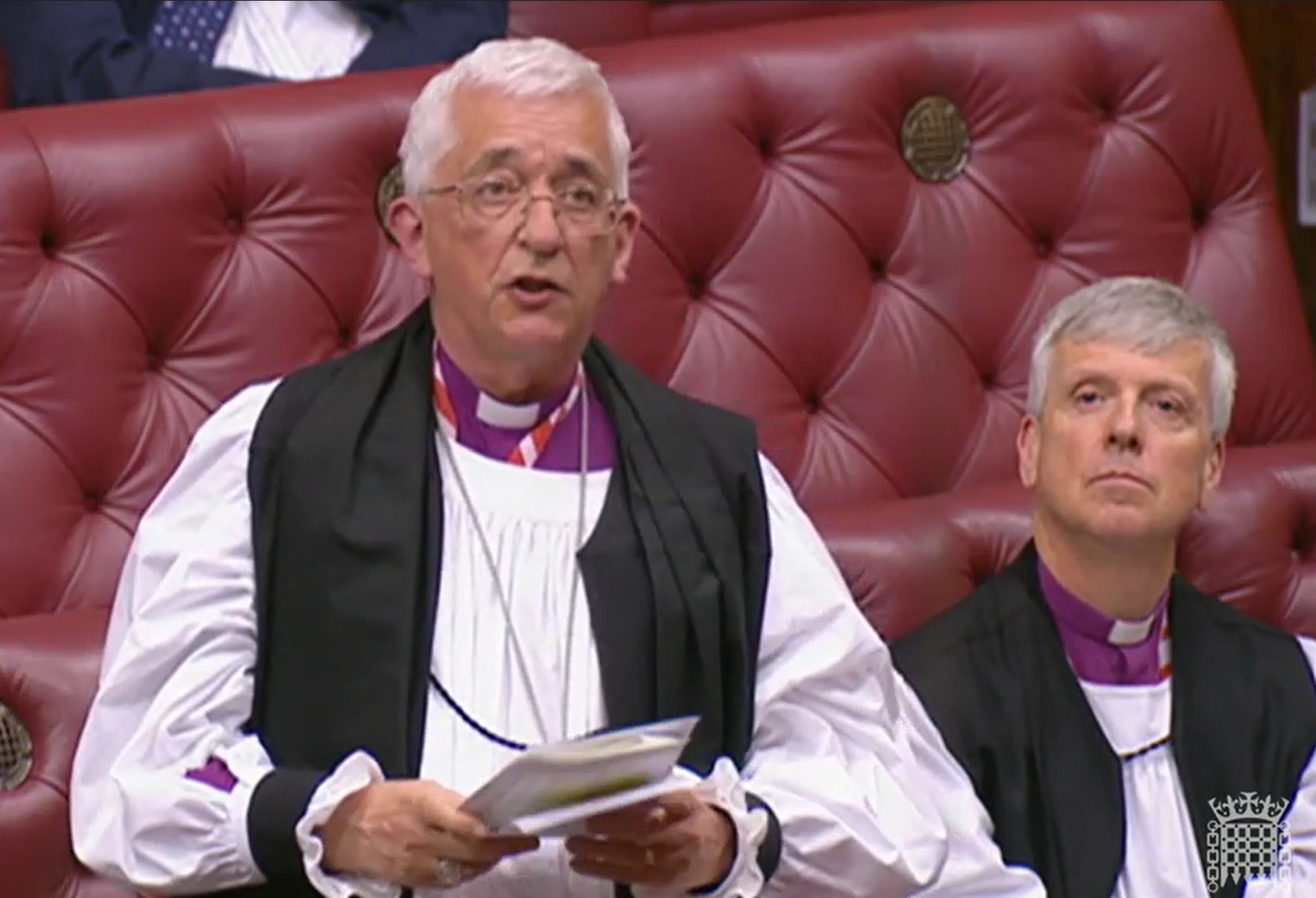
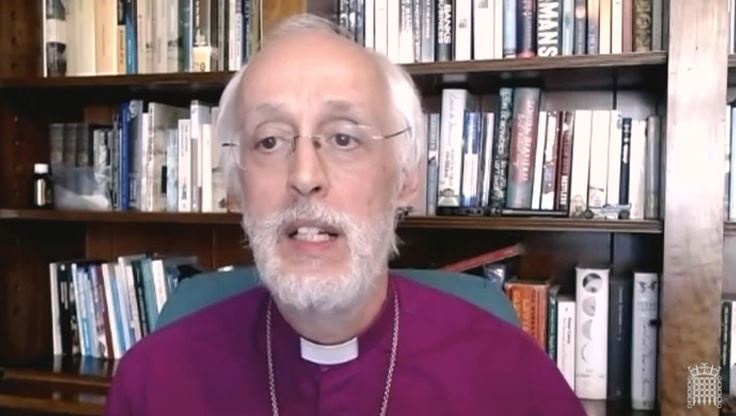
The Bishop of Lichfield asked a question on antisemitism in the UK, attitudes to the situation in Israel/Palestine, and interfaith engagement on 26th March 2026:
The Lord Bishop of Lichfield: My Lords, as noble Lords have said, we should all be deeply concerned by the resurgence of antisemitism around the world. We must all unequivocally condemn the sickening recent incidents in our own country. The definition of antisemitism agreed by the International Holocaust Remembrance Alliance is widely, though not universally, accepted, including by our own Government. It has also been adopted by the Church of England. Attached to that definition is a list of 11 possible examples of contemporary antisemitism, of which seven reference attitudes to the State of Israel. Would the Minister agree that one-sided, simplistic or inaccurate accounts of what is a complex and contested situation in Israel-Palestine can fuel the growth of antisemitism and other forms of religious hatred, including in our own country? If so, what support are His Majesty’s Government able to give to interfaith organisations that seek to present more balanced views and to encourage dialogue and learning around these difficult issues?
Continue reading “Bishop of Lichfield asks about support for interfaith work and combatting antisemitism”
 On 4th November 2019 Lord Leigh of Hurley asked the Government “how many universities in England have adopted the International Holocaust Remembrance Alliance definition of anti-Semitism; and what steps they intend to take in respect of those which have not”. The Archbishop of Canterbury, Most Revd and Rt Hon Justin Welby, asked a follow-up question:
 The Church of England in Parliament
You must be logged in to post a comment.