
On 6th July 2023, during a debate on the Online Safety Bill, The Bishop of Oxford spoke in support of a group of amendments to the bill focusing on the development of artificial intelligence, whilst raising concerns about whether the bill was sufficiently future proofed given the rapid movement of technology:
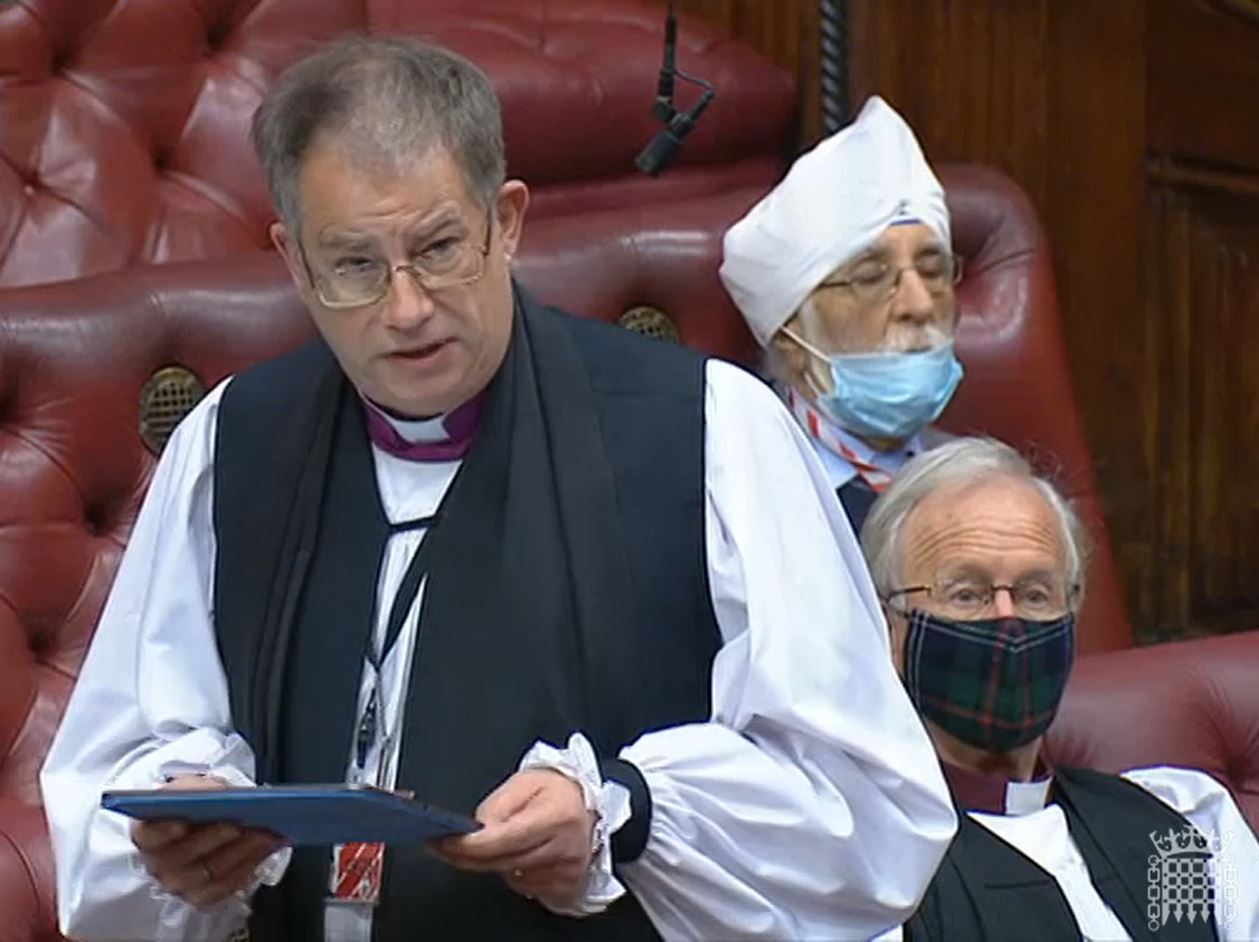
The Lord Bishop of Oxford: My Lords, I warmly welcome this group of amendments. I am very grateful to the Government for a number of amendments that they are bringing forward at this stage. I want to support this group of amendments, which are clearly all about navigating forward and future-proofing the Bill in the context of the very rapid development of artificial intelligence and other technologies. In responding to this group of amendments, will the Minister say whether he is now content that the Bill is sufficiently future-proofed, given the hugely rapid development of technology, and whether he believes that Ofcom now has sufficient powers to risk assess for the future and respond, supposing that there were further parallel developments in generative AI such as we have seen over the past year?
Continue reading “Online Safety Bill: Bishop of Oxford welcomes amendments on artificial intelligence, stresses importance of future-proofing”

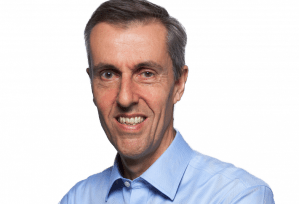 On 13th February 2020 the Second Church Estates Commissioner, Andrew Selous MP, answered written questions from Jim Shannon MP, on carbon emissions, religious freedom, strategic development funding, church planting, green investments, the Democratic Republic of Congo and South Sudan, the Primates’ Meeting, new technologies, marriage and family life.
 The Lord Bishop of Oxford: My Lords, I declare an interest as a board member of the CDEI and a member of the Ada Lovelace Institute’s new Rethinking Data project. I am also a graduate of the AI Select Committee. I am grateful to the noble Lord, Lord Clement-Jones, for this important debate.
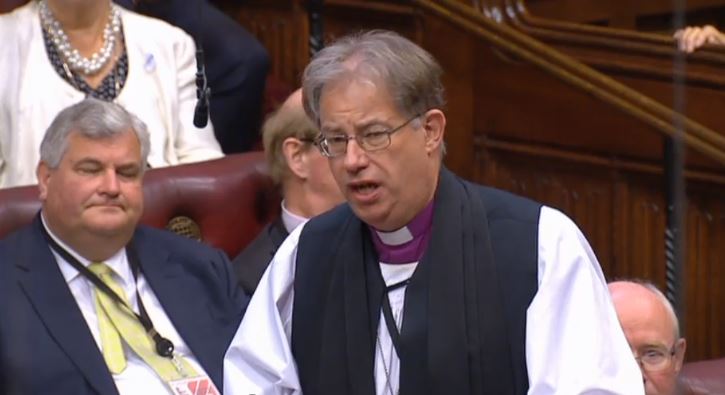 The Lord Bishop of Oxford: My Lords, I too welcome this debate and thank the noble Lord, Lord Bird, very warmly for bringing it. I welcome his proposals. As the noble Lord, Lord Layard, said, the foundation is a moral and ethical case. That moral case has shifted in recent years because of the realisation of the effects of the Anthropocene era. Humanity’s effect on the environment means that the interests of not just the next generation but every generation beyond that need to be protected in our policy-making and debate.
 The Church of England in Parliament
You must be logged in to post a comment.