On 21st April 2016 the House of Lords debated a motion from Lord Best, Chair of the Lords Communications Committee, “That this House takes note of the report from the Communications Committee BBC Charter Review: Reith not Revolution (1st Report, HL Paper 96).” The Bishop of Chelmsford, Rt Revd Stephen Cottrell, who is a member of the Committee spoke in the debate:
 The Lord Bishop of Chelmsford: My Lords, I too speak as a member of the Select Committee that produced this report. I must declare an interest as a co-chair of the multi-faith standing conference of the BBC on religion and ethics, and related to that work I want to talk about the place of faith in public service broadcasting, and indeed to speak for all the faith communities in these islands.
It has been said that if a mission statement is more than two or three words long, it either means that the organisation does not really know its purpose, or even if it does, no one else will. Let me give a few examples: glasnost, girl power, flower power, New Labour and the big society; I will not go on. Consequently, if a mission statement is going to work, it has to be pithy and memorable. Lord Reith’s “inform, educate and entertain” does the job, and has done it very effectively for a long time—everyone knows it.When the last charter renewal process landed the BBC with six rather wordy and worthy public purposes, it was not necessarily doing it a favour. Continue reading “Bishop of Chelmsford says BBC services need to reflect religious and community life of the nation”

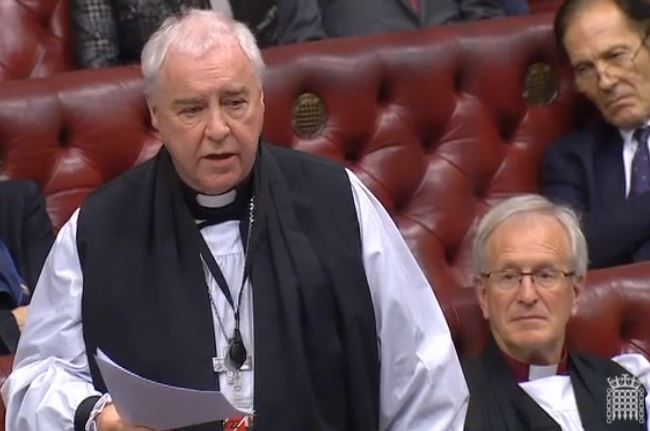
 The Lord Bishop of Salisbury: My Lords, the timing of this debate could hardly be better. I also want to thank the noble Lord, Lord Young, for his introduction. The Media and Telecoms 2020 & Beyond conference and the Culture Secretary’s contribution to it inevitably inform a lot of what is to be said. I also wondered whether I need to declare an interest, having been the vicar of St Martin-in-the-Fields for 16 years, given that the first religious service ever broadcast came from there, by the BBC, in January 1924. The link continues. I never made much income from it, but it is a significant relationship with considerable affection for the BBC built into it.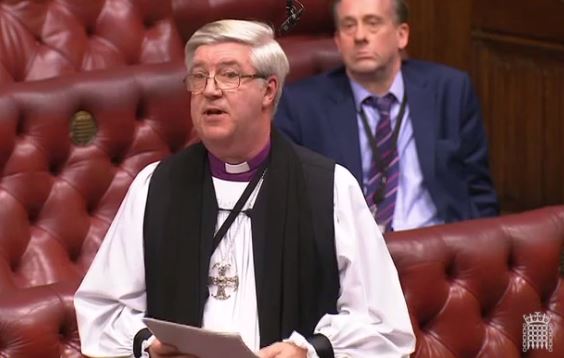
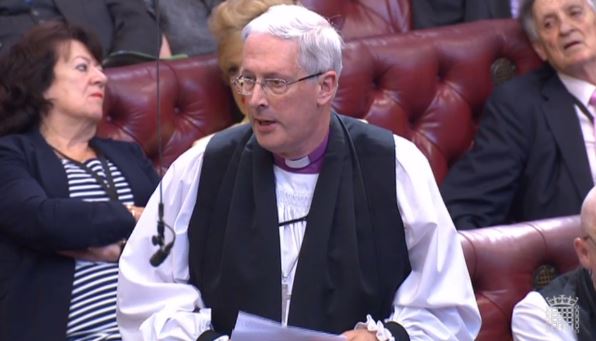
 The Lord Bishop of Leeds: My Lords, the BBC has three core purposes: to inform, to educate and to entertain. Will the Minister comment on a fourth purpose, which is to interpret? Diversity has been perceived in terms of regional diversity when one could also say that ethnic and religious diversity in the country need to be taken more seriously. Religion is a primary motivator of individuals and communities, inspiring and informing their political, economic, ethical and social behaviour.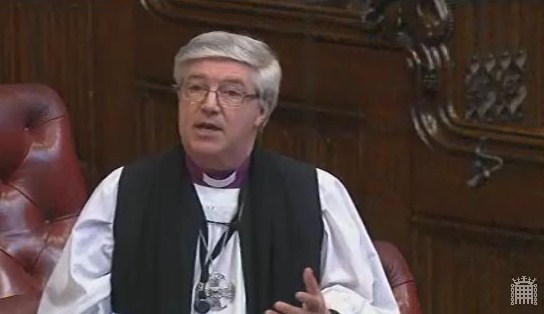
 The Church of England in Parliament
You must be logged in to post a comment.