Vaccines for developing world, poverty in the pandemic, devolution and Ethiopia  

In the House of Lords on 14th January 2021 the Bishop of St Albans received written answers to questions on vaccines for developing countries and the situation in the Tigray region of Ethiopia while the Bishop of Durham received answers to questions on the recent updated report by the Child Poverty Action Group and the Church of England on Poverty in the pandemic.
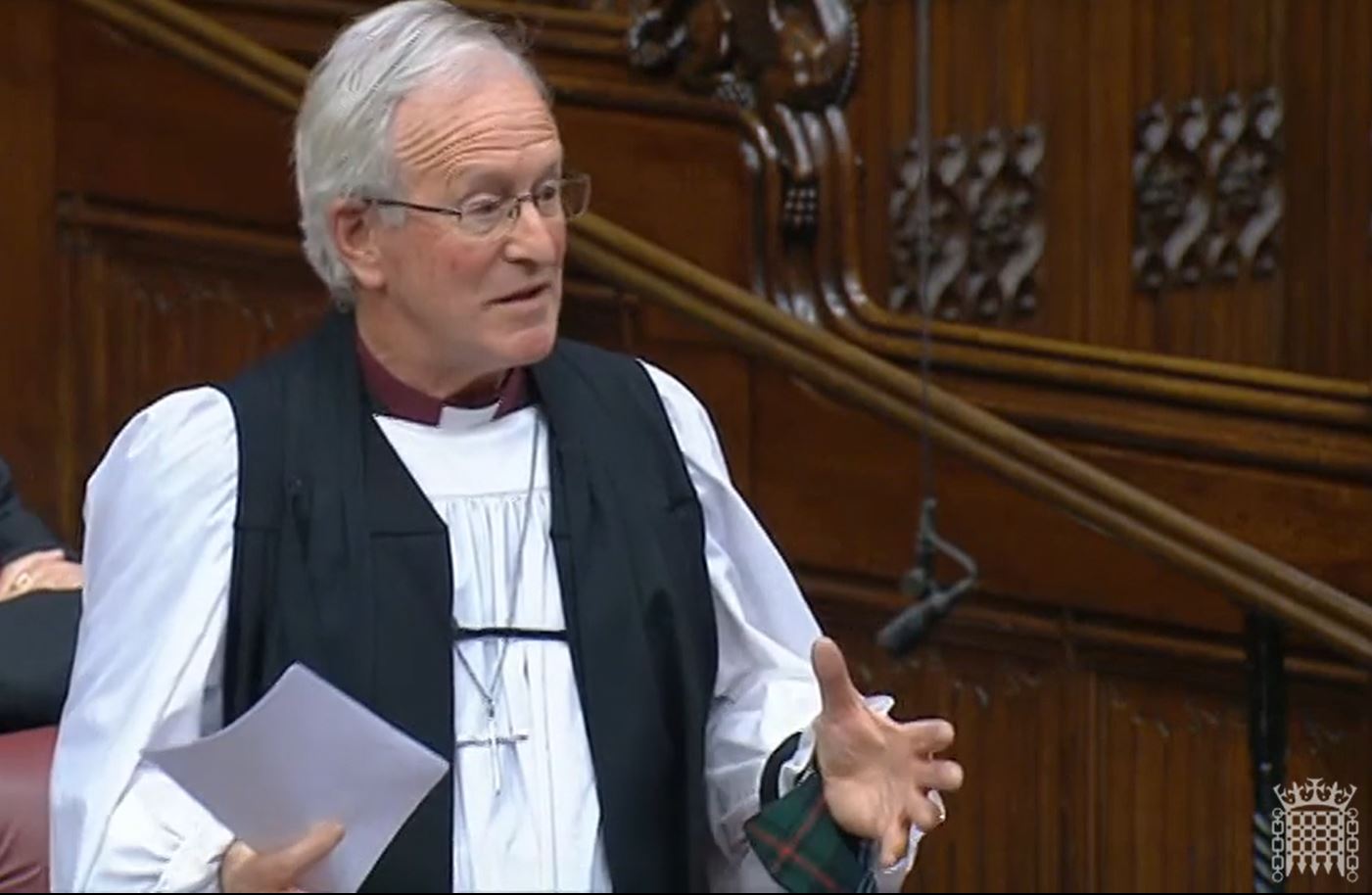
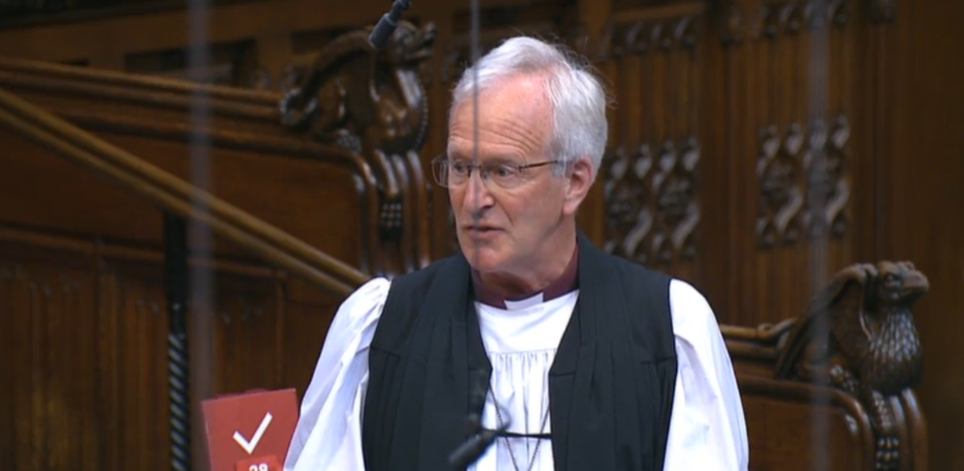
Meanwhile in the Chamber, the Bishop of Birmingham raised the issue of devolution in England with the Government during Lord Young’s Oral question about the formation of a Constitution, Democracy and Human Rights Commission. Text below:

Continue reading “Vaccines for developing world, poverty in the pandemic, devolution and Ethiopia  “
Votes: Covert Human Intelligence Sources (Criminal Conduct) Bill

On 13th January 2021, the House of Lords debated amendments to the Covert Human Intelligence Sources (Criminal Conduct) Bill. Votes were held on the amendments, in which Bishops took part:

Continue reading “Votes: Covert Human Intelligence Sources (Criminal Conduct) Bill”

Bishop of Birmingham asks about impact of economic pandemic recovery

On 12th January 2021, the Bishop of Birmingham asked a question on the future impact of economic recovery from the COVID-19 Pandemic:

The Lord Bishop of Birmingham [V]: I am grateful for the much-appreciated provisions made by the Chancellor so far in this extreme crisis and for his honesty in outlining the significant harm already caused to the economy by the pandemic. Will the Minister reassure the House that, following these emergency measures, many of which have been outlined just now, there are plans and policies already being formed for a recovery? Would he indicate some of the economic and social principles that the Government will be applying in leading the recovery? In addition to the question from the noble Lord, Lord Balfe, will the inevitable need to rebalance the public finances not unfairly burden the poorest?

Continue reading “Bishop of Birmingham asks about impact of economic pandemic recovery”

House of Lords approves Church of England Channel Islands Measure

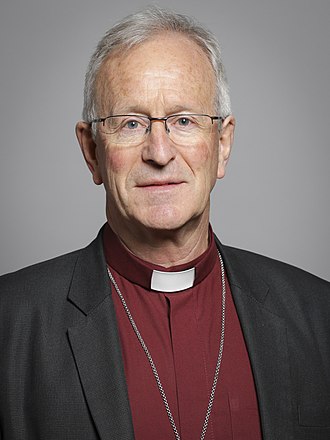
On 15th July 2020 the House of Lords approved a Motion to pass for Royal Assent the Church of England Channel Island Measure, which was introduced by the Bishop of Birmingham, Rt Revd David Urquhart. The full debate is below.

Channel Islands Measure

Motion to Direct

Moved by The Lord Bishop of Birmingham:

That this House do direct that, in accordance with the Church of England Assembly (Powers) Act 1919, the Channel Islands Measure be presented to Her Majesty for the Royal Assent.

The Lord Bishop of Birmingham: My Lords, I shall give some brief historical and current background to the Channel Islands Measure, then outline its content.

Until the 16th century, the Channel Islands were part of the Church of France and the diocese of Coutances. In 1496, Henry VII obtained a papal bull transferring the islands to the English diocese of Salisbury, but it seems this was not put into effect. The islands finally became part of the Church of England in 1569, when they were transferred to the diocese of Winchester by Order in Council of Elizabeth I. Since then, the Church of England has been the established Church of the islands.​ Continue reading “House of Lords approves Church of England Channel Islands Measure”

Bishop of Birmingham asks Government about relocation of the House of Lords

On 14th July Lord Young of Cookham asked Her Majesty’s Government “whether they plan to relocate the House of Lords to York.” The Rt Revd David Urquhart, Bishop of Birmingham, asked a follow up question focusing on the relocation of the House of Lords.

The Lord Bishop of Birmingham: Does the Minister agree that, whether temporarily or permanently, it is better, in a bicameral system, as the noble Lord, Lord Lang, alluded to, for the two Houses to be placed together? In terms of reaching the people, would he also commend the Lord Speaker’s outreach programme to bring civic duties and understanding to schools as a good way of communicating? By the way, when this was last talked about here, the incoming Archbishop of York offered his garden, which is extensive, as a place. May I humbly suggest that there is a nearer alternative in Birmingham?

Continue reading “Bishop of Birmingham asks Government about relocation of the House of Lords”

Bishop of Birmingham asks Government about supply chains for all UK imports

On 14th July Lord Haskel asked Her Majesty’s Government “whether clauses (1) protecting human rights, and (2) maintaining environmental standards, will be inserted in the trade agreements being negotiated as a result of the United Kingdom’s departure from the European Union.” The Rt Revd David Urquhart, Bishop of Birmingham, asked a follow up question focusing on good working conditions.

The Lord Bishop of Birmingham: My Lords, just this week we have heard reports of poor working conditions and pay in factories in Leicester, but the UK is also heavily reliant on international supply chains. Will the Minister specify what steps the Government are taking to ensure that trade agreements insist that all UK imports are produced by workers with good conditions and dignified pay?

Continue reading “Bishop of Birmingham asks Government about supply chains for all UK imports”

Bishop of Birmingham asks Government about mineral supplies for green industries

On 6th July, the Rt Revd David Urquhart, Bishop of Birmingham, received a written answer on two questions from Lord Callanan.

The Lord Bishop of Birmingham: HL6040 To ask Her Majesty’s Government what plans are in place to ensure the UK’s continued access to critical minerals on the international market up to, and following, 31 December.

The Lord Bishop of Birmingham: HL6041 To ask Her Majesty’s Government what assessment they have made of the growth of UK-based green industries and the resultant need for high levels of critical mineral supplies.

Continue reading “Bishop of Birmingham asks Government about mineral supplies for green industries”

Votes: EU (Withdrawal Agreement) Bill – Proof of settled status for EU citizens

On 20th January 2020 the House of Lords voted on amendments to the Government’s EU (Withdrawal Agreement) Bill. The Bishop of Birmingham voted on an amendment from Lord Oates to allow EU citizens covered by the settled status scheme to have the right to a physical form of proof of status. Continue reading “Votes: EU (Withdrawal Agreement) Bill – Proof of settled status for EU citizens”

Vote – European Union (Withdrawal) (No. 6) Bill

House of Lords Division Lobby

On 6th September 2019 the House of Lords considered the European Union (Withdrawal) (No. 6) Bill at its Committee, Report and 3rd Reading stages. Three bishops voted against an amendment to the Bill that was tabled by Conservative Peer Lord True, which would have delayed the implementation of the Act until after a General Election had been held. Continue reading “Vote – European Union (Withdrawal) (No. 6) Bill”

Votes: Motion to suspend usual procedures to enable consideration of European Union (Withdrawal) (No. 6) Bill

Lords voting Lobby
House of Lords Division Lobby

On 4th September 2019 the House of Lords considered a motion from the Leader of the Opposition to suspend the usual procedures for the taking of a Bill, in order to enable the House to take all stages of the European Union (Withdrawal) (Number 6) Bill 2017-19 on Thursday and Friday of that week.

A series of amendments were tabled to that motion by those objecting to that procedural change and those who disagreed with the Bill, which had been passed by MPs that day and would require Government to seek an extension of the Article 50 period for the UK to leave the EU.

A series of votes took place throughout the day and late into the night on the amendments tabled and also to bring an end to speeches by Members that were considered attempts to filibuster. A number of bishops took part in those votes, largely on the side of those Peers wishing to see the procedural changes made, and to ensure business could progress.

The House eventually passed the motion after agreement was reached between Government and Opposition parties. Details follow: Continue reading “Votes: Motion to suspend usual procedures to enable consideration of European Union (Withdrawal) (No. 6) Bill”