On 23rd April 2026, the House of Lords debated the English Devolution and Community Empowerment Bill. Votes were held on amendments to the bill, in which a Bishop took part:

On 23rd April 2026, the House of Lords debated the English Devolution and Community Empowerment Bill. Votes were held on amendments to the bill, in which a Bishop took part:
On 13th April 2026, the House of Lords debated the English Devolution and Community Empowerment Bill. Votes were held on amendments to the bill, in which a Bishop took part:
Continue reading “Votes: English Devolution and Community Empowerment Bill”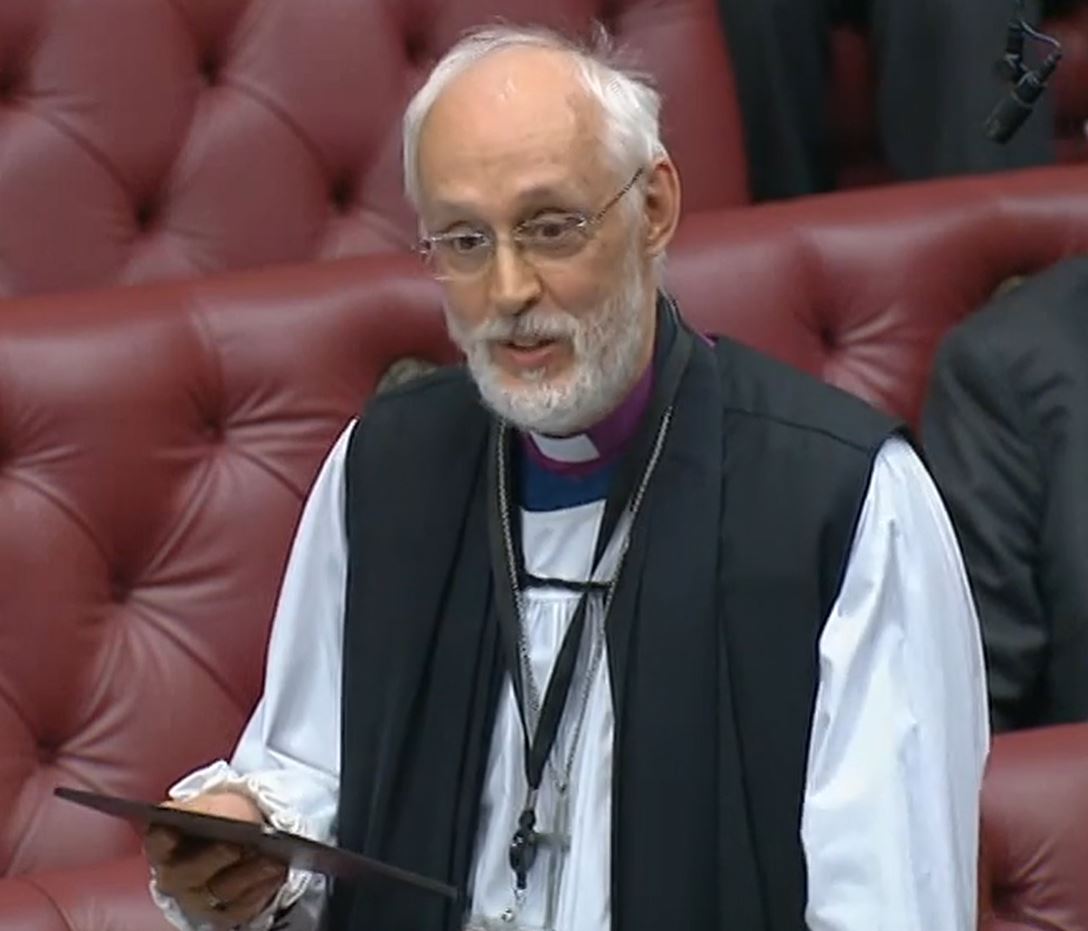
The Bishop of Manchester spoke in support of amendments on the topic of community rights during a debate on the English Devolution and Community Empowerment Bill on 26th March 2026:
The Lord Bishop of Manchester: My Lords, I think I have been cued in. I will speak to my Amendment 318A as—yes, still—the Bishop of Manchester. There is a vacancy in London, but I think I am too old to be considered.
Over the last 18 months, I have been chairing the Manchester Social Housing Commission. Central to our work has been the contributions that local residents and communities representing their neighbourhoods make to our thinking and, eventually, our recommendations. We have seen how empowered communities make a real difference. They are the people who know what it is like to live where they do. They can shape local services for the best results.
Far from being a problem for authorities to manage, communities continually demonstrate how they respond to the cost of living crisis or the epidemic of loneliness. People in communities are vital in driving their own solutions. As I go around my diocese, I see again and again how local people taking the initiative really make a difference.
Continue reading “English Devolution and Community Empowerment Bill”On 24th March 2026, the House of Lords debated the English Devolution and Community Empowerment Bill. Votes were held on amendments to the bill, in which a Bishop took part:

On 11th February 2025, the Bishop of St Albans asked a question on ensuring fairness for rural communities during local government reorganisation:
The Lord Bishop of St Albans: My Lords, to build on that question, there is a lot of concern in rural areas that where they are to be added to a large unitary authority which is dominated by an urban area, they might miss out. What will be put into the criteria to ensure that there is fairness of services in those rural areas?
Continue reading “Bishop of St Albans asks about local government for rural areas”The Bishop of St Albans asked a question on local government devolution and the needs of rural communities on 16th January 2025:
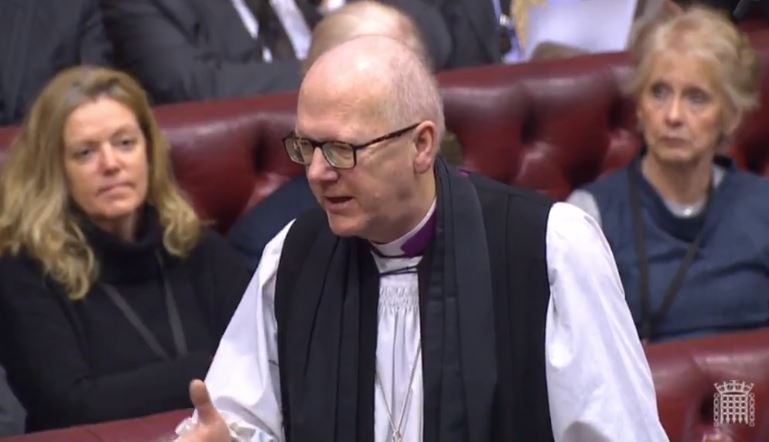
The Lord Bishop of St Albans: My Lords, it looks as if the provisional local government finance settlement for 2025-26 will disadvantage rural areas, with the removal of the rural services delivery grant making the situation even worse. What steps are being taken to ensure that the needs of rural communities are being considered in the devolution process and that the strategic policy approaches developed by the combined authorities meet the specific needs of service delivery in our rural communities?
Continue reading “Bishop of St Albans asks about needs of rural communities in devolution process”The Bishop of Winchester asked a question on government plans to recognise Cornish identity within the future Council of the Nations and Regions on 27th November 2024:

The Lord Bishop of Winchester: My Lords, given that the UK Government have recognised the distinctive identity of the Cornish through the Council of Europe’s Framework Convention for the Protection of National Minorities, can the Minister say whether there are any plans to recognise that identity within the Council of the Nations and Regions, irrespective of whether they vote for a mayor? I note that the Cornish do not take kindly to being called English.
Continue reading “Bishop of Winchester asks about recognition of Cornish regional identity”During the King’s Speech debate on 23rd July, 2024, the Archbishop of York gave a speech on the topic of the constitution, devolution and trust in democracy, raising the importance of faith in public life and the potential for other faith communities to be better represented in the House of Lords:
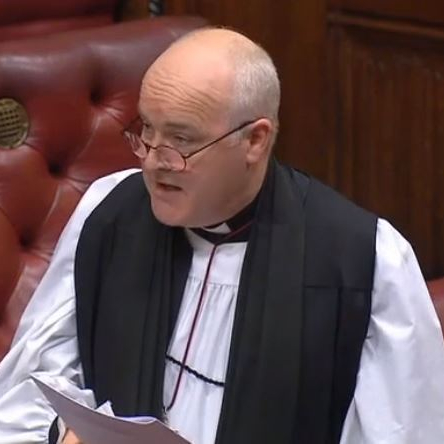
The Lord Archbishop of York: My Lords, it is an honour to respond to the gracious Speech. I, along with others on these Benches, welcome the noble and learned Lord, Lord Hermer, the Attorney-General, and thank him for a really moving maiden speech—not least his desire that we listen to and respect one another and work consensually.
Like others, I want to focus on one thing, which is rebuilding trust in democracy itself. The turnout on 4 July was shockingly low. Research also shows a 13% gap in turnout between constituencies with the highest and lowest proportions of home ownership. Furthermore, an estimated 400,000 people were turned away at the polling station because they did not have the right ID. These are alarming statistics, and I look forward to the changes outlined in the Government’s manifesto that could start to address them, including reducing the voting age to 16.
Continue reading “King’s Speech Debate: Archbishop of York raises importance of faith and representation in public life”The Archbishop of York spoke on devolution, with a particular focus on the North of England on 8th November 2023, in a debate following the Kings Speech:
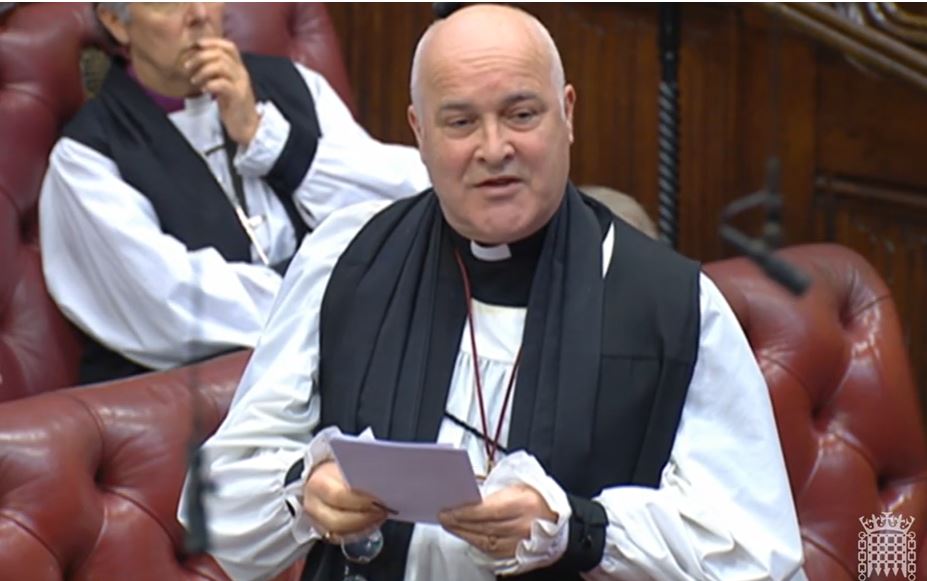
The Lord Archbishop of York: My Lords, from these Benches I too express our sadness at the news of the death of Lord Judge and offer prayers and condolences to his family. I look forward with others to the speeches of the noble and learned Lord, Lord Burnett of Maldon, and the noble and learned Lords, Lord Houchen of High Leven and Lord Bailey of Paddington.
The focus of my speech is devolution, looking particularly at devolution in and within the regions of England, not least because devolution and devolved government allow us to seek consensus in our decision-making, and therefore to be better able to take a longer view, which in turn is the best way of tackling some of the huge issues facing us that were mentioned in the gracious Speech: the greening of the economy; poverty; and criminal justice. Yesterday, the order was laid by the Government for the establishment of the mayoral combined authority for York and North Yorkshire, the area where I live and serve. This is very good news for the north and is the first deal of its kind that includes a large rural area in combination with a small city, and therefore is an opportunity for a new model that does not require a big city for its success.
Continue reading “Kings Speech Debate: Archbishop of York speaks on devolution in the North of England”During a debate on Levelling Up on 23rd January 2023, the Bishop of Durham asked whether how much of the investment promised to the north-east of England will be new funds:
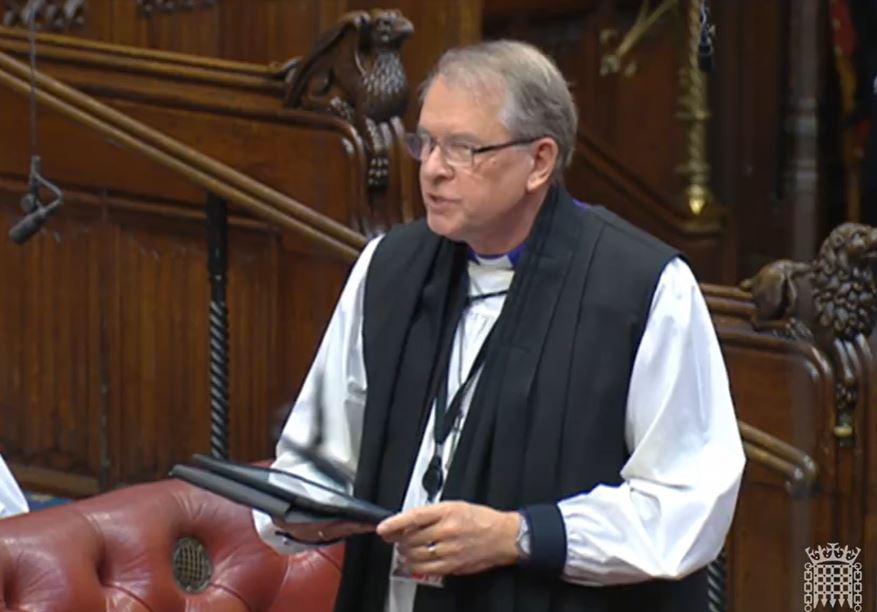
The Lord Bishop of Durham: My Lords, I welcome the new devolution deal that has been done for the north-east and look forward to the appointment of an elected mayor for the region. If this devolution deal goes ahead, which I trust it will, can His Majesty’s Government clarify what proportion of the estimated £4.2 billion of investment into the region will be truly new money that the local new mayor can allocate out?
Lord Lexden (Con): I thank the right reverend Prelate for that question and I will have to give him a written answer: I do not have that information on the north-east devolution deal.
 The Church of England in Parliament
You must be logged in to post a comment.