Bishop of St Albans draws attention to repercussions of climate change in the Horn of Africa

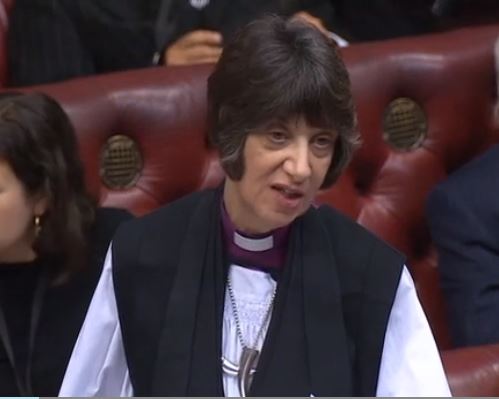
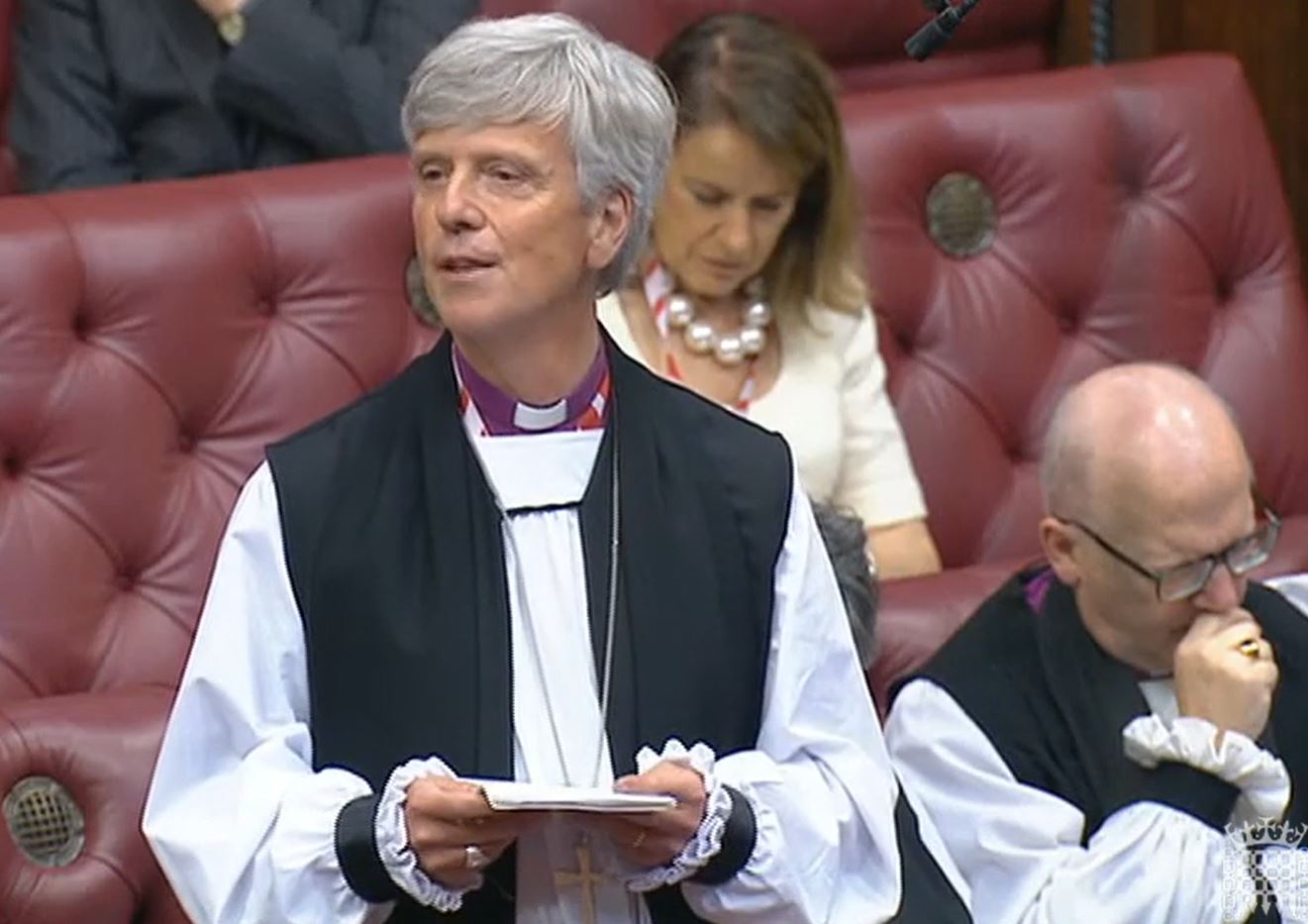
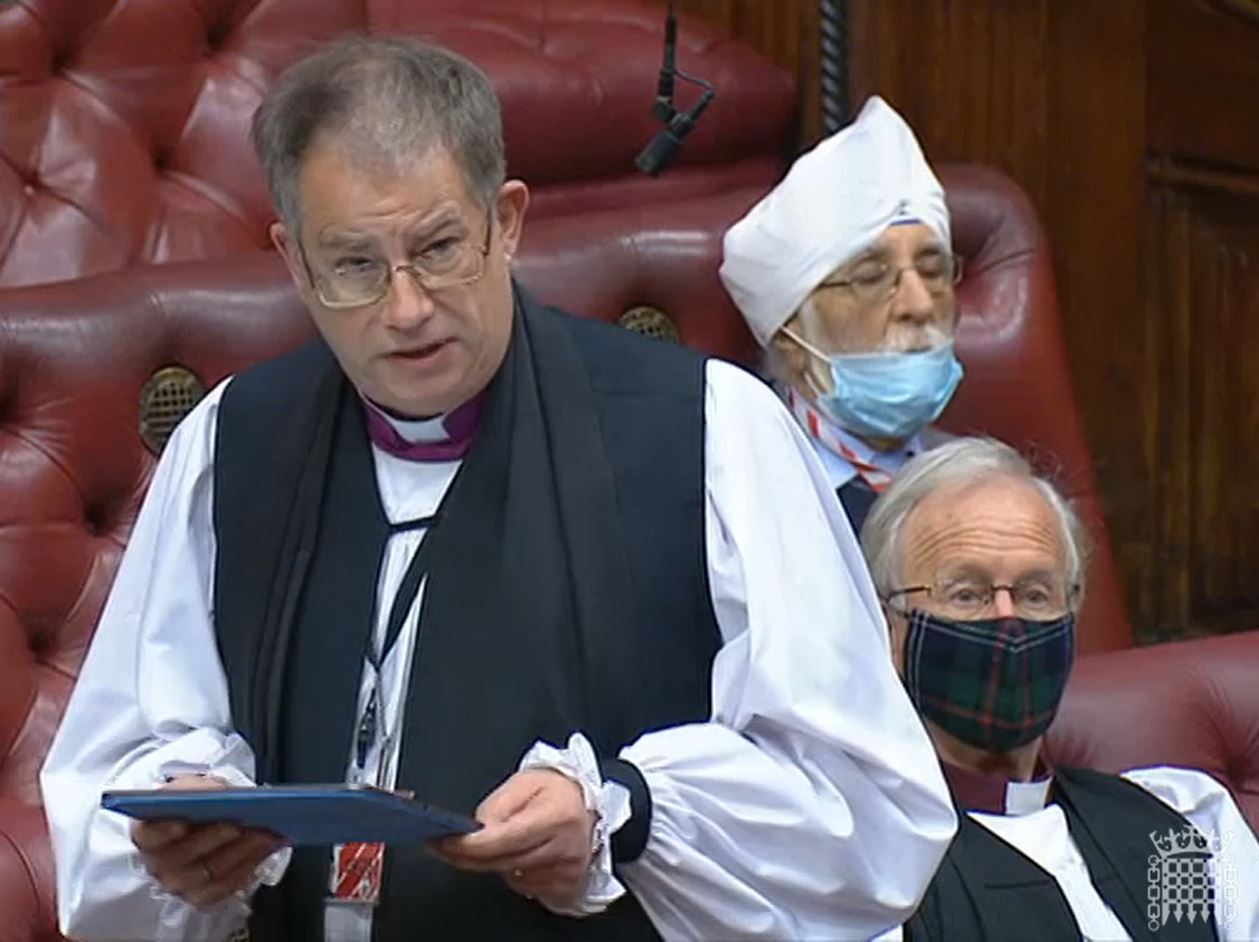
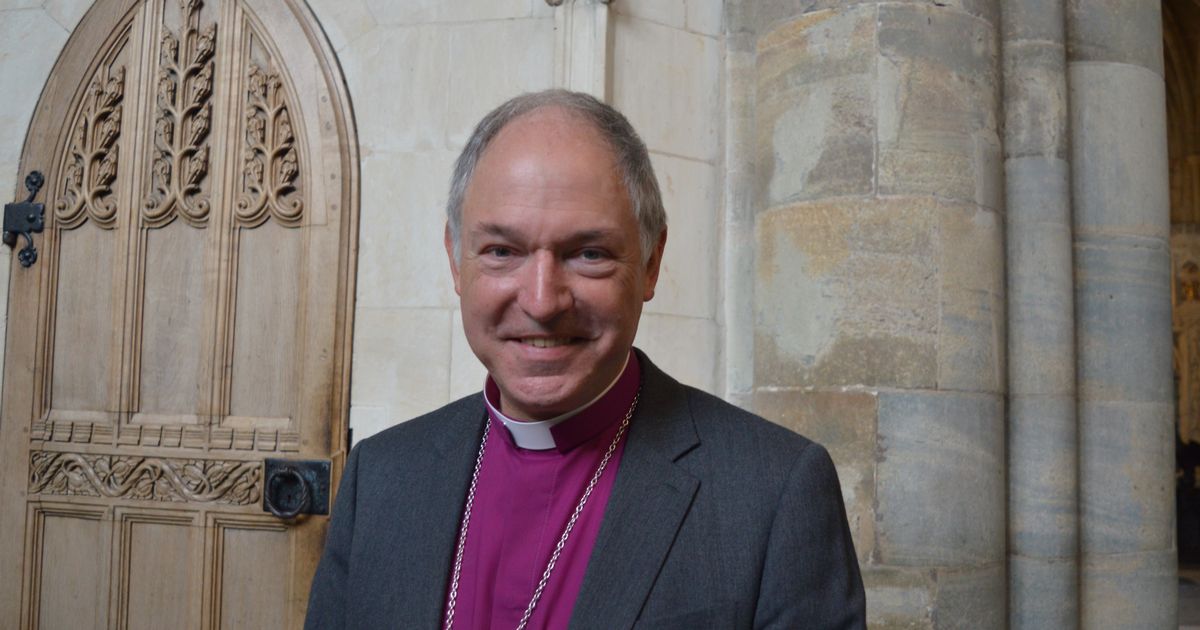
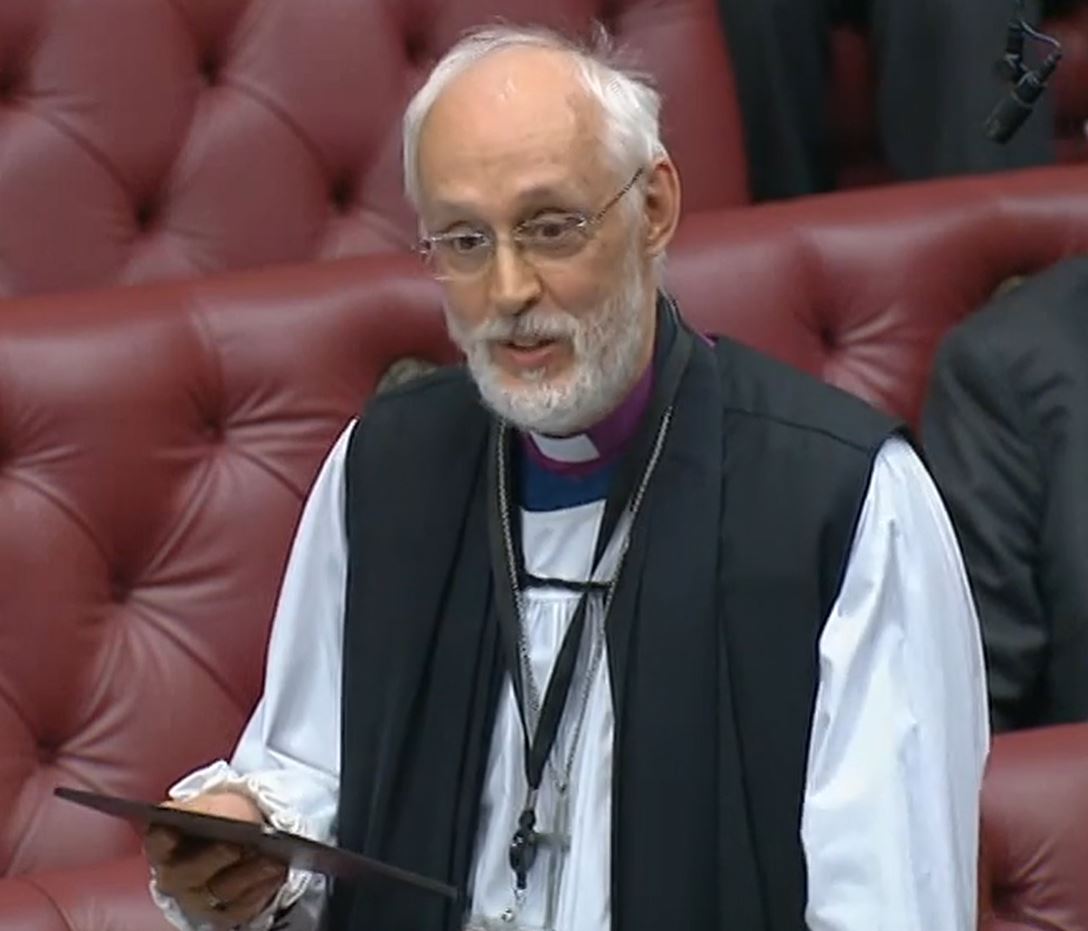
The Bishop of St Albans spoke in a debate on the effects of climate change on migration on 14th September 2023, drawing particular attention to the food and water security crisis in the Horn of Africa:

The Lord Bishop of St Albans: My Lords, I thank the noble and right reverend Lord, Lord Harries of Pentregarth, for securing this debate, for his excellent and comprehensive introduction and particularly for setting out so clearly some of the work undertaken by international bodies. I will not repeat any of that, because he spelt that out very clearly for us. As he noted, the climate crisis is at the heart of famines, conflicts and food insecurity across the globe today. We have already seen the disastrous effects of climate change in many parts of the developing world.

I want to focus on a few thoughts, particularly on the Horn of Africa, where we see this perhaps most clearly at the moment. Indeed, a terrible natural humanitarian disaster is unfolding before our very eyes, with thousands now fleeing the region in search of food security and water. It is vital to develop an effective strategy to mitigate the impacts of climate change in the developing world. The Horn of Africa is currently facing a climate-induced drought and a serious food crisis affecting more than 36 million people, more than half of whom are children. UNICEF estimates that up to 5.7 million children need urgent treatment for acute malnutrition.

Continue reading “Bishop of St Albans draws attention to repercussions of climate change in the Horn of Africa”

Votes: Levelling-up and Regeneration Bill

On 4th September 2023, the House of Lords debated the Levelling-up and Regeneration Bill in the report stage. Votes were held on amendments to the bill, in which a Bishop took part:

Continue reading “Votes: Levelling-up and Regeneration Bill”

Bishop of St Albans asks about the climate impact of London Luton Airport

The Bishop of St Albans received the following written answer on 4th September 2023:

The Lord Bishop of St Albans asked His Majesty’s Government what steps they are taking to restrict the climate impact of London Luton Airport.

Baroness Vere of Norbiton (Con, Department for Transport): The Government has ambitious plans to decarbonise all aviation, as part of our Jet Zero strategy and is already supporting a variety of technology, fuel and market-based measures to do so.

Continue reading “Bishop of St Albans asks about the climate impact of London Luton Airport”

Bishop of Guildford takes part in debate on the wide ranging effects of climate change

The Bishop of Guildford spoke in a debate about adapting to the impacts that climate change will have on health, the economy, food security, and the environment on 24th July 2023:

The Lord Bishop of Guildford: My Lords, I too am grateful to the noble Lord, Lord Krebs, for this timely debate and very much look forward to the maiden speech of the noble Earl, Lord Russell.

The Church Commissioners and the Church of England Pensions Board have recently taken the decision to divest from fossil fuels following insufficient progress towards meeting the targets set by their investment boards in 2018. As the most reverend Primate the Archbishop of Canterbury put it:

“We have long urged companies to take climate change seriously, and specifically to align with the goals of the Paris Climate Agreement and pursue efforts to limit the rise in temperature to 1.5°C above pre-industrial levels … Some progress has been made, but not nearly enough. The Church will follow not just the science, but our faith—both of which call us to work for climate justice”.

Continue reading “Bishop of Guildford takes part in debate on the wide ranging effects of climate change”

Bishop of Oxford urges commitment to unilateral action on climate change

On 7th June 2023, the Bishop of Oxford spoke in a debate on a report from the Environment and Climate Change Committee, stressing the need for a coordinated response to the challenges presented by climate change:

The Lord Bishop of Oxford: My Lords, it is a pleasure to be part of your Lordships’ committee under the excellent leadership of the noble Baroness, Lady Parminter, and to present this report and debate it today. Many in your Lordships’ House will have seen the 2021 Hollywood film “Don’t Look Up”, which was written and directed by Adam McKay. It explores the world’s response to climate change through the metaphor of an asteroid hurtling towards the earth bringing destruction in its wake. The scientists and world leaders in the film have a way through the crisis, but only if the scientific facts are acknowledged and the world works together. As noble Lords may know, in the film the world fails that test spectacularly.

Each year brings fresh reminders of the reality of global heating in floods, fires, extreme weather events, natural disasters and rising sea levels. The IPCC continues to publish ever more solemn warnings to the world, including most recently that we are likely to see a 1.5 degree rise in average temperature in at least one year in this decade. The human consequences of climate change are seen in wars, migration, changing crop patterns and the loss of islands and coastal areas. The burden falls most on the poorest and those who have historically used the least in terms of carbon, yet still we do not listen.

Continue reading “Bishop of Oxford urges commitment to unilateral action on climate change”

Archbishop highlights increased risk of climate change-driven conflict and migration

On 30th March 2023 the House of Lords held a short debate on a Motion from Lord Naseby: To ask His Majesty’s Government what plans they have to introduce new economic policies to address the challenges of climate change in developing countries, particularly those that are members of the Commonwealth.

The Archbishop of Canterbury: My Lords, I am grateful to the noble Lord, Lord Naseby, for tabling this Question. In his travelogue, he mentioned, to my alarm, the areas for which I am directly responsible—I suppose because they could not go anywhere else—notably, the Falkland Islands, Antarctica, Sri Lanka and Bermuda; I do not know what is going to happen to Kent.

The OECD’s most recent States of Fragility report found that, in 2022, 23% of the world’s population were living in fragile contexts, often linked to climate change, but 73% of the world’s extreme poor were. This figure is projected to rise to 86% of the world’s poor on the lowest incomes by 2030. For the Anglican Communion, within 165 countries over 150 of them are affected by such changes.

Continue reading “Archbishop highlights increased risk of climate change-driven conflict and migration”

Bishop of Exeter asks about impact of litter on wildlife, costs of animal feed, and the effect of global warming on diseases contracted by trees

The Bishop of Exeter received the following written answers on 21st March 2023:

The Lord Bishop of Exeter asked His Majesty’s Government what assessment they have made of the impact of litter on wildlife.

Lord Benyon (Con): There is a systematic, proactive screening of potential new and emerging plant health risks. This includes consideration of changes which have the potential to affect the risk posed by non-native plant pests and pathogens to UK plants, both cultivated and in the wider environment. Pests and pathogens which are considered to pose a risk are prioritised for action in the UK Plant Health Risk Register. Risks are reviewed monthly by an expert group and Ministers, and prioritised for actions such as contingency plans in the event of an outbreak, pest risk analyses which can look in detail at potential risks associated with climatic factors, surveillance, enhanced inspection, regulation, national measures, import controls, research and awareness raising.  Actions and decisions are kept under review and would be reconsidered in light of new information concerning the pest or other factor which would change the risk to GB.

Continue reading “Bishop of Exeter asks about impact of litter on wildlife, costs of animal feed, and the effect of global warming on diseases contracted by trees”

Bishop of Manchester asks about government response to pollution in rivers and on beaches

The Bishop of Manchester asked a on government response to pollution in the context of climate change and extreme weather events, during a debate on river and beach pollution on 30th January 2022:

The Lord Bishop of Manchester: My Lords, I declare my interest as a Church Commissioner in the farming industry. What attention are the Government paying to pollution as we get more and more extreme weather events, with climate change being upon us?

Continue reading “Bishop of Manchester asks about government response to pollution in rivers and on beaches”

Bishop of St Albans asks about sources of international climate finance

The Bishop of St Albans asked a question about how international climate finances are allocated during a debate on the government’s COP27 Statement on 15th November 2022:

The Lord Bishop of St Albans: My Lords, is the Minister able to confirm that the pledges for international climate finance are not being taken from the ODA (Official Development Assistance) budgets?

Continue reading “Bishop of St Albans asks about sources of international climate finance”

Bishop of Manchester speaks in a debate on climate change and food security

On 8th September 2022, the House of Lords debated the effects of climate change on biodiversity and food security. The Bishop of Manchester spoke in the debate:

The Lord Bishop of Manchester: My Lords, I begin by adding my own compliments to the noble Baroness, Lady Willis, on what was a most excellent maiden speech. I am very much looking forward now to her deep scientific learning informing many future contributions. We need good science in this House. I also echo the sentiments of my right reverend friend the Bishop of Durham in the previous debate, assuring your Lordships that Her Majesty is very much in the prayers of the Lords Spiritual at this time.

I am deeply grateful to the noble Baroness, Lady Boycott, for securing time for us to discuss the important matters in this debate. I draw attention to my interest as set out in the register as a Church Commissioner; we are one of the largest owners of agricultural land in England.

This year we have seen unprecedented consequences of climate change, both at home in the UK and abroad: record temperatures, shifting weather patterns, rising sea levels and biodiversity loss. Climate change is alive and kicking, and we need to work together at all levels, locally, nationally and internationally, to address the crisis.

Continue reading “Bishop of Manchester speaks in a debate on climate change and food security”