On the 2nd December 2016 the Bishop of Ely, the Rt Revd Stephen Conway spoke in a debate led by the Archbishop of Canterbury on shared values and their implications for public policy making. The Bishop of Ely spoke about the importance of character education in developing values and the role played by church schools in fostering good links between children of all faiths and none.
 The Lord Bishop of Ely: My Lords, I thank my friend the most reverend Primate for securing this timely and essential debate. I applaud the noble Lord, Lord McInnes, on his excellent speech, not least on drawing together our concern for values with opportunity for our children and young people. When we talk about British values, we should be aiming not at the lowest common denominator but, as the noble Baroness, Lady Warsi, said, at the highest ideals that we want to promote for and with our children.
Character education is all set to be the foundation for the kind of person we want each child to become: a member of society who not only understands the world, but cares about it, is equipped to continue in the good and recognise and challenge the bad and is courageous enough to bridge divides and extend the hand of friendship. The Church of England vision for education actively seeks to provide an education that fosters this. Character education is about educating children not only to become efficient economic units, but to flourish in all areas of their lives, and enjoy life in all its fullness, as Jesus says in the Gospel of John. Fundamental to this is the nurturing of virtues as the intrinsic building blocks of a rounded human life with concrete outcomes in behaviour and service. St Paul takes the life of virtue beyond what had previously been categorised when he wrote in the Letter to the Galatians about the “fruits of the spirit”: love, joy, peace, forbearance, kindness, goodness, faithfulness, gentleness and self-control.

 On the 20th February 2017, Lord Oates asked the Government “how many secondary schools in England do not currently provide in-school counselling services for their students.” The Bishop of Ely, the Rt Revd Stephen Conway, asked a supplementary question.
 On the 30th January 2017, Baroness Donaghy asked the government “in the light of figures showing that nearly one-third of newly qualified teachers leave the profession within five years of qualifying, what steps they are taking, including continuing professional development entitlement, to retain them.” The Bishop of Ely, the Rt Revd Stephen Conway, asked a follow-up question.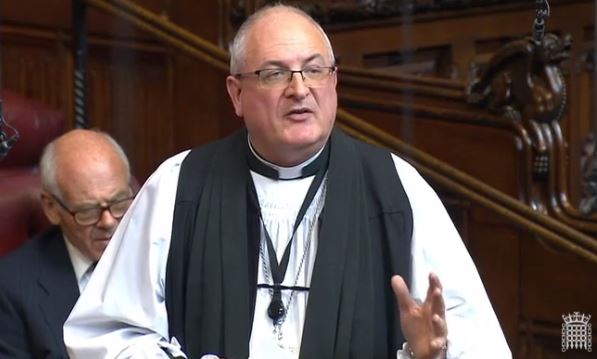
 On 31st October 2016, the Bishop of Ely, the Rt Rev Stephen Conway, received a written answer from Lord Nash (Department for Education), to a question about educational support and careers advice provided to disabled young people.
 On 6th July 2016, Earl Howe repeated a Government statement on the Chilcot Inquiry. The Bishop of Ely, Rt. Rev. Stephen Conway, responded to the statement.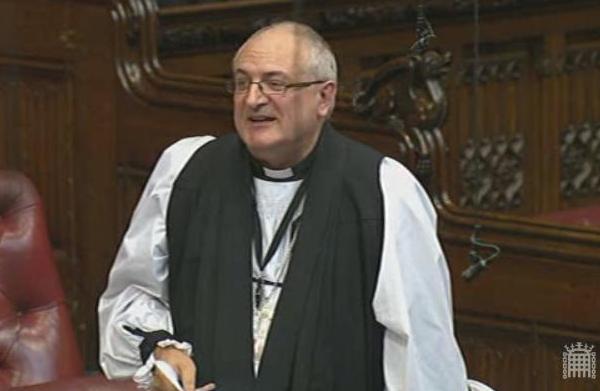
 The Church of England in Parliament
You must be logged in to post a comment.