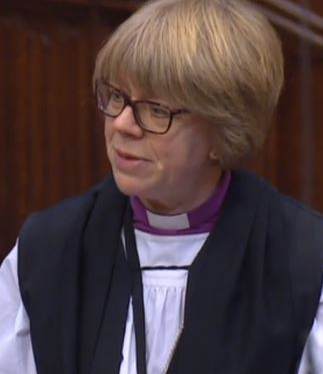
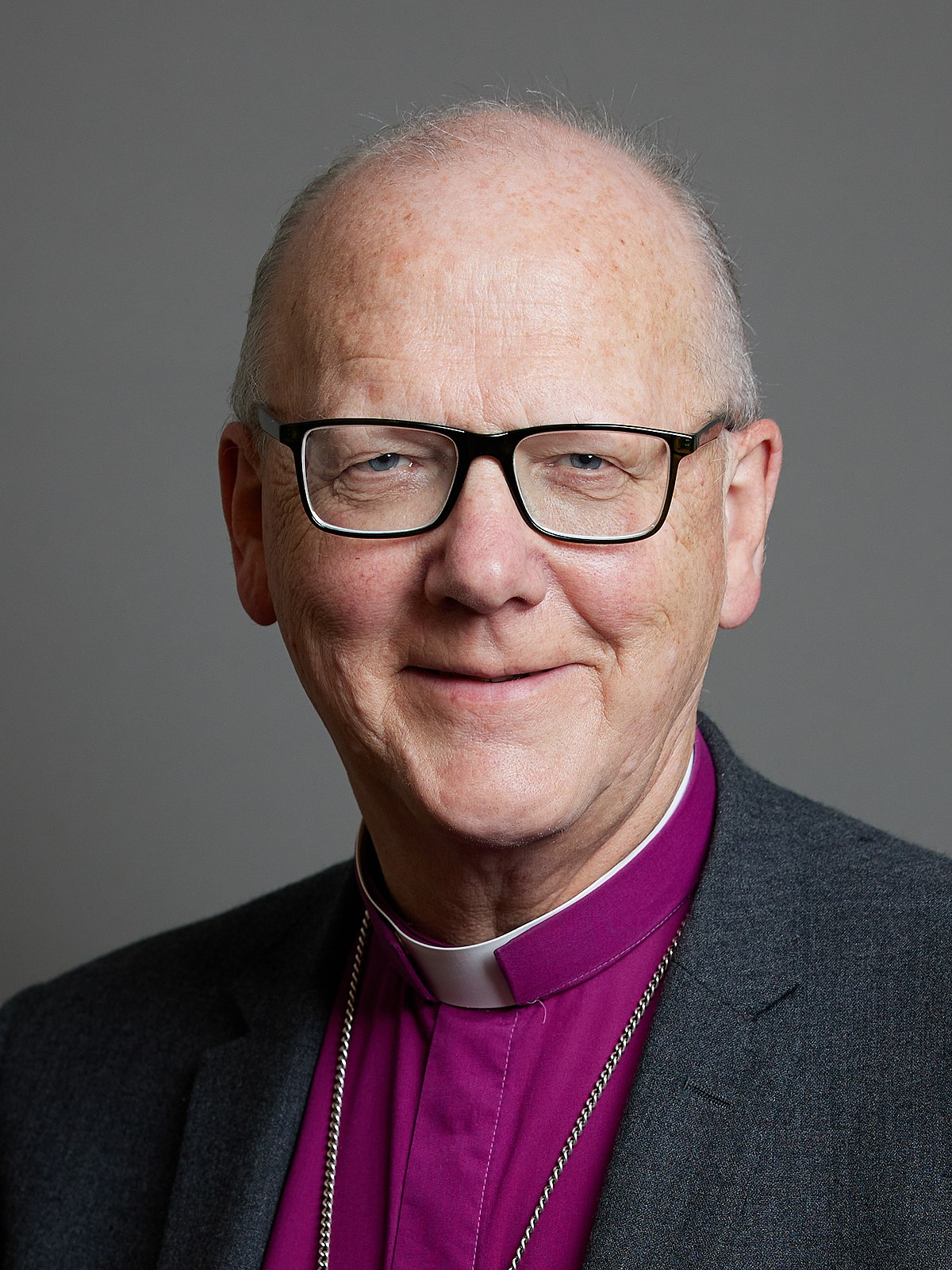
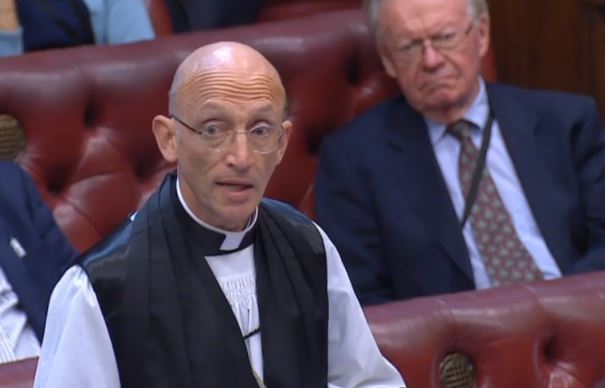
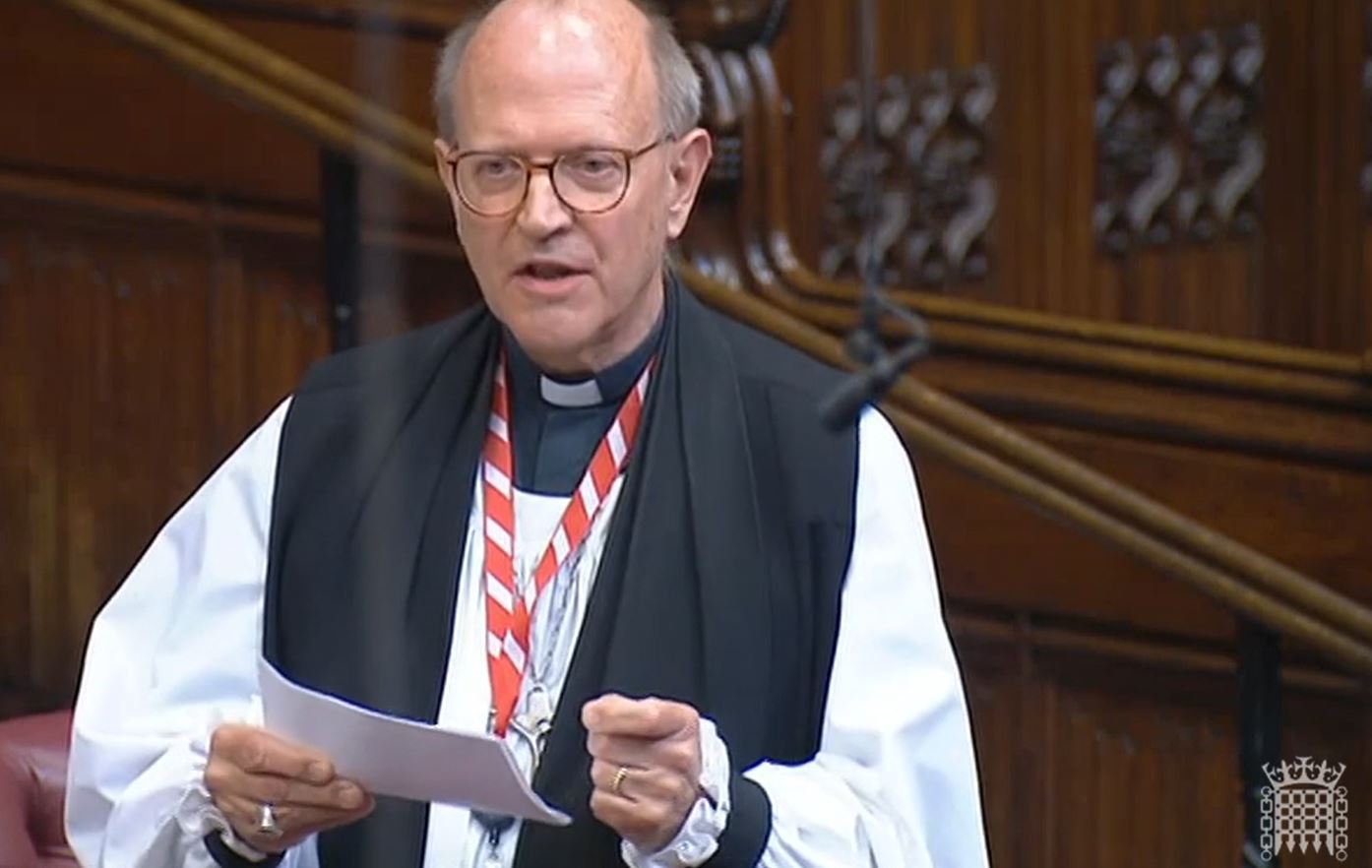
Bishop of London asks about reducing health inequalities

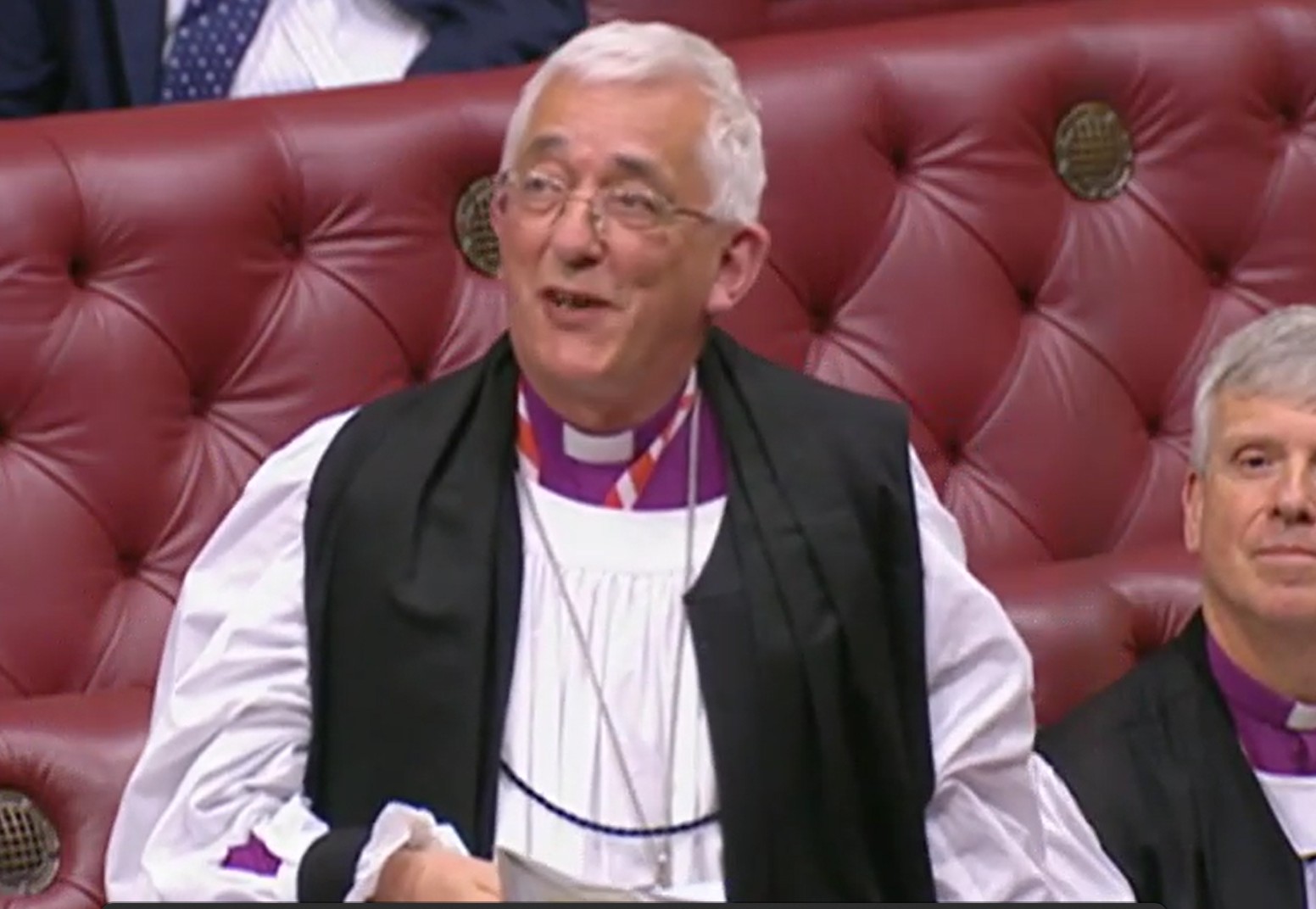
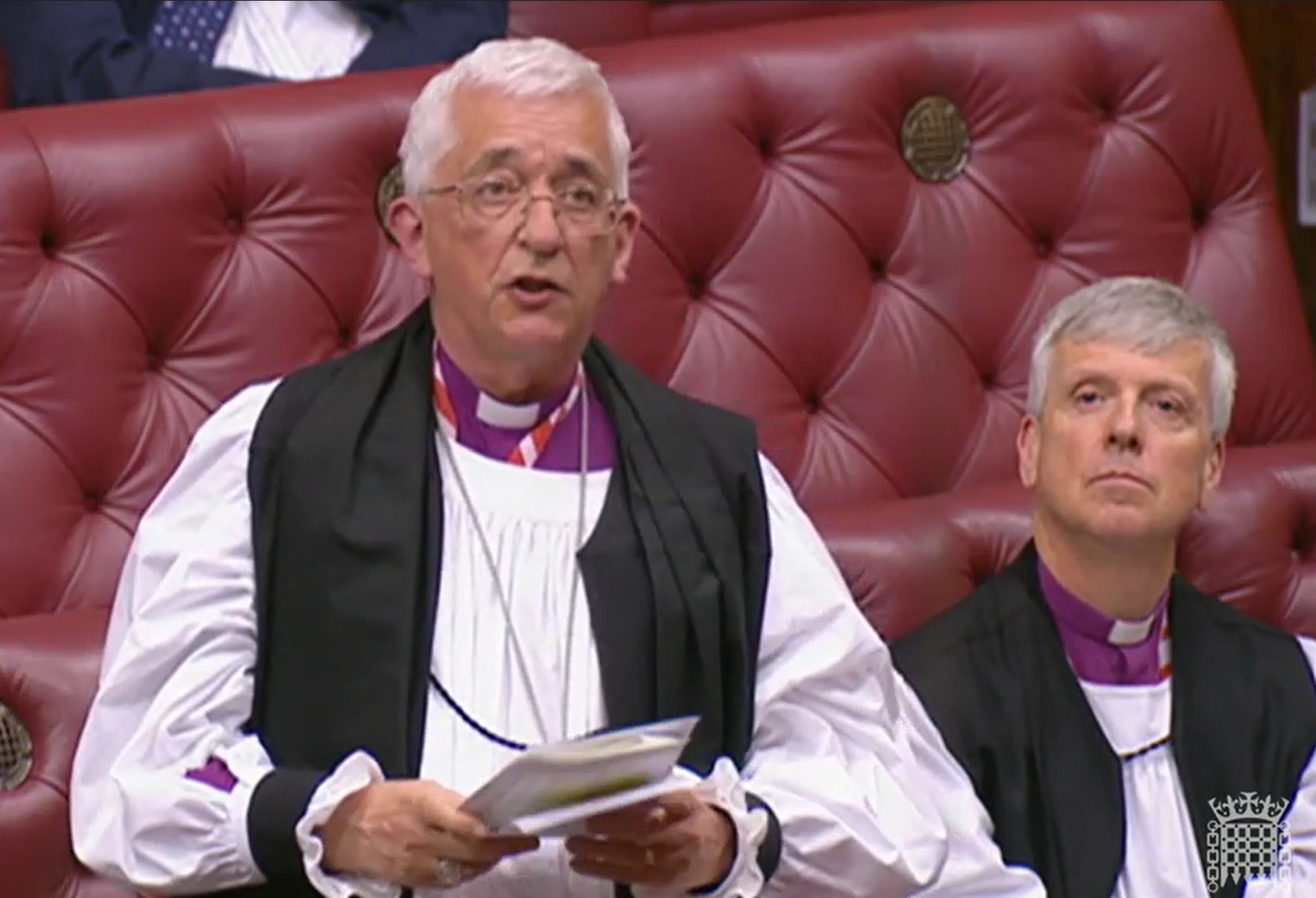
The Bishop of London asked a question on building partnerships with faith and community groups to address health inequalities on 26th February 2025, following a discussion on incorporating chiropractors into national musculoskeletal health prevention strategies:

The Lord Bishop of London: My Lords, according to the Arthritis and Musculoskeletal Alliance report on health inequalities and deprivation, an important way to reduce health inequalities in these conditions, particularly in those groups of people who are underserved, is to help them to manage their own conditions. Often it is much harder because they often have more than one complex condition; often they are much more complex and are picked up much later. One of the recommendations was around moving NHS care into the community. Could the Minister tell us what the Government are doing to encourage the NHS to build partnerships with community groups, including faith groups, to seek to reduce inequalities in these conditions and communities?

Continue reading “Bishop of London asks about reducing health inequalities”

Bishop of St Albans asks about community relations

The Bishop of St Albans received the following written answer on 12th February 2025:

The Lord Bishop of St Albans asked His Majesty’s Government what steps they are taking to engage positively with Muslim communities, including the Muslim Council of Britain.

Continue reading “Bishop of St Albans asks about community relations”

Bishop of Norwich speaks in debate on lifelong learning

The Bishop of Norwich spoke in a debate on lifelong learning on 6th February 2025, highlighting the role of faith communities in the sector:

The Lord Bishop of Norwich: My Lords, I am grateful to the noble Lord, Lord Knight, for bringing this debate and look forward in the spirit of lifelong learning to hearing other contributions this evening.

Lifelong learning is about social value, although we do not live to store up treasure just for ourselves. It is about economic value, although we do not live by bread alone. It is about personal value, although we do not live just for me but for the flourishing of others who are our neighbours. Faith communities play an important part in all these aspects of lifelong learning, through catechesis, engagement with social issues, basic skills training, youth work, volunteering and engagement with schools, FE colleges and universities. They are also crucially involved in spiritual value by fostering vocation and character.

Continue reading “Bishop of Norwich speaks in debate on lifelong learning”

Bishop of Chichester asks about protection of Christian communities in Syria

The Bishop of Chichester asked a question on the need to protect Christian communities in Syria during a discussion on the current transition period in the Syrian government on 6th February 2025:

The Lord Bishop of Chichester: My Lords, Syria is home to some of the oldest and most significant Christian churches in the world, although Christians now number only 2.5% of Syria’s population. Although small in number, they see themselves as an integral part of the people of Syria and its identity. In view of this, will the Minister ensure that policy and statements about Syria robustly identify its Christian communities and history as an important part of its identity and life and in need of special protection, rather than simply being assimilated as Syrians defined as citizens of the state?

Continue reading “Bishop of Chichester asks about protection of Christian communities in Syria”

Bishop of St Edmundsbury and Ipswich asks about ensuring proper safeguarding in faith and community spaces

The Bishop of St Edmundsbury and Ipswich asked a question on ensuring the safety of community spaces on 20th January 2025, in response to a government statement on investigations into child sexual exploitation and abuse:

The Lord Bishop of St Edmundsbury and Ipswich: My Lords, I also pay tribute to victims and survivors in this regard, recognising that the failure to respond perpetuates and prolongs their suffering, and recognising—as noble Lords will all know—that the Church of England is facing significant challenges in putting its own house in order in that regard. I want to ask, therefore, a wider question on faith communities, all of which provide places of gathering and moral and social influence, and all of which strive to make those places as safe as possible. What conversations are continuing with leaders of faith communities to support them in that vital work?

Continue reading “Bishop of St Edmundsbury and Ipswich asks about ensuring proper safeguarding in faith and community spaces”

Terrorism (Protection of Premises) Bill: Bishop of Manchester raises need for training and resources for faith and voluntary groups

The Bishop of Manchester spoke in a debate on the second reading of the Terrorism (Protection of Premises) Bill on 7th January 2025, referencing his experiences leading the diocese in the aftermath of the Manchester arena bombing in 2017 and the need for access to training and resources for faith and voluntary sector groups to comply with the requirements of the bill:

The Lord Bishop of Manchester: My Lords, as a bishop whose diocese includes around 300 places of worship, most of which will find that this Bill directly applies to them, I have, along with my right reverend friends on these Benches, a very obvious interest to declare. But as the Bishop of Manchester, I have a more specific reason for wanting to see this Bill reach the statute book. Martyn Hett, whose name is immortalised in the informal title by which we know this Bill, was killed some three minutes’ walk from my cathedral. We are all grateful for the persistence of his mother, Figen, over these last seven years, and for achieving the degree of cross-party consensus that has brought us to this point today.

Continue reading “Terrorism (Protection of Premises) Bill: Bishop of Manchester raises need for training and resources for faith and voluntary groups”

Bishop of Bristol highlights importance of community and interfaith relations in promoting social cohesion

The Bishop of Bristol spoke in the Archbishop of York’s debate on social cohesion on 6th December 2024, raising local examples from the city of Bristol and the importance of community and interfaith outreach:

The Lord Bishop of Bristol: My Lords, I too am grateful to the most reverend Primate for securing this debate and setting its tone. I am also very grateful to the noble Lord, Lord Sharma, for his impressive speech, and look forward to many more contributions from him in this Chamber. I am glad to follow the noble Lord, Lord Elliott, and realise that there is more that unites us than divides us. Indeed, there are overlaps with many of the contributions from the Benches opposite in what I am about to say, because I want to speak of a particular place and of particular people.

I begin with Liverpool, as the noble Lord, Lord Elliott, mentioned. It was David Sheppard who, as Bishop of Liverpool, ordained me deaconess in Liverpool Cathedral and helped me to understand the stresses that port cities experience as global trade and human migration patterns shift. Port cities absorb, endure or thrive on the consequent change. Bishop David and his Archbishop and Free Church colleagues were well aware that social unrest was a symptom of the impact of felt injustice and a stimulus to work to create justice and peace. “Better together” was their theme and their motto in a city divided on economic, racial and religious grounds.

Continue reading “Bishop of Bristol highlights importance of community and interfaith relations in promoting social cohesion”

Archbishop of York leads debate on social cohesion

The Archbishop of York led a debate on Social Cohesion and Community during Periods of Change on 6th December 2024:

The Lord Archbishop of York: That this House takes note of the importance of social cohesion and strong, supportive community life during periods of change and global uncertainty.

My Lords, on Monday 29 July this year, just before 11.50 am, police officers were called to a property in Southport, where children attending a dance school had been appallingly and ferociously attacked by a man with a knife. Three of the children—Elsie Dot Stancombe, Alice Dasilva Aguiar and Bebe King —died. Many others sustained terrible injuries, and a whole community and many families were devastated and traumatised.

Understandably, horror and anguish convulsed not just Southport but the whole country. Rumours quickly circulated on the internet that the man to blame for this attack was an asylum seeker who had arrived in the UK illegally and was on the MI6 watch-list. This was not true. As a reporter put it a few days later, once lit, the torch paper of disinformation burned quickly. Although this rumour was quickly debunked, in the days that followed, as we know, riots broke out all over our country.

Continue reading “Archbishop of York leads debate on social cohesion”

Bishop of Manchester asks about support for civil society organisations

The Bishop of Manchester asked a question on ongoing support for voluntary civil society organisations providing stress support for communities on 3rd December 2024, following a government statement on anti-social behaviour:

The Lord Bishop of Manchester: My Lords, I declare my interest as the co-chair of the national ethics committee of the National Police Chiefs’ Council. However, it is more in my role as Bishop of Manchester that I am speaking now. I get to go out from time to time at night with Street Angels or Street Pastors groups, as they are sometimes called. Many of these originated in the churches, but they are not exclusively church-based organisations. They provide gentle support on the streets, often late at night in city and town centres, helping to keep the peace. They help to deal with people who have become distressed—perhaps somebody who has had too much to drink and is either not safe themselves or cannot keep those around them safe.

Continue reading “Bishop of Manchester asks about support for civil society organisations”

Bishop of Norwich highlights importance of rule of law for faith and society

The Bishop of Norwich spoke in a debate on the importance of the rule of law on 26th November 2024, highlighting the intersection of the rule of law with faith communities and the need to uphold human rights legislation, particularly with regards to immigration and asylum:

The Lord Bishop of Norwich: My Lords, I am grateful to the noble and learned Baroness, Lady Smith, for bringing this debate forward and congratulate her on her outstanding maiden speech. I also congratulate the noble Baroness, Lady Laing of Elderslie, on hers.

While I feel an utter novice in this area, especially following such informed speeches, I am acutely aware that your Lordships have a role in reviewing decisions of the General Synod of the Church of England and passing—or not—our Measures into law. As such, our ecclesiastical laws are also laws of the land. The Church of England values its participation in this process, and, by virtue of that, engaging with any debate on the rule of law that strengthens the ordering of a safe, healthy and flourishing society.

Continue reading “Bishop of Norwich highlights importance of rule of law for faith and society”