Children’s Wellbeing and Schools Bill: Bishop of Oxford supports amendment on faith based education provision

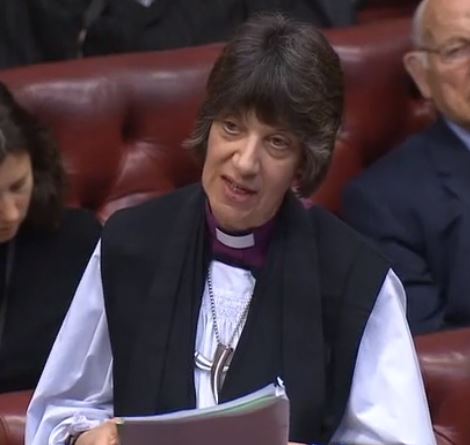
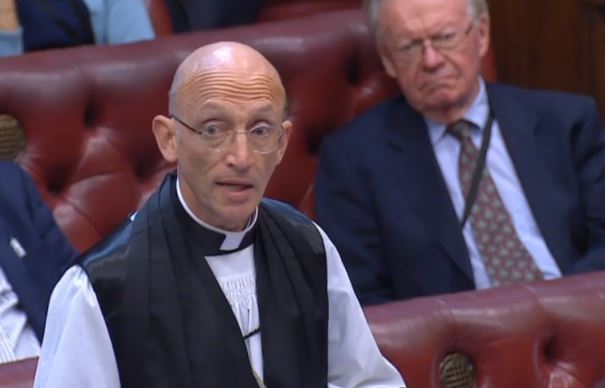
The Bishop of Oxford spoke in favour of an amendment to the Children’s Wellbeing and Schools Bill on behalf of the Bishop of Manchester on 10th September 2025, outlining the unintended effects of the bill on volunteer run-settings, including faith based provision:

The Lord Bishop of Oxford: My Lords, it is a pleasure to follow the noble Lord, Lord Lucas, and to associate myself with his remarks. I speak to Amendment 427C on behalf of my colleague, the right reverend Prelate the Bishop of Manchester, in whose name the amendment stands. He very much regrets his inability to attend today’s Committee debate. His amendment offers a reasonable and practical solution to the finely balanced tension between freedom and regulation in education provided by religious bodies.

As things stand, the Bill recognises two types of full-time education: education undertaken in either a school or an independent educational institution. The latter would need to be registered according to the 2008 Act and the requirement to register would apply to education that is more than “part time”. The need to include education provided by religious bodies in national mechanisms for oversight is well understood by all. The Church of England, for example, has taken enormous strides forward in both safeguarding training and safeguarding processes in local parishes that welcomed an average of 95,000 children each week in 2023.

Continue reading “Children’s Wellbeing and Schools Bill: Bishop of Oxford supports amendment on faith based education provision”
Bishop of Chichester speaks in debate on education in the UK

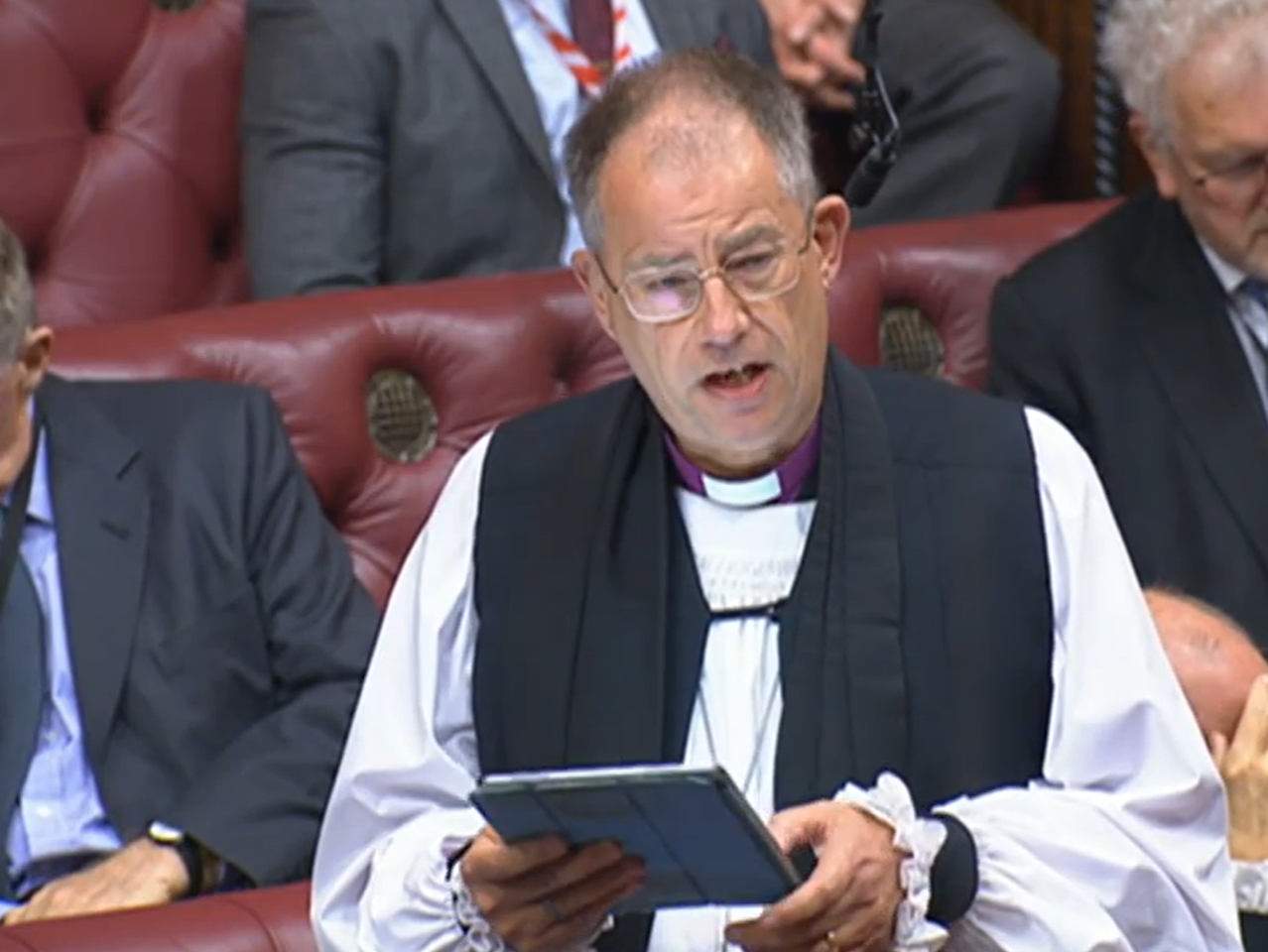
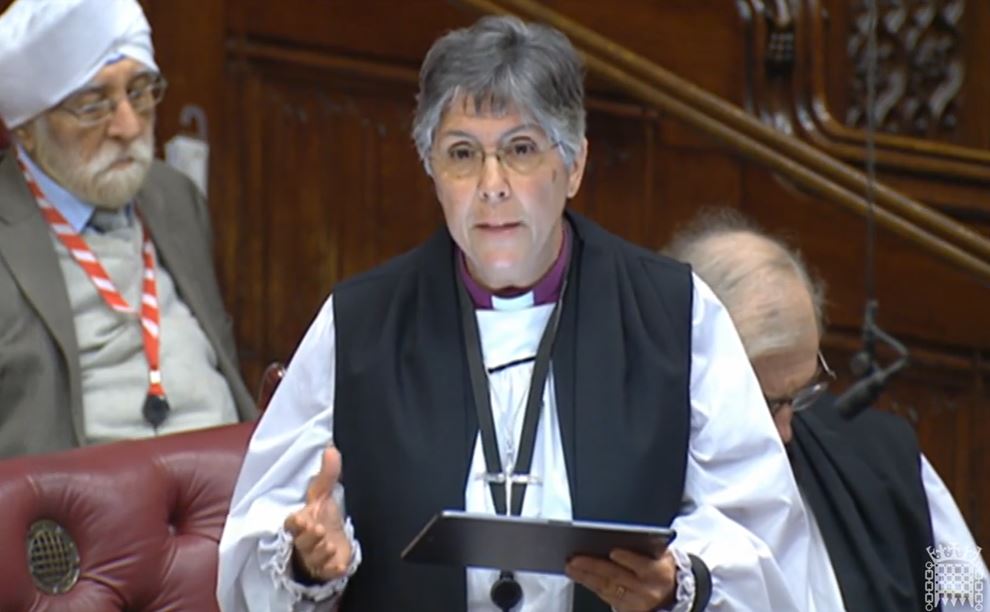
The Bishop of Chichester spoke in a debate on a report from the Education for 11 to 16-year olds Committee, ‘Requires improvement: urgent change for 11–16 education (Session 2023–24, HL Paper 17)’ on 26th July 2024, welcoming the report and highlighting the importance of religious education and the Church of England’s role as an educational provider:

The Lord Bishop of Chichester: My Lords, it is an honour to follow the noble Lord, Lord Aberdare, and the noble Baroness, Lady Blower, who have participated in the excellent report chaired by the group led by the noble Lord, Lord Johnson.

I welcome the priority that has been given to the review of the curriculum for 11 to 19 year-olds at an early stage of the Government coming into office. In particular, I welcome the report of the review group and how it will “refresh” the curriculum,

“build on the hard work of teachers and staff”,

and seek “evolution and not revolution”.

These are important indications that education will not be driven by ideology that leads to it becoming a political football, as sometimes has happened in the past.

In particular, the promise that the review will not

“place undue burdens on education staff”

will need to be delivered ostentatiously, particularly if the Government wish to improve the recruitment and retention of top-quality teachers. To that end, I greatly welcome also the acknowledgement of

“the innovation and professionalism of teachers”.

Continue reading “Bishop of Chichester speaks in debate on education in the UK”

House of Lords debates role of religion in schools

On 17th July 2o23, the House of Lords debated a question asked by Baroness Burt of Solihull on the recommendation by the United Nations Committee on the Rights of the Child that the United Kingdom should prevent the use of religion as a selection criterion for school admissions in England. Church of England schools were discussed during the debate:

Baroness Burt of Solihull (LD): To ask His Majesty’s Government what assessment they have made of the United Nations Committee on the Rights of the Child’s recommendation that the United Kingdom should prevent the use of religion as a selection criterion for school admissions in England.

Baroness Barran (Con): My Lords, the UK is a proud signatory of the UN Convention on the Rights of the Child. However, the Government support faith schools’ ability to set faith-based oversubscription criteria. This allows parents to have their children educated in line with their religious beliefs. Faith schools can give priority to applicants on the basis of faith only when they are oversubscribed. Where places are available, they must admit all children who apply.

Continue reading “House of Lords debates role of religion in schools”

Levelling Up and Regeneration Bill: Bishop of Chelmsford advocates for ensured premises for faith schools

On 22nd May 2023, the House of Lords debated the Levelling Up and Regeneration Bill in committee. The Bishop of Chelmsford spoke in the debate, in support of a government amendment to the bill that would require local authorities to transfer school premises to charitable trusts in charge of academies, establishing parity with local authority maintained schools:

The Lord Bishop of Chelmsford: My Lords, following the noble Baroness, Lady Bennett, I rise to speak in favour of government Amendment 467F and at the outset say that my right reverend friend the Bishop of Durham, who leads for the Church of England on education, very much regrets that he cannot be in his place.

We are grateful to the Department for Education and the department for levelling up for working together and with us in the Church to fulfil the Government’s commitment to bringing forward legislation to safeguard statutory protections relating to issues arising from the occupation of land by Church academies. The decision not to progress the Schools Bill might have meant that this uncontroversial but important change to legislation would have been lost, so it is very good to have the amendment in this Bill, which will maintain the important legacy of educational endowments that provide land for the purposes of a school with a religious character. This is important for all schools with a religious character, not just Church of England schools, and it will remove a significant barrier on the journey to academisation for Church schools, which is vital in the Government’s policy aims, as such schools make up one-third of the entire school sector and seek to serve local communities up and down the country.

Continue reading “Levelling Up and Regeneration Bill: Bishop of Chelmsford advocates for ensured premises for faith schools”

Bishop of Gloucester asks about school development

The Bishop of Gloucester asked a question about government plans to implement parts of the Schools Bill, during a debate on improving the education system on 30th November 2022:

The Lord Bishop of Gloucester: My Lords, the Schools Bill was partly intended to remove barriers to enable church schools to fully embrace the journey towards academisation. Given that there has been no further progress on that Bill, what plan do the Government have for introducing the legislative parts of that Bill that were broadly agreed and are needed to secure the development of all schools?

Continue reading “Bishop of Gloucester asks about school development”

Votes: Schools Bill (HL)

On 12th July 2022, the House of Lords considered amendments to the Schools Bill, and two votes were held on amendments to the bill, in which a Bishop took part.

Continue reading “Votes: Schools Bill (HL)”

Schools Bill: Bishop of Chichester speaks on amendments at committee stage

On 13th June the House of Lords continued to debate the Government’s Schools Bill in committee. The Bishop of Chichester spoke in the debate, on behalf of the Bishop of Durham, introducing and responding to a number of amendments:

The Lord Bishop of Chichester: My Lords, I speak on behalf of my colleague, the right reverend Prelate the Bishop of Durham, and declare his interest as chair of the National Society.

Continue reading “Schools Bill: Bishop of Chichester speaks on amendments at committee stage”

Schools Bill: Bishop of Bristol speaks on amendments in committee

On 13th June the House of Lords continued to debate the Government’s Schools Bill in committee. The Bishop of Bristol spoke in the debate, on behalf of the Bishop of Durham:

The Lord Bishop of Bristol: My Lords, I speak in place of my colleague, the right reverend Prelate the Bishop of Durham, who unfortunately cannot be present today. I declare his interest as chair of the National Society.

I rise briefly to welcome Amendment 40 in this group, which offers real clarity on the issue. We welcome the recognition it shows that the religious body must be involved in giving an interim trustee notice to the proprietor of an academy school with a religious character. We are grateful for the Minister’s continued work on this and hope this might provide a little encouragement at this point.

Continue reading “Schools Bill: Bishop of Bristol speaks on amendments in committee”

Bishop of Durham speaks on amendments to Schools Bill

On 8th June 2022, the House of Lords debated the Government’s Schools Bill (HL) in its first day in committee. The Bishop of Durham spoke in the debate, on amendments to the first clause:

The Lord Bishop of Durham: My Lords, I have to declare my interest as chair of the National Society, which oversees Church of England schools, although obviously they are all devolved around each diocesan board. I also apologise that I cannot be here for days two and three in Committee. I have a long-standing family holiday booked, and my marriage and parenthood are more important. I assure noble Lords that things will be covered by other Members on these Benches.

I have been told clearly by Members of this House that I should be very concerned about Clause 1, and indeed Clauses 2, 3, 4, 5, 6, 7, 8 and so on. Because of the nature of the people who have expressed those concerns, I listened very carefully. However, in principle I am persuaded that the move towards full academisation warrants the Secretary of State being given some additional powers. I disagree with a large number here: I think the direction of travel is abundantly clear. It is full academisation. If that is the direction of travel, we need to ensure that system is appropriately covered.

Continue reading “Bishop of Durham speaks on amendments to Schools Bill”

Bishop of Durham speaks in debate on the Schools Bill

On 23rd May 2022, the House of Lords debated the Schools Bill in its second reading. The Bishop of Durham spoke in the debate with regards to faith schools, teachers, and other points in the bill. The Bill was committed to a committee of the whole house.

The Lord Bishop of Durham: My Lords, I declare my specific interest as chair of the National Society. Noble Lords will know that the Church of England started mass education for the poor in England in 1811 through the work of the National Society. We built thousands of schools which have been at the heart of our commitment to the common good ever since. The state joined in this educational endeavour 50 years later. A strong mutual relationship developed, culminating in the dual system settlement in the 1944 Education Act.

Since a Labour Government introduced academies in the early 2000s, that system has been evolving but bringing complexity and fragmentation. Free schools added to this. Academies started as an innovation to bring fresh approaches to improve outcomes, especially for children in the most disadvantaged areas. There has been much success, although not in every case. Academies are now the predominant school type. As the system moves towards all schools being academies in a strong trust, it is right that we give detailed attention to ensure that academies are placed within a firm legislative context rather than rely on the largely contractual nature of the present arrangements.

Continue reading “Bishop of Durham speaks in debate on the Schools Bill”