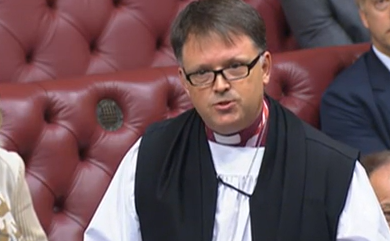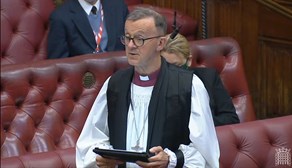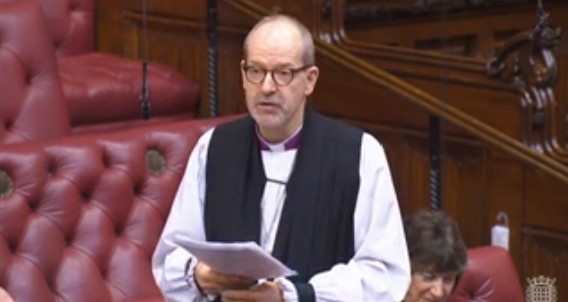
Bishop of Hereford asks about methods of engagement with the public on finance decisions

The Bishop of Hereford asked a question on methods for ascertaining public opinion on finance decisions during a discussion on press briefings regarding the budget:

The Lord Bishop of Hereford: My Lords, over the last few months not only have the bond markets been affected by this speculation, but people have made life-changing financial decisions, in part fuelled by speculation rooted in private government press briefings. These decisions may prove to be unwise when the Government’s actual decisions are revealed. Have the Government considered other, less damaging means of gauging public opinion than fishing through the media?

Continue reading “Bishop of Hereford asks about methods of engagement with the public on finance decisions”
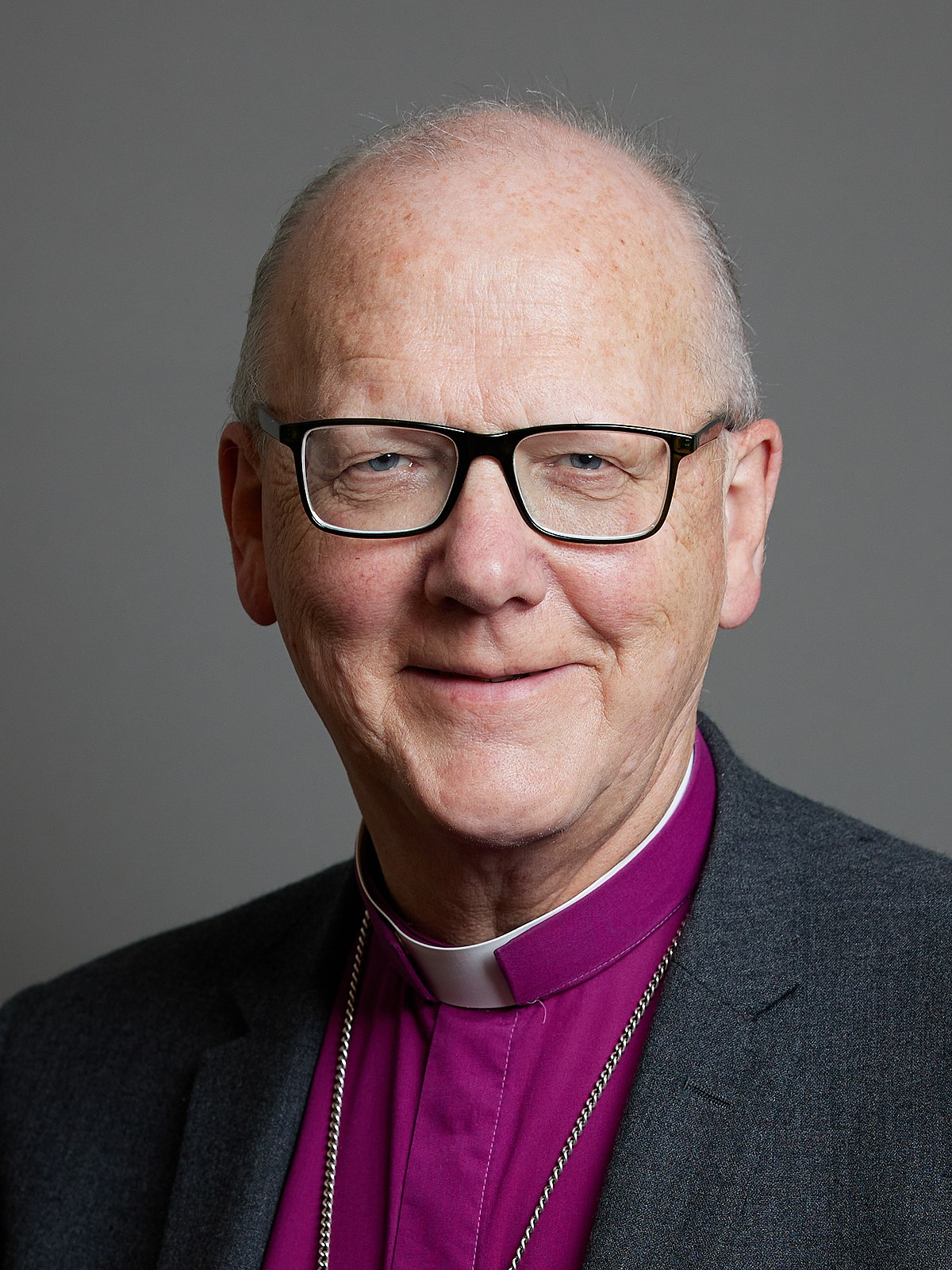
Bishop of St Albans asks about financial regulation

The Bishop of St Albans received the following written answers on 6th January 2025:

The Lord Bishop of St Albans asked His Majesty’s Government:

  • what assessment they have made of the Report on the Call for Evidence about the Financial Conduct Authority, published by the APPG for Investment Fraud and Fairer Financial Services, and what steps they are taking to implement its recommendations.
  • what assessment they have made of the recommendation from the APPG for Investment Fraud and Fairer Financial Services to establish a Financial Regulators’ Supervisory Council and to conduct periodic reviews of the operational effectiveness of the Financial Conduct Authority.
Continue reading “Bishop of St Albans asks about financial regulation”

Bishop of St Albans asks about gambling data and arts & culture spending

The Bishop of St Albans received the following written answers on 7th October 2024:

The Lord Bishop of St Albans asked His Majesty’s Government what steps they will take to support children growing up in households where an adult is experiencing problem gambling.

Continue reading “Bishop of St Albans asks about gambling data and arts & culture spending”

Bishop of St Albans asks about protection of use of cash in purchasing everyday goods and services

The Bishop of St Albans received the following written answer on 24th May 2024:

The Lord Bishop of St Albans asked His Majesty’s Government what steps they are taking to protect the use of cash in the purchasing of everyday goods and services.

Continue reading “Bishop of St Albans asks about protection of use of cash in purchasing everyday goods and services”

Church Commissioners Written Questions: Church Finance

On 28th February 2024, Andrew Selous MP, representing the Church Commissioners, gave the following written answer to a question from an MP:

Church of England: Finance

Mr Gregory Campbell MP (DUP, East Londonderry): To ask the Member for South West Bedfordshire, representing the Church Commissioners, whether the Church plans to commission an independent review of funds allocated by the Strategic Mission and Ministry Investment Board.

Continue reading “Church Commissioners Written Questions: Church Finance”

Church Commissioners Written Questions: Churches in Nigeria, Silent Discos, Asylum, Independent Safeguarding Board, CofE Staff, and Church Finances

On 26th February 2024, Andrew Selous MP, representing the Church Commissioners, gave the following written answers to questions from MPs:

Churches: Nigeria

Sir Edward Leigh MP (Con, Gainsborough): To ask the Member for South West Bedfordshire, representing the Church Commissioners, whether the Church has had discussions with the Foreign, Commonwealth and Development Office on the attack on the St Francis Xavier Church in Owo, Nigeria in 2022; and whether the Church is providing aid for the victims of that attack.

Continue reading “Church Commissioners Written Questions: Churches in Nigeria, Silent Discos, Asylum, Independent Safeguarding Board, CofE Staff, and Church Finances”

Bishop of St Albans asks about state of local authority finances in the UK

The Bishop of St Albans tabled a question on the state of local authority finances on 6th February 2024, pointing out the need for long term planning of financial strategies to allow local authorities to better implement their spending:

The Lord Bishop of St Albans: To ask His Majesty’s Government what assessment they have made of the state of the finances of local authorities.

My Lords, I beg leave to ask the Question standing in my name and declare my interest, as set out in the register, as a vice-president of the Local Government Association.

Baroness Penn (Con): We have listened carefully to local authorities about the pressure that they are facing. That is why we have announced that the final local government finance settlement for 2024-25 will now make available £64.7 billion, an increase of 7.5% in cash terms on last year and above inflation. The department continually monitors the local government sector through data and direct engagement with individual councils. This includes considering the impact of inflation and wider economic circumstances.

Continue reading “Bishop of St Albans asks about state of local authority finances in the UK”

Bishop of St Albans asks about ensuring fair charges in the motor finance market

The Bishop of St Albans received the following written answer on 31st January 2024:

The Lord Bishop of St Albans asked His Majesty’s Government, further to the investigation launched by the Financial Conduct Authority on 11 January into the motor finance market, what long-term plans they have to ensure customers are charged fair and transparent prices in that market.

Baroness Vere of Norbiton (Con, Treasury): The government believes it is vital that consumers have access to a healthy, competitive and sustainable motor finance market to enable them to spread the cost of a vehicle in a way that is manageable and affordable.

Continue reading “Bishop of St Albans asks about ensuring fair charges in the motor finance market”

Bishop of Norwich speaks on impact of bank closures in rural areas and market towns

The Bishop of Norwich spoke in a debate on closure of high street banks and the need for a national network of banking hubs on 25th January 2024, raising the impact of bank closures on those in rural areas and market towns:

The Lord Bishop of Norwich: My Lords, I am grateful to the noble Baroness, Lady Tyler of Enfield, for this timely debate. I will speak particularly about rural areas and market towns.

The diocese I serve across Norfolk and Waveney is largely a rural one, but it is one where market towns play a key part in peoples’ lives. Historically places of transaction, they contribute to the warp and weft of community life, especially with their rural hinterland. It is no accident that, in Norfolk, they are fairly evenly spread out across the county, having developed so that livestock could be driven to them for sale and the bonds of extended familial friendship and trust strengthened.

From my internet searching, I estimate that we lost at least 12 bank branches in Norfolk last year. The market town of Wymondham saw the closure of NatWest, HSBC and Barclays within 12 months. The parish church’s treasurer now has a 26-mile round trip to bank the cash collection and cheques. Banks are vital for small rural businesses and charities that deal with cash. Yet, as we have heard, closures are accelerating, and this seems to be a pattern across the UK.

Continue reading “Bishop of Norwich speaks on impact of bank closures in rural areas and market towns”

Bishop of Worcester asks about need for specialised training to recognise mental health effects of financial strain for front line workers

The Bishop of Worcester asked a question on the need for training for front line workers in government and essential services to support and recognise the mental health effects of financial stress and strain on 7th December 2023, following a discussion on the Trussell Trust’s recommendation of an essentials guarantee for benefits claimants:

The Lord Bishop of Worcester: My Lords, thinking of the effects of poverty, the Mental Health Foundation has recommended that all front-line workers, including those who work in essential services and government, should be given training and support to know how to respond effectively to the mental health effects of financial stress and strain. Will the Minister agree that this training and support is both vital and necessary?

Continue reading “Bishop of Worcester asks about need for specialised training to recognise mental health effects of financial strain for front line workers”