The Bishop of St Albans asked a question on upholding freedom of speech in universities on 20th December 2022, following discussion of an attack on protestors at the Chinese consulate in Manchester:
The Lord Bishop of St Albans: My Lords, as was said, this is part of a much larger testing of what we do in this country. This is also being lived out and spelled out in our university campuses, where meetings are sometimes being disrupted, people are being shouted down and freedom of speech is under threat. What advice and support are being given to our universities to ensure that these vital values are upheld in our country?
On 22nd November 2022, the House of Lords debated the Public Order Bill in the second day of the committee stage. The Bishop of Manchester spoke regarding two sets of amendments: firstly, in support of amendments to Clause 9, pertaining to access issues around abortion providers, and secondly in opposition to clauses remaining in the bill which would grant excessive police powers, particularly regarding the right to protest.
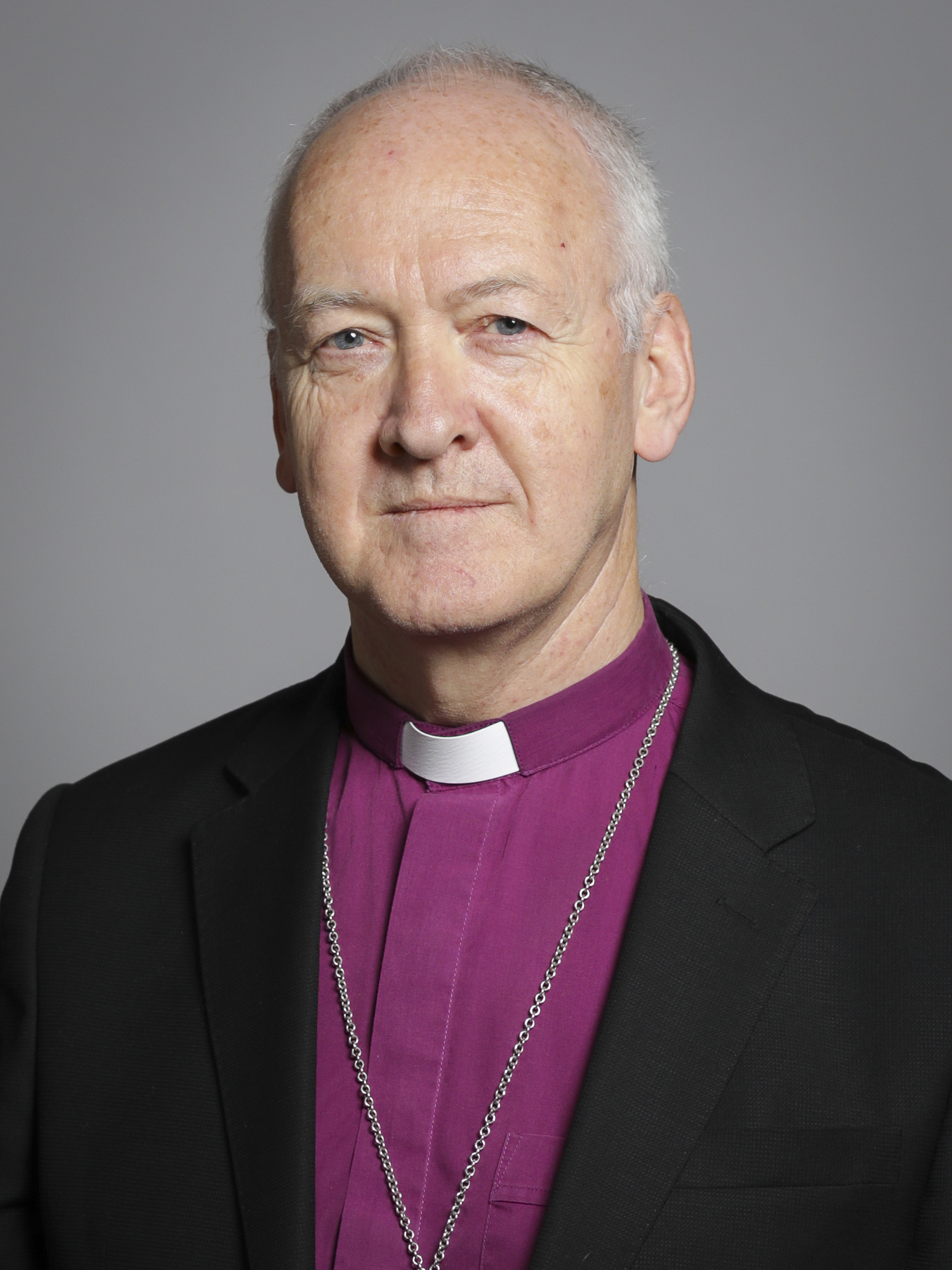
The Lord Bishop of Manchester: I rise to address Amendments 85 to 88, 90 and 92, to which my right reverend friend the Bishop of St Albans has added his name. He regrets that he is unable to be in his place today. I also have sympathy with a number of other amendments in this group.
It is a heated and emotive debate on this clause, and it was heated and emotive when it was added in the other place. The danger is that we get dragged into debates about whether abortion is morally right or wrong. Indeed, I have had plenty of emails over the past few days, as I am sure other noble Lords have, tending in that direction. As it happens, I take the view that the present law on abortion strikes a reasonable balance; in particular, it respects the consciences of women faced, sometimes with very little support, with making deeply difficult decisions.
The Bishop of Leeds received the following written answer on 16th November 2022:
The Lord Bishop of Leeds asked His Majesty’s Government what assessment they have made of (1) freedom of religion or belief, (2) freedom of assembly, and (3) freedom of expression, in Pakistan.
On 1st November 2022, the House of Lords debated the Public Order Bill in its second reading. The Bishop of St Albans spoke in the debate, highlighting concerns that the bill would grant excessive powers to the police:
The Lord Bishop of St Albans: My Lords, I think many of us in this debate will have a feeling of déjà vu. No matter how many pieces of legislation come through here granting the police additional powers, it seems that they are never enough. It seems we are always one more public order provision away from solving the problem.
Along with other noble Lords, I want to support the police and the rule of law. We are grateful for all the police do; they stand in our place and, very often, have to take very difficult decisions. But we already have the Public Order Act 1986, which grants the police powers to place restrictions on protests and to prohibit those which threaten to cause serious disruption to public order. We already have the Criminal Justice and Public Order Act 1994, which introduced the offence of aggravated trespass. We have the offence of obstruction of a highway and the Protection from Harassment Act 1997, which allows for civil injunctions to prevent protesters demonstrating in a way which causes harm or harassment. As recently as last year, remarkably extensive powers, including on noisy and disruptive protests, were granted in the Police, Crime, Sentencing and Courts Act 2022.
The Bishop of Southwark received the following written answer on 6th June 2022:
The Lord Bishop of Southwark asked Her Majesty’s Government what assessment they have made of the report by Reporters Without Borders that there have been more than 140 instances of violence by Israeli security forces against journalists in Friday protests since March 2018.
On 31st March 2022, the House of Lords debated Commons Amendments to the Police, Crime, Sentencing and Courts Bill. There were votes on several amendments, in which Bishops took part.
On 22nd March 2022, the House of Lords considered Commons amendments to the Police, Crime, Sentencing and Courts Bill. Votes were held on further amendments to the bill, in which Bishops took part.
On 17th January 2022, during a debate on the Police, Crime, Sentencing, and Courts Bill, the Bishop of Leeds spoke in support of amendments to relating to the definition of “significant” disruption caused by protests:
The Lord Bishop of Leeds: My Lords, I have a number of problems with this part of the Bill that are to do with form and content. The fact that these amendments were brought in at the stage they were seems an abuse of parliamentary scrutiny. Some of the debates we are having could have been sorted out had they been addressed in the normal way. That fits into a pattern of intimations about breaking the rule of law and the authoritarian complexion of the way in which some things are being done in, through or around Parliament. That is my problem with form.
On 17th January 2022, the House of Lords debated the Police, Crime Sentencing and Courts Bill in its report stage. Votes were held on amendments to the bill, in which Bishops took part:




 The Church of England in Parliament
You must be logged in to post a comment.