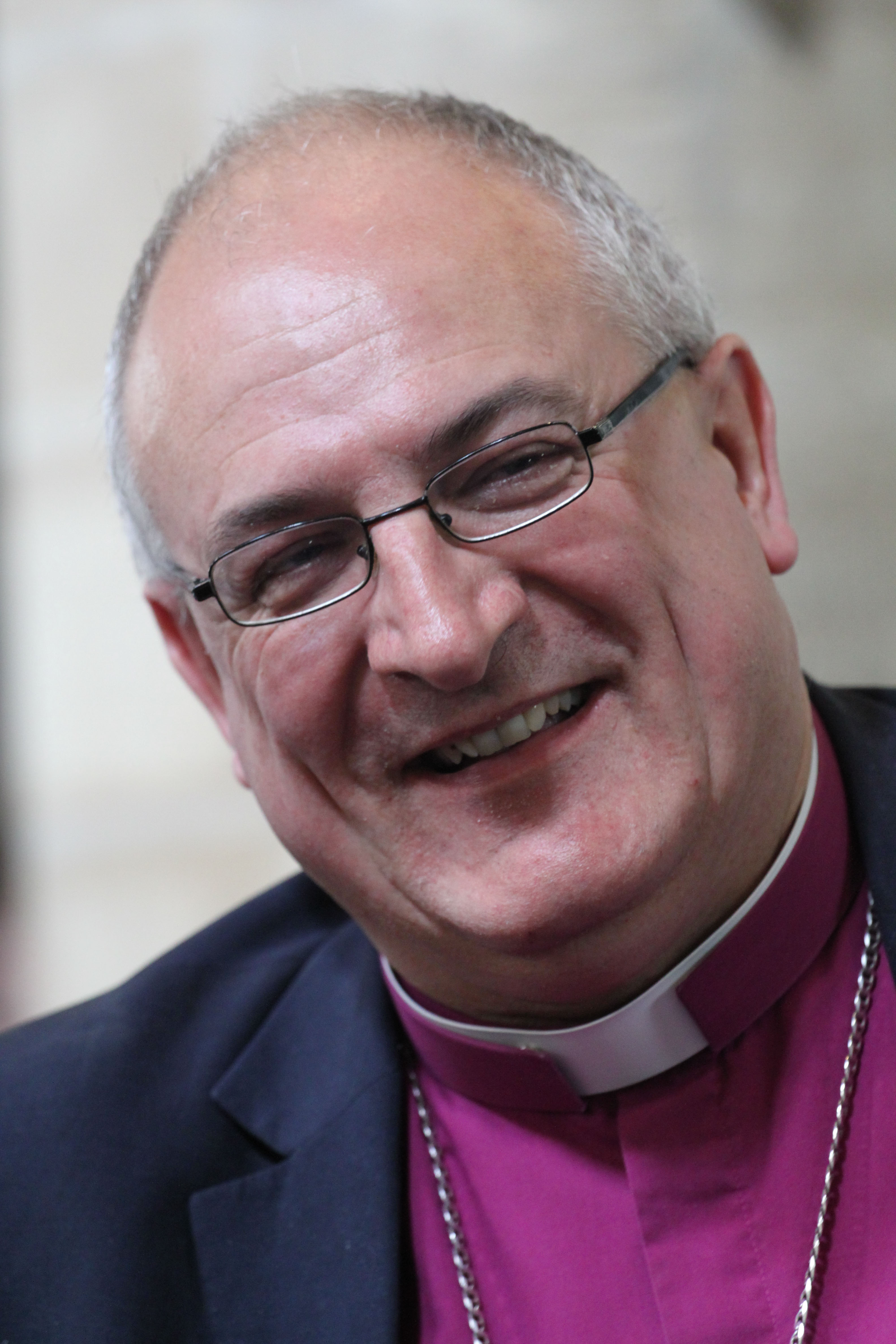
Bishop of Lincoln speaks in debate on future of British Steel

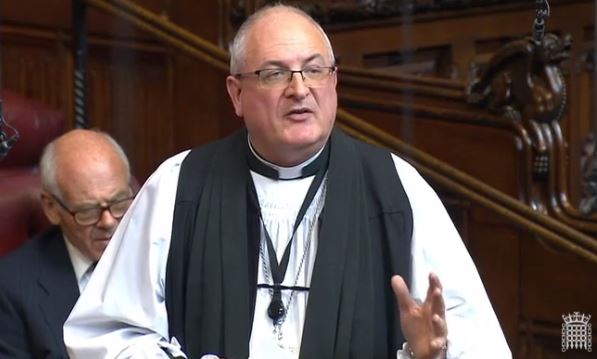
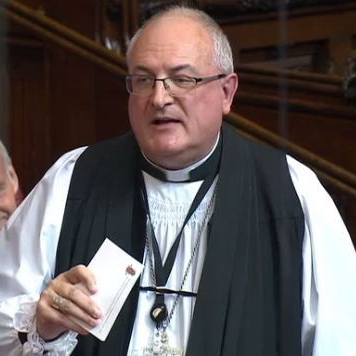
The Bishop of Lincoln spoke in an emergency debate on the future of British Steel on 12th April 2025, noting the challenges faced by communities in his diocese involved in the steel industry, and urging the government to adopt a forward-looking approach to economic planning:

The Lord Bishop of Lincoln: My Lords, I welcome the attention that the Government are paying to this matter in recognising the gravity of the situation we face. At a time of tariffs, threats to jobs and wider economic uncertainty, it is vital to safeguard the steel industry while transitioning towards a greener future. Production of steel is vital to the well-being and identity of Scunthorpe, a place I am proud to serve as bishop. That is before we consider its importance to our national infrastructure, recognising the need for connectivity through our railways in order to see one another, stimulate our economy and reduce regional disparities. Protecting these jobs and the vital work done through them required action that has not appeared to be forthcoming from private investment. I wish the Government well in their endeavours, which are not without cost.

Continue reading “Bishop of Lincoln speaks in debate on future of British Steel”

Bishop of Lincoln asks about support for farmers to register for land management schemes

The Bishop of Lincoln received the following written answer on 31st March 2025:

The Lord Bishop of Lincoln asked His Majesty’s Government what plans they have to support and incentivise farmers in England to register in environmental land management schemes.

Continue reading “Bishop of Lincoln asks about support for farmers to register for land management schemes”

Bishop of Lincoln asks about closure of Sustainable Farming Incentive

The Bishop of Lincoln received the following written answer on 28th March 2025:

The Lord Bishop of Lincoln His Majesty’s Government what steps they are taking to support farmers to manage land for both food and nature following the closure of the Sustainable Farming Incentive.

Continue reading “Bishop of Lincoln asks about closure of Sustainable Farming Incentive”

Renters Rights Bill: Bishop of Lincoln welcomes legislation and urges extension of decent homes standard

The Bishop of Lincoln spoke at the second reading of the Renters Rights Bill on 4th February 2025, welcoming the bill and urging the government to consider the extension of the decent homes standard to accommodation for in temporary and asylum accommodation:

The Lord Bishop of Lincoln: My Lords, I welcome this Bill and the commitment that the Government have made to tackling the pervasive insecurity and unaffordability of the private rented sector. I will be delighted to listen to the maiden speeches of the noble Lord, Lord Wilson, and the noble Baroness, Lady Brown.

Last week, my right reverend friend the Bishop of Chelmsford, the lead Bishop on housing, chaired a round table with a number of noble Lords and members of the Renters’ Reform Coalition. Although she is unable to be here today, I know that she is looking forward to contributing to the Bill as it progresses.

The Bill is an opportunity to strike a fairer, long-term deal that will benefit both landlords and tenants. We must heed the voices not only of tenants themselves but of landlords’ groups, which have expressed legitimate concerns about any potential negative consequences, however unintended, of the changes introduced by the Bill.

Continue reading “Renters Rights Bill: Bishop of Lincoln welcomes legislation and urges extension of decent homes standard”

Bishop of Lincoln asks about improving mental health provision in smaller and rural school settings

The Bishop of Lincoln asked a question on improving mental health provision in primary schools, particularly schools in small, rural settings, on 4th February 2025:

The Lord Bishop of Lincoln: My Lords, the Rural Mental Health report produced in the other place highlighted that

“NHS mental health services are often not fairly accessible for rural communities”,

with services largely centred in towns and cities,

“creating barriers to access, compounded by the limitations and weaknesses of rural public transport and digital connectivity”.

Continue reading “Bishop of Lincoln asks about improving mental health provision in smaller and rural school settings”

Bishop of Lincoln raises risks to family farms and food security under new budget rules

On 27th January 2025, the Bishop of Lincoln spoke in a debate on the impact of removing agricultural property relief tax, increases to national insurance, and extension of VAT to private schools on the regions and nations of the UK, raising risks to family farms and food security:

The Lord Bishop of Lincoln: My Lords, it is entirely legitimate for the Government to target rich business owners and billionaires who have bought farmland for the sole purpose of avoiding inheritance tax, However, Jeremy Moody of the Central Association of Agricultural Valuers said recently that the reform of APR

“hits the people it is supposed to protect, and protects those it is supposed to hit.

Continue reading “Bishop of Lincoln raises risks to family farms and food security under new budget rules”

Bishop of Lincoln asks about children’s rights in the education sector

The Bishop of Lincoln asked a question on children’s rights in education on 27th January 2025, during a discussion on government plans to improve children’s wellbeing and opportunities:

The Lord Bishop of Lincoln: My Lords, Article 28 of the UN Convention on the Rights of the Child recognises the fundamental right of all children to a free primary education and access to different forms of secondary education. Noble Lords may know that 1 million children are educated in Church of England schools at the moment, and the Church of England’s vision for education is rooted in a Christian ethos for the common good and the holistic well-being of every child, including those of all faiths and none. The Statutory Inspection of Anglican and Methodist Schools framework, which informs best practice in church schools, has a strong and effective focus on children’s rights in accordance with Article 28 in the UN convention. Will the Minister ensure that the substantial and compelling learnings from church schools can be highlighted and shared within her department’s ongoing review of potential reforms to current accountability measures?

Continue reading “Bishop of Lincoln asks about children’s rights in the education sector”

Bishop of Lincoln asks about impact of the two-child limit on child poverty levels

The Bishop of Lincoln received the following written answer on 6th January 2025:

The Lord Bishop of Lincoln: His Majesty’s Government what assessment they have made of the impact of the two-child limit on child poverty levels since it was introduced in 2017; and what steps the Child Poverty Taskforce is taking to address this impact.

Continue reading “Bishop of Lincoln asks about impact of the two-child limit on child poverty levels”

Bishop of Lincoln asks about measures to end child poverty

The Bishop of Lincoln received the following written answer on 19th December 2024:

The Lord Bishop of Lincoln asked His Majesty’s Government whether they intend to take forward plans to introduce a children’s wellbeing bill as mentioned in the King’s Speech; and if so, what steps they are taking to include measures to end child poverty in a given timeframe.

Continue reading “Bishop of Lincoln asks about measures to end child poverty”

Bishop of Lincoln asks about child poverty

The Bishop of Lincoln received the following written answer on 6th December 2024:

The Lord Bishop of Lincoln asked His Majesty’s Government whether they plan to introduce legally binding, time-constrained targets to eliminate child poverty as part of the Child Poverty Strategy.

Continue reading “Bishop of Lincoln asks about child poverty”