
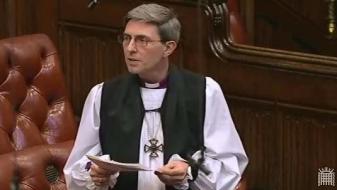
 On 15th March 2018 the Minister for Faith, Lord Bourne, repeated a statement made by the Secretary of State for Housing, Communities and Local Government on the new Integrated Communities Green Paper. The Bishop of Portsmouth, Rt Revd Christopher Foster, asked a follow up question:
The Lord Bishop of Portsmouth: My Lords, there is a great deal in this Statement and in the strategy that I welcome. It promises a big and positive difference in what the Government are doing to improve integration. It is good to see in the Green Paper initiatives such as the Near Neighbours Catalyst leadership programme, to which the Minister has recently referred. It is good to see that singled out for praise. However, there is some anxiety that Catalyst and other valuable Near Neighbours activity might have to come to an end as a result of a reduction in overall funding for Near Neighbours and the for the small grants fund. I am sure that that is far from the Government’s intention, and I wonder whether the Minister can give an assurance that he will look at the impact of any funding changes as part of the assessment of this new strategy. Continue reading “Bishop of Portsmouth welcomes Government integration strategy, raises concern about Near Neighbours funding”
 n 6th December 2016, Lord Bourne repeated a Government statement made in the House of Commons about the review published by Dame Louise Casey. The Bishop of Winchester, the Rt Revd Tim Dakin, welcomed the review and commended programmes such as Near Neighbours for their potential to help social integration.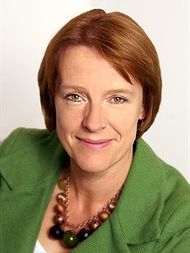

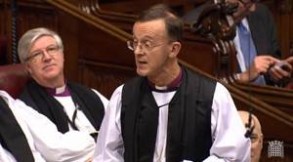 On the 27th January 2016 Lord Pearson of Rannoch asked the Government “what assessment they have made of the risk that Christians could be recorded as having committed an anti-Muslim hate crime from April 2016 by preaching the divinity of Christ or by reading aloud sections of the Bible in public, such as 1 John, Chapter 4, verses 1 to 3.” The Rt Revd John Inge, Bishop of Worcester, asked a follow-up question criticising the phrasing of Lord Pearson’s question and highlighting the contribution of religion to the enrichment of public life. The transcript in full is available below.

 The Church of England in Parliament
You must be logged in to post a comment.