
The Bishop of Gloucester spoke during tributes to the departing Clerk of Parliaments, Ed Ollard, on 13th April 2021, thanking him for his service and welcoming the new Clerk, Simon Burton, to the role:
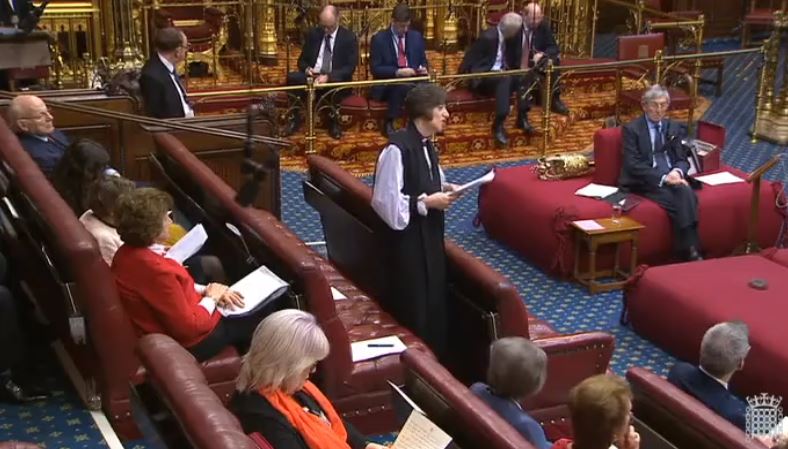
The Lord Bishop of Gloucester: My Lords, I am very glad that I do not have to answer those questions, because I do not know the answers. However, I want to add a few words from these Benches, paying tribute on behalf of the Lords spiritual. My colleagues and I have greatly benefited from Ed Ollard’s sound judgment, diligent support and practical guidance in his time as the Clerk of the Parliaments. We on these Benches are immensely grateful for his calm and steady stewardship during, as others have said, this very unpredictable time. Navigating a unique transition to a hybrid Parliament, the role of the Clerk of the Parliaments has been challenging. He has met it head on, and it is a testament to his adaptability that your Lordships’ House has functioned so well and effectively during this pandemic. We warmly welcome Simon Burton to the role and very much look forward to working with him, but today, we want to say a huge “thank you” to Ed Ollard and to wish him all the best for the future.
 The Lord Bishop of Rochester: My Lords, I join other noble Lords in thanking the noble Lord, Lord Harris, for bringing forward this debate and for his characteristically robust, thoughtful, clear and evidenced introduction. I also thank other noble Lords for their contributions. I look forward to reading in the Official Report what the noble Lord, Lord Parekh, has just said, because there is a lot to reflect on.
 Dame Caroline Spelman (Meriden) (Con): I am grateful to my right hon. Friend for giving way—she is getting a lot of requests. On the subject of decanting, and just for the record—I will speak to this later—the House should know that until very recently there was a contract with Church House, under which, should we have needed to decant at short notice in an emergency, which can happen at any time, Church House had always stood ready to accommodate Parliament, as it did during the second world war.
 On 29th November 2016, Lord Greaves asked Her Majesty’s Government “what assessment they have made of the case for moving Parliament and central departments to the north of England.” The Bishop of Chester, the Rt Revd Peter Forster asked a follow up question.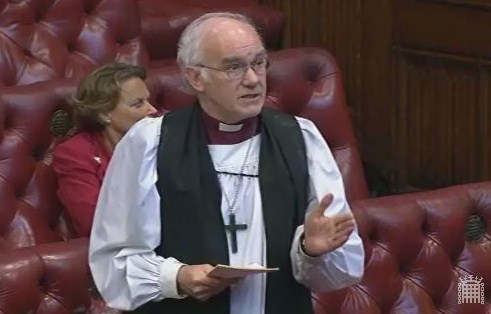


 The Church of England in Parliament
You must be logged in to post a comment.