
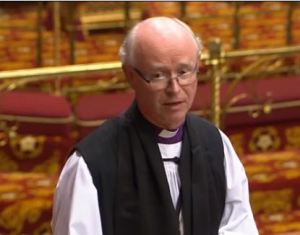
 On 7th May 2019 Baroness Williams of Trafford repeated a Statement by the Home Secretary on protective security funding for places of worship. The Bishop of Rochester, Rt Revd James Langstaff, responded to the statement:
The Lord Bishop of Rochester: My Lords, I too am very grateful to the Minister for repeating the Statement from the other place. From these Benches, I welcome it and echo some of the things that have already been said by the noble Lord, Lord Rosser, and the noble Baroness, Lady Hamwee, not least about the wider context, although I recognise that this Statement has a limited focus.
The Minister has already observed the tragic events in Christchurch, Sri Lanka and San Diego. It seems to me that one of the learnings from those events is the impossibility of predicting where, or even when, a dreadful event might occur. With that in mind, I am particularly grateful for the broadening of the eligibility criteria in relation to potential grants from the fund, whereby it is now not necessary for places of worship to have experienced an incident of hate crime in order to make an application. That is an important loosening around the unpredictability of where things might occur.
Continue reading “Bishop of Rochester welcomes protective security funding for places of worship”
 The Lord Bishop of St Albans:
 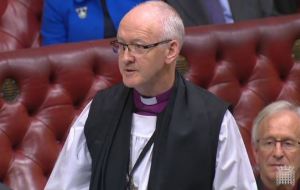 The Lord Bishop of Leeds: My Lords, my diocese, the diocese of Leeds, has had a link with Sri Lanka for nearly 40 years and I am in daily contact with the church out there. I urge the Minister and the Foreign Office to take seriously the difference between ethnic and religious strife, because we cannot always draw a straight line from people being of different religious practice or conviction to particular actions. The civil war, for example, was much more complex than is sometimes represented outside Sri Lanka. What has happened in the last few days is very different; it is international. We need to understand more about the impact on the Muslim community in Sri Lanka, as it has not been a pleasant experience for them. It is not quite as simple as we sometimes think, and I would urge caution in the way that we represent the current issue.
 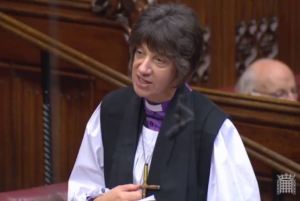 On 9th April 2019 the Bishop of Gloucester, Rt Revd Rachel Treweek, received written answers to two questions about asylum decisions and consultation with religious communities:
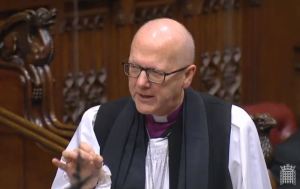 The Lord Bishop of St Albans: To ask Her Majesty’s Government what is their current assessment of freedom of religion in China.
 The Lord Bishop of Worcester: My Lords, the noble Baroness’s Question is about much more than meat. It was Lord Acton who wrote that religious freedoms are the foundation of political freedoms. Is it not true that the debate for which the noble Baroness is calling is very relevant, despite the record to which the Minister has drawn attention and of which we can be proud? Religious groups are feeling caught between the views of the majority in all sorts of situations and their own religious observance and conviction.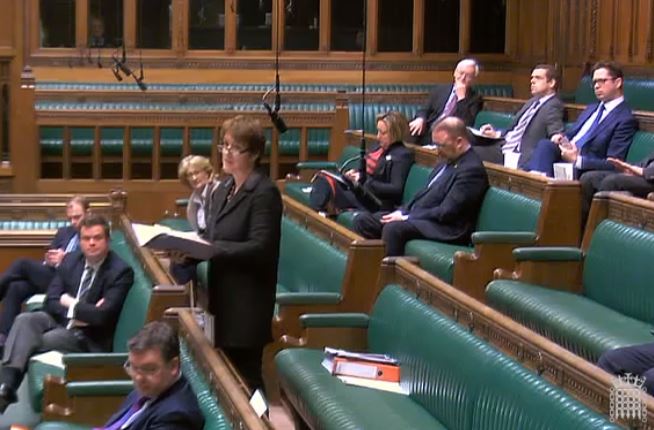
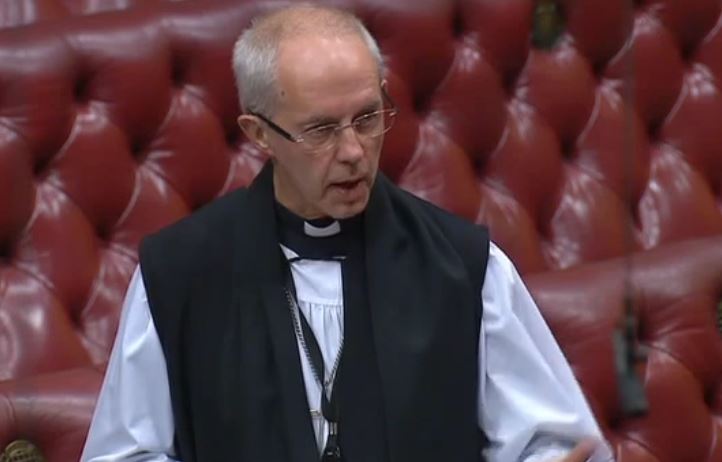 The Archbishop of Canterbury: My Lords, I am grateful to the noble Lord, Lord Bourne, and others who have made this useful and important debate possible. Like the noble Lord, Lord Hain, I agree with much of what the noble Lord, Lord Bourne, said. I agree also with the passionate and clear setting out by the noble Lord, Lord Hain, of the threats and incidents that have occurred in recent years. However, I want to focus more on religious intolerance and prejudice. If I have one concern, it is how we bring together religious tolerance, and stand against the kind of things the noble Lord, Lord Hain, spoke about, while maintaining freedom of speech.
 The Lord Bishop of St Albans: My Lords, the reported atrocities against the Rohingya have been described as crimes against humanity, ethnic cleansing and genocide. What assessment have Her Majesty’s Government made as to whether the human rights violations in Kachin and Shan states meet the criteria of at least crimes against humanity and war crimes?
  The Lord Bishop of Coventry: My Lords, following on from that question, the Minister will be aware of the gathering at Lambeth Palace at the moment convened by my most reverend friend the Archbishop of Canterbury, which is bringing together parliamentarians and religious leaders from across the Commonwealth to help them work on good local practice. Would not the sort of director-level appointment mentioned in the Question to increase capacity help Her Majesty’s Government to partner with such initiatives to take them on to the next stage and provide co-ordination across the Commonwealth?
  The Church of England in Parliament
You must be logged in to post a comment.