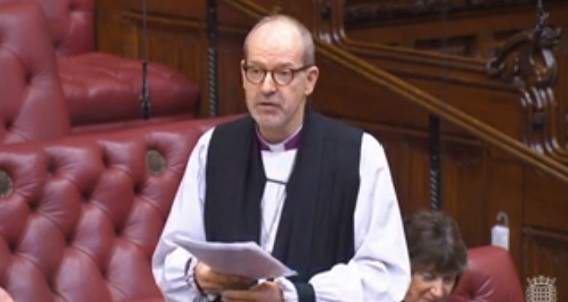
The Bishop of Hereford also spoke at the second reading of the Representation of the People Bill on 14th September 2026, raising the issue of technological deepfakes being used to undermine the democratic process:
The Lord Bishop of Hereford: My Lords, I join a number of noble Lords who have raised the issue of deepfakes in electoral campaigning. I am pleased to be supported in this by my right reverend friend the Bishop of Leicester, who is, unfortunately, unable to be here today. It is regrettable that the Bill does not address the growing challenge to our democracy posed by deepfakes. Democracy depends not only upon the integrity of our electoral processes but upon the integrity of the information environment in which those processes operate, as the noble Lord, Lord Sahota, powerfully reminded us. Voters must be able to know when political content has been generated or materially altered by artificial intelligence. Without that assurance, it becomes harder for citizens to distinguish truth from fabrication, and easier for bad actors to manipulate democratic debate.
Deepfakes pose a distinct challenge to our democracy because they erode the trust on which democratic life depends. They diminish confidence in what voters see and hear, weakening our shared basis for public deliberative discourse. Ofcom research from 2024 found that 57% of respondents were concerned about the impact of deepfakes during the general election; almost half reported that they did not know if they had seen one in the previous week, and a quarter reported that they had.
Continue reading “Representation of the People Bill: Bishop of Hereford raises threat of AI deepfakes”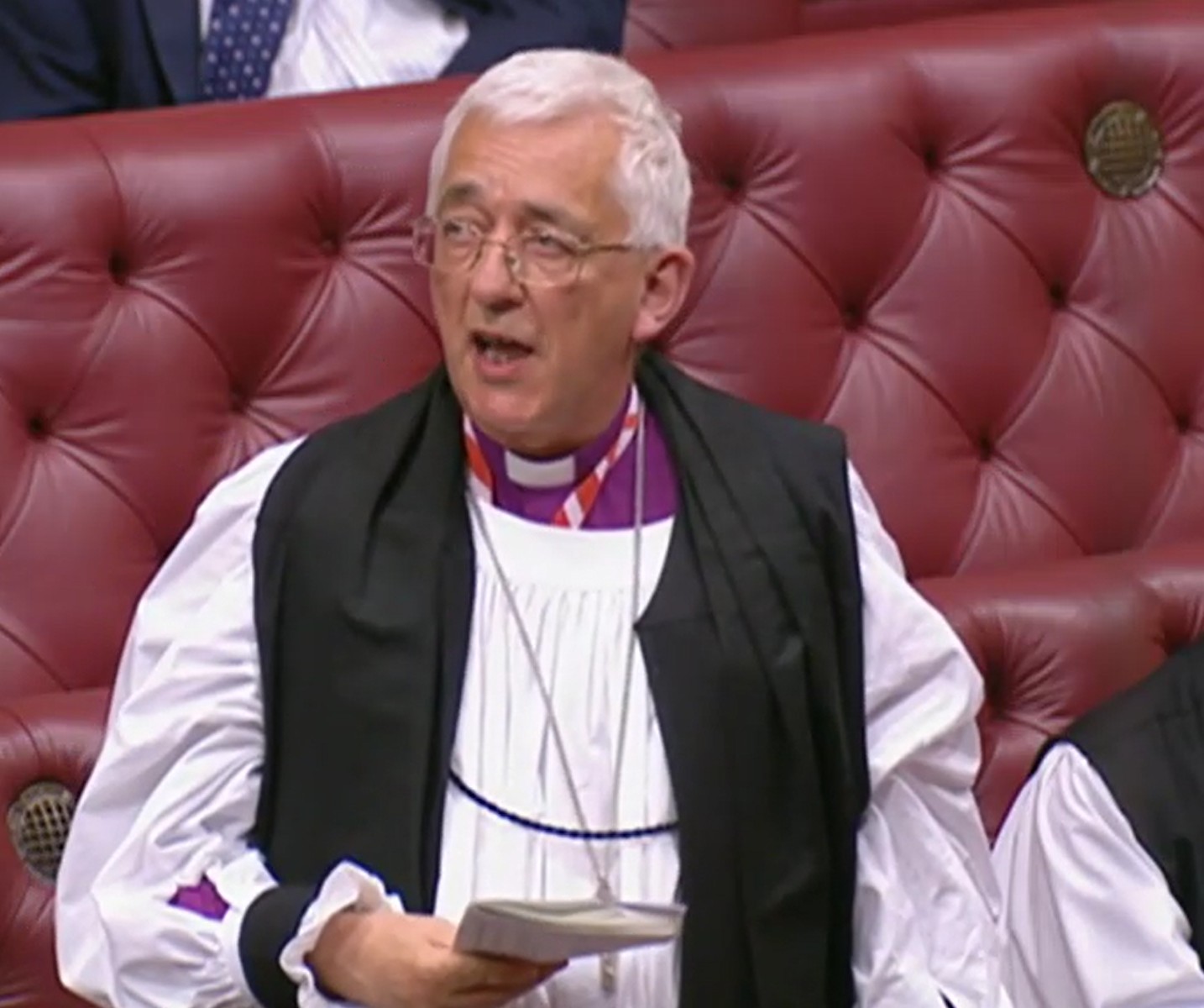


You must be logged in to post a comment.