Bishop of St Albans says uncertainty and insecurity faces British farming as a result of Brexit

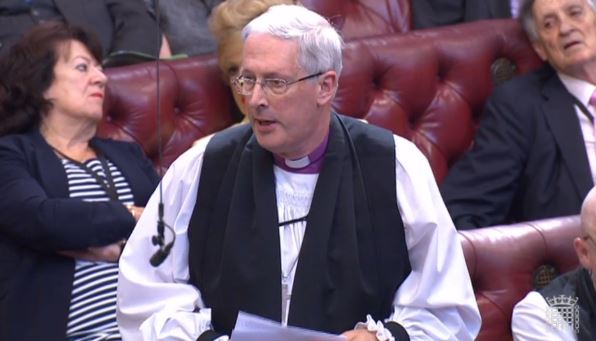
St Albans 2On the 21st July 2016 Baroness McIntosh of Pickering held a debate about “the impact on British farmers of the decision to leave the European Union.” Rt Revd Dr Alan Smith, Bishop of St Albans asked the Government to help to cultivate a culture of appreciation among the British public towards British farming. Lord Gardiner of Kimble responded for the Government and his comments can be found below.

The Lord Bishop of St Albans: My Lords, I too thank the noble Baroness, Lady McIntosh, for this debate. I share the delight of other Members of this House that in the recent reshuffle it was neither an exit nor a Brexit but a clear remain vote for the Minister, and not only that but a promotion, so we are delighted and thank him.

Whatever our opinions on Brexit, it is undeniable that British farming faces a period of uncertainty and insecurity. While it is true that the decision to leave the EU will bring some new opportunities for British agriculture in the long term, it is clear that there are substantial challenges ahead. Agriculture is more intimately connected to the European Union than any other UK sector, and the process of unpicking that relationship must be done with utmost care. Continue reading “Bishop of St Albans says uncertainty and insecurity faces British farming as a result of Brexit”
Bishop of St Albans asks about delays in farm payments

On 20th July 2016 the Earl of Shrewsbury asked Her Majesty’s Government “what progress has been made to rectify delays in payments from the Single Farm Payment Scheme.” The Bishop of St Albans, Rt Revd Alan Smith, asked a follow up question:

St Albans 2The Lord Bishop of St Albans: My Lords, those of us in touch with the farming community are deeply aware of the 13,000 cases that are being reassessed at the moment, and we are grateful for what is being done to expedite that. The important question is: how will the system be reviewed and resourced so that this does not happen in future years? Can the Minister assure us that something is being done to guarantee that we have a better system? In particular, will he reconsider appointing a specific case worker for each application to try to see them through? Continue reading “Bishop of St Albans asks about delays in farm payments”

Bishop of St Albans asks about affordable housing in rural and coastal areas

St Albans 2On 19th July 2016 Lord Shipley asked Her Majesty’s Government “what assessment they have made of their ability to achieve their target of one million new homes by 2020.” The Bishop of St Albans, Rt Revd Alan Smith, asked a follow up question:

The Lord Bishop of St Albans: My Lords, the 2015 spending review announced £60 million of grants to respond to the problem caused by second home ownership in areas with desirable coastal and rural housing. The aim was to provide affordable housing in perpetuity for local families who would otherwise be priced out of market. We were expecting an announcement on that but certain events intervened recently. Can the Minister assure us that this will go ahead and when it will come on stream? Continue reading “Bishop of St Albans asks about affordable housing in rural and coastal areas”

Bishop of St Albans asks about secure tenancies for young farmers

St Albans 2On 14th July 2016  Baroness Byford asked Her Majesty’s Government “what progress they have made in increasing the number of apprenticeships within the rural economy.” The Bishop of St Albans, Rt Revd Alan Smith, asked a follow up question:

The Lord Bishop of St Albans: My Lords, despite record numbers of graduates from agricultural colleges and some interesting rural apprenticeships, it is proving almost impossible for young farmers to get a tenancy unless it is by inheritance. What plans do Her Majesty’s Government have to offer additional support to young farmers to secure tenancies, such as the young entrants’ schemes in place in Scotland and Wales—or is there something else we could do to address this serious problem as we seek to get a new generation of farmers? Continue reading “Bishop of St Albans asks about secure tenancies for young farmers”

Bishop of St Albans highlights challenges to the rural economy outside the EU

“We can create all the life chances we like, but that is futile if families cannot afford to put food on the table” – Bishop of St Albans, 7/7/16

On 7th July 2016 the House of Lords debated a motion from Lord De Mauley, “That this House takes note of the current and future roles agriculture and horticulture play in Britain’s rural economy and the role that advances in agricultural science can play in the further development of that sector.” The Bishop of St Albans, Rt Revd Alan Smith, spoke in the debate:

StAlbans171115The Lord Bishop of St Albans: My Lords, I add my thanks to those from other noble Lords to the noble Lord, Lord De Mauley, for securing this important debate at this time of significant uncertainty for the agricultural and horticultural sectors. I also declare my interest in the register as president of the Rural Coalition.

As noble Lords have already stated, the agricultural and horticultural industry is an essential feature not only of the rural economy but of the wider national economy. It is often said in this Chamber that the defence of the people is the first duty of government, but I wonder whether feeding the people should be an equally primary duty. Establishing food security is an essential role of all Governments, never more so than in the current climate of global uncertainty. Continue reading “Bishop of St Albans highlights challenges to the rural economy outside the EU”

Bishop of Ely on the challenges for the UK following the EU referendum

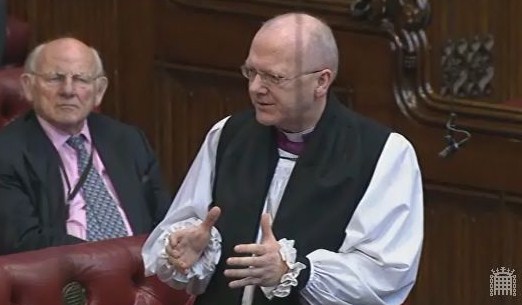
On 5th July 2016 the House of Lords debated a motion to take note of the result of the referendum on the UK’s membership of the European Union. The Bishop of Ely, Rt Revd Stephen Conway, spoke in the debate, focusing on leadership, common values, education and the rural workforce.  

Ely 2The Lord Bishop of Ely: My Lords, I cannot match that passion, but I join other noble Lords in saying how much I appreciated the speech earlier of our boss—I mean of my friend, the most reverend Primate the Archbishop of Canterbury. He and I have both worked in the north-east and been welcomed by the people of that area, many of whom voted to leave, just as people in fenland in my current diocese and people in east Kent, beloved of the most reverend Primate, did. These people were not, it seems to me, voting against the European Union but were making a great cry—a lament—about not having been heard for several generations by us, the political class. This was their opportunity to make us listen, after feeling excluded for so long. Continue reading “Bishop of Ely on the challenges for the UK following the EU referendum”

Bishop of Southwark asks about improving access to help for victims of domestic violence in rural areas

On 24th May 2016 Baroness Stedman-Scott asked Her Majesty’s Government “what steps they are taking to help families in rural communities experiencing domestic abuse and other relationship problems.” The Bishop of Southwark, Rt Revd Christopher Chessun, asked a follow-up question:

SouthwarkThe Lord Bishop of Southwark: My Lords, following on from that point about isolation, with rural areas often isolated from dedicated support services, local clergy can be particularly well placed to act as a conduit between victims and the relevant authorities. Can the Minister inform the House whether any steps are being taken to provide training to local professionals in rural communities, such as clergy and GPs, to help improve reporting and communication and to ensure that victims receive the help they need? Continue reading “Bishop of Southwark asks about improving access to help for victims of domestic violence in rural areas”

Bishop of St Albans asks Government about action to prevent fly-tipping

On 12th May 2016 the Bishop of St Albans, Rt Revd Alan Smith, received written answers to questions of Government about fly-tipping:

St Albans 2The Lord Bishop of St Albans: To ask Her Majesty’s Government what assessment they have made of the levels of fly-tipping on private land across the UK in each of the last five years. [HL8278]

Lord Gardiner of Kimble: Fly-tipping is unacceptable whether it occurs on public or private land, it spoils our enjoyment of the countryside, can harm human health and wildlife, and damage farming and rural tourism. It also undermines legitimate waste businesses where unscrupulous operators undercut those that operate within the law and is a drain on both local authorities and landowners that clear it up. Tackling this scourge and other forms of illegal waste activity is a priority for the Government. Continue reading “Bishop of St Albans asks Government about action to prevent fly-tipping”

Bishop of St Albans asks Government about challenges for rural areas when small schools become academies

On 28th April 2016 the Bishop of St Albans, Rt Revd Alan Smith, asked an oral question in the House of Lords on the challenges facing rural schools in conversion to academy status. The transcript of the answer, his follow-up question and those of other members is below.

The Lord Bishop of St Albans: To ask Her Majesty’s Government what assessment they have made of the challenges to be faced by small rural schools in the conversion to academy status.

Bishop of St AlbansThe Parliamentary Under-Secretary of State, Department for Education (Lord Nash) (Con): My Lords, we fully recognise the challenges faced by small rural schools and are committed to supporting them; for instance, they will each have a named adviser in the conversion process. Many rural schools have been underfunded through an unfair system. Our new national funding formula will match funding to need and reflect their unique circumstances, ensuring that they remain at the heart of their communities.

The Lord Bishop of St Albans: I thank the Minister for his response and for those details. However, does he recognise that this is about not just the viability of rural schools but the viability and sustainability of whole rural communities, given the important role that schools play in attracting and retaining workers in rural areas? Many people are concerned that, if rural schools are put into multi-academy trusts, those trusts will not have the same obligation to take into account the wider issues of rural sustainability; indeed, there may be huge pressure for mergers and closures based simply on finance and nothing else. In the light of that, can the Minister tell us what the Government intend to do to prevent that happening? Continue reading “Bishop of St Albans asks Government about challenges for rural areas when small schools become academies”

Bishop of St Albans on the importance of affordable housing, broadband and innovation to the rural economy

Bishop St Albans June 2015On the 27th April 2016, Baroness McItosh of Pickering led a Lords debate “to ask Her Majesty’s Government what is their assessment of the state of the rural economy.” The Bishop of St Albans, Rt Revd Alan Smith,  highlighted the need for more affordable housing, business innovation and greater access to broadband and mobile coverage. 

The Lord Bishop of St Albans: My Lords, my thanks go to the noble Baroness, Lady McIntosh, for securing the debate. I will focus on three areas that I believe are crucial to creating a strong, dynamic rural economy.

First, I underline the importance of affordable housing in creating sustainable rural communities at a time when rural house prices continue to be pushed well beyond the reach of many local residents. A failure to provide for local people and local families to live and work in rural areas leaves the rural economy seriously inhibited. An affordable housing supply, available to local workers on low and middle incomes, is an essential feature of the rural economy, providing homes, and, in many cases, workplaces for those who would work in rural areas. Continue reading “Bishop of St Albans on the importance of affordable housing, broadband and innovation to the rural economy”