
On 15th July 2021, the House of Lords debated amendments to the Skills and Post-16 Education Bill in the second day of the committee stage. The Bishop of Durham spoke in favour of amendments 41 & 43, which would clarify language around provision for special educational needs & disabilities and require that further education settings regularly review their SEND offer:
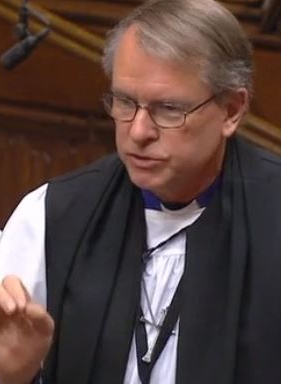
The Lord Bishop of Durham: My Lords, I first need to declare my interest as chair of the National Society. I should also apologise that I was unable to take part in Second Reading because of other engagements; my noble friend the Bishop of Leeds spoke in my stead. I also need to apologise for a complete error on my part in not being available to speak to Amendment 11, to which my name was added, during day one of Committee; that was entirely an administrative error at my end.
However, I now enter into the debate on a very small matter, on Amendment 41, on which I simply want to endorse the comments made by the noble Lord, Lord Addington, about the phrase “from time to time”. The language seems too loose. The word “regularly” implies something more frequent without expressing exactly what that regularity is. Put simply, regular review that connects with potential changing local needs makes good sense. The amendment simply tightens this up.
Continue reading “Skills and Post-16 Education Bill: Bishop of Durham speaks in favour of amendments on SEND provision in further education”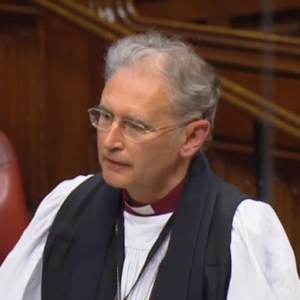 The Lord Bishop of Coventry: My Lords, several heads in Coventry and Warwickshire have told me about the heavy demands on their energies and budgets from, to quote one primary head, children who are not on the SEN register but face horrific circumstances at home and so need extra help; for example, families who are homeless through domestic violence and children whose mental health is so poor—these are nine year-olds—that they threaten suicide. Does the Minister recognise the pressures on schools in mainstream education from children who do not meet the thresholds of special needs but who nevertheless have severe needs and require acute support? Is he confident that there is sufficient funding for them?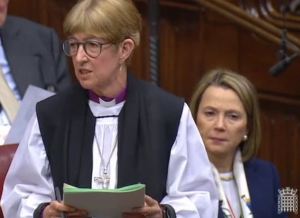
 The Lord Bishop of Ely: My Lords, I understand that the purpose of the 2014 set of reforms was to ensure a holistic approach by health, education and social care services in the support of children with special needs and of their families. But when appeals take place, I understand that it is not uncommon for social care services to say that they do not know the child. Are the Government ensuring proactive co-operation between health, social care and education services in supporting such children and their parents?
 On 29th November 2018 Baroness Morris of Yardley led a debate in the Lords on the motion “That this House takes note of the impact on schools of Her Majesty’s Government’s approach to school funding.” The Bishop of Worcester, Rt Revd John Inge, spoke in the debate:
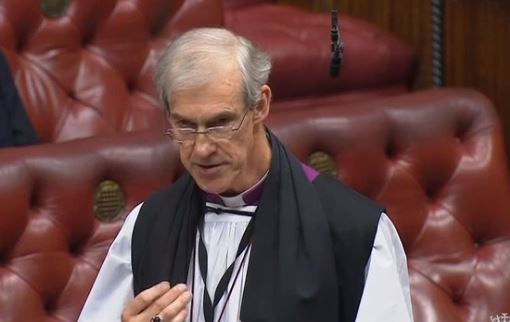 On 4th June 2018 Lord Storey asked Her Majesty’s Government “what assessment they have made of the impact of education, health and care plans on children with special educational needs.” The Bishop of Carlisle, the Rt Revd James Newcome, asked a follow up question: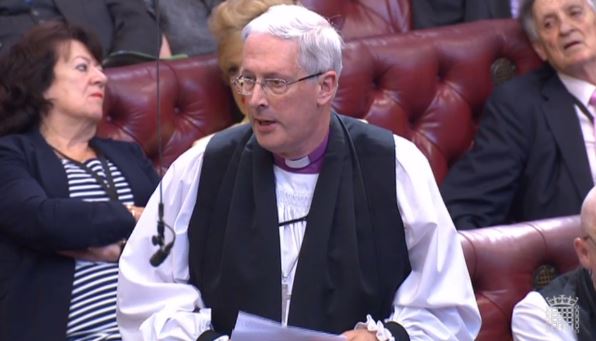
 The Church of England in Parliament
You must be logged in to post a comment.