
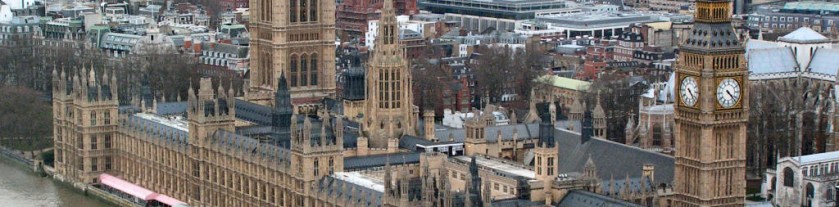
 Parliament met this week, in Westminster and online.
The Bishop of Derby began each sitting day in the Lords with prayers, spoke in a debate on the COVID-19 recovery strategy and asked Government about protecting children from online harms.
The Bishop of Oxford also spoke in the debate on the COVID-19 recovery strategy, on the need for digital access for all.
The Bishop of Worcester asked Government whether G20 countries would write off the debts owed by the world’s poorest countries.
The Bishop of St Albans spoke in a debate on the Government’s Agriculture Bill, and asked questions on child poverty, and business rates for small high street shops.
The Bishop of Carlisle asked Government when routine health checks for the over-75s would resume, the Bishop of Gloucester asked about COVID-19 levels in immigration removal centres, and the Bishop of Rochester asked about the same in prisons.
In the House of Commons the Second Church Estates Commissioner answered a written question on plans for reopening of church buildings for individual prayer.
 The Lord Bishop of Derby: My Lords, I thank the noble Baroness, Lady Hayman, for securing this vital debate. The coronavirus pandemic has disrupted the life of every child in this country. Many of their households face reduced income, irregular working hours, increasing debt, greater risk of online harm, growing concern over mental health and well-being, and increased prevalence of domestic violence. Already vulnerable children have been made all the more at risk.
  The Lord Bishop of Oxford: My Lords, I warmly welcome this debate. The country faces the triple challenge in the next decade of the threat of climate change, the deepest recession for generations and the health challenges of Covid, all of which will exacerbate existing inequalities. I support much of what other noble Lords have said and will focus my remarks on the vital theme of digital inclusion.
 The Lord Bishop of Derby: My Lords, I echo the concern about the Government’s lack of progress in introducing the measures outlined in their online harms White Paper. The BBFC report found that children are increasingly using pornography as an educational tool, which appears to be normalising such access in childhood. That means that, particularly during the lockdown, there is an increased risk of children being exposed to harmful content.



You must be logged in to post a comment.