 On 25th June 2019 the Bishop of St Albans asked the Government “what assessment they have made of the impact of weapons exported from the United Kingdom to Saudi Arabia on the conflict in Yemen”. The Lord Bishop, Rt Revd Alan Smith, then asked a follow-up question:
Earl of Courtown (Con): My Lords, Her Majesty’s Government take their arms export responsibilities seriously. We draw on a range of sources in making assessments, including from NGOs and international organisations which detail political and humanitarian developments in Yemen. We also consult regularly with colleagues at our overseas missions and in other government departments to ensure that we have all the relevant information to make an informed decision.
Bishop of St Albans: I thank the Minister for his reply. I was given an assurance in a past written response to a Question that every sale of arms from the UK undergoes a rigorous assessment in the light of serious violations of international humanitarian law. Yet in 2018 a Minister in the other place said:
“The MOD does not investigate allegations of IHL violations”,
and in 2016, as evidenced in the Court of Appeal last week, the decision was made that there would be no assessment of past violations of international humanitarian law with regard to Saudi Arabia. Can the Minister clarify whether international humanitarian law is taken into consideration when selling weapons?
Continue reading “Bishop of St Albans asks Government about British arms exported to Saudi Arabia used in Yemen conflict”

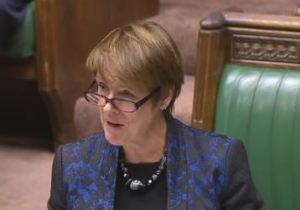 On 1st July 2019 the Second Church Estates Commissioner, Rt Hon Dame Caroline Spelman MP, answered a written question from Sir Oliver Heald (North East Hertfordshire) on lead theft from churches:
 The Lord Bishop of St Albans: My Lords, I too am grateful to the noble Lord, Lord Paddick, for obtaining this debate and for his excellent analysis of some of the causes and, indeed, the work that has been done on how we might address them, which is a holistic approach. I am also delighted that a number of experts in policing are speaking in this debate. I come to this with little knowledge of that, but I have knowledge through the 136 schools in my diocese—I have been to two this week—and in many of the urban areas across Bedfordshire and Hertfordshire, which seek to bring together groups of young people to reflect on how this can be addressed.
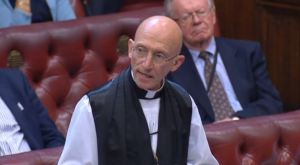 The Lord Bishop of Chichester: My Lords, any reduction in higher education funding is likely to have a particular impact not merely on teaching and student contact time but on the very future of smaller institutions, such as the Cathedrals Group universities. Does the Minister agree that, as the Government consider reforms, they need to take into account, first, the effect of those reforms on the diversity of the sector and, secondly, their impact on particular localities? Chichester, for example, is the only university in West Sussex. A threat to its funding would seriously damage its contribution to the regeneration of the disadvantaged coastal areas that it serves.
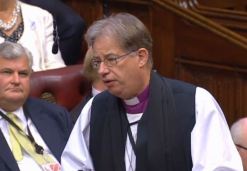 On 26th June 2019 Lord Bird asked the Government, “by what means, if at all, they require public bodies to act, and to demonstrate how they act, in a manner which seeks to ensure that the needs of the present generation are met without compromising the ability of future generations to meet their own needs.” The Bishop of Oxford, Rt Revd Steven Croft, asked a follow-up question:
 On 25th June 2019 Lord Dubs asked the Government “
 On 25th June 2019 during Foreig Office Questions, the Second Church Estates Commissioner, Rt Hon Dame Caroline Spelman MP, asked the Foreign Secretary about diplomats and religious literacy:

You must be logged in to post a comment.