
 On 22nd November 2017 Lord Lennie asked Her Majesty’s Government “what action they have taken to address the concerns raised in the Social Mobility Commission’s State of the Nation report published in November 2016.” The Bishop of Coventry, Rt Revd Christopher Cocksworth, asked a follow up question:
The Lord Bishop of Coventry: My Lords, on my visits to primary schools in Coventry in Warwickshire, I am often struck by head teachers in poorer areas telling me that they cannot help their children without also helping the families, who often face very complex issues. The Minister referred to the opportunity areas. Can he confirm that there is a plan to involve parents and guardians in that work of uplift and that there will be help for head teachers in that task? Continue reading “Bishop of Coventry asks about role of schools in helping disadvantaged families”

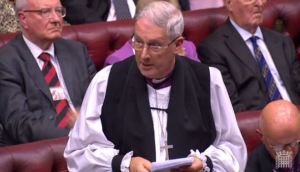 The Lord Bishop of Southwark:
  On 21st November 2017 the Bishop of Oxford, Rt Revd Steven Croft, received a written answer to a question on food banks:
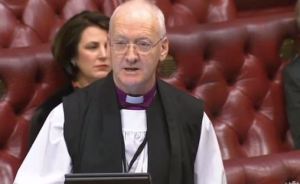 On 20th November 2017 Baroness Doocey asked Her Majesty’s Government “what assessment they have made of the impact that the United Kingdom’s exit from the European Union Open Skies Agreement would have on the United Kingdom’s tourism industry.” The Minister was unable to give a clear commitment to deal with aviation separately and in advance of the main negotiations with the EU on Brexit, so the Bishop of Leeds, Rt Revd Nick Baines, asked a follow up question:
 On 20th November 2017 the Bishop of Leeds, Rt Revd Nick Baines, received two written answers to questions on religious freedom and the 2018 Commonwealth Summit:
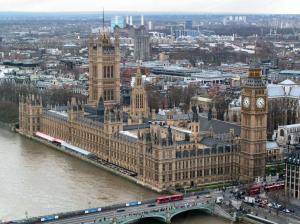 This week in the House of Lords bishops led debates on rising household debt and the freeze on benefits and spoke in other debates on universal credit and education funding. They asked questions about Zimbabwe, new housing, freedom of religion and belief, Saudi Arabia, human rights, and cathedrals.
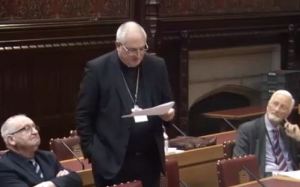 The Church has, down the centuries, provided a constant yet adaptable force in education. The Church of England recently produced a new vision for education, two pillars of which are dignity and hope. As the ultimate aim of our schools is to promote human flourishing, we are particularly concerned—particularly in our emphasis on supporting schools in areas of disadvantage—to enable every child to fulfil his or her aspirations, and indeed to be given the opportunity to have any aspirations in the first place.
  The Church of England in Parliament
You must be logged in to post a comment.