
On Saturday 6th May 2017 the Archbishops of Canterbury and York published a pastoral letter to the parishes and chaplaincies of the Church of England, about the General Election of 8th June.
The Archbishops urged people to set aside “apathy and cynicism” and to draw new inspiration from the ancient Christian virtues of “love, trust and hope”.
The three-page letter, intended to be shared in churches from 7th May onwards, encouraged voters to remember Britain’s Christian history and heritage as well as a concern for future generations and God’s creation as they make their decisions.
Following divisions of recent years, it called for reconciliation drawing on shared British values based on cohesion, courage and stability.
It upheld marriage, family and households as the building blocks of society which should be “nurtured and supported” as a “blessing”.
At a time when political differences may be felt more intensely than ever, the Archbishops insisted that Christians’ “first obligation” during the election and beyond is to pray for those standing for office and recognise the personal costs and burdens carried by those in political life and by their families.
But Christians also have a duty to play an active part in the process, they added. Continue reading “General Election 2017: Archbishops issue election letter”
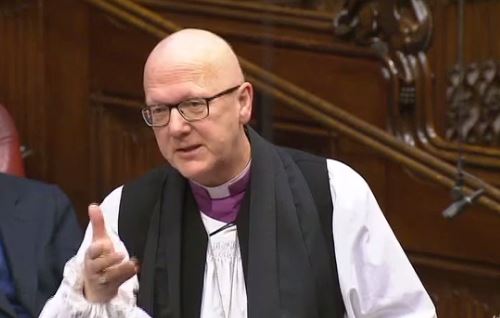


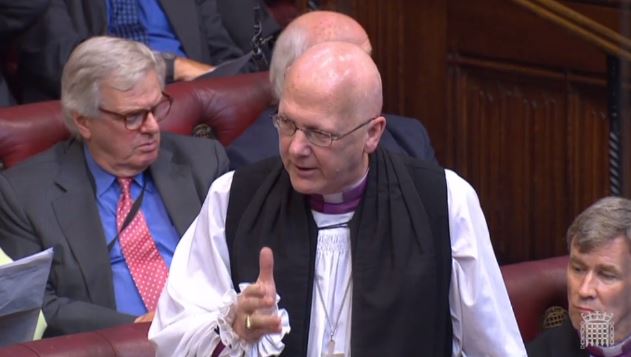
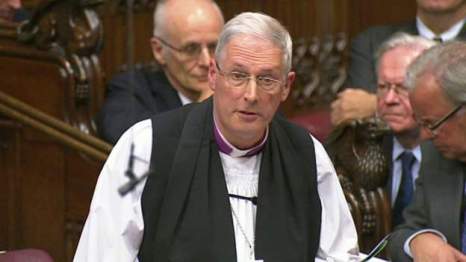 On 25th April 2017, Lord Oates asked Her Majesty’s Government “what measures they intend to take to promote United Kingdom–Africa trade and development co-operation in the transitional and post-Brexit periods.” The Bishop of Southwark, the Rt Revd Christopher Chessun, asked a supplementary question:
 On 24th April 2017, Baroness Evans of Bowes Park led the House in paying tribute to the retiring Clerk of Parliaments, Sir David Beamish. The Bishop of Southwark, Rt Revd Christopher Chessun, spoke on behalf of the Lords Spiritual.
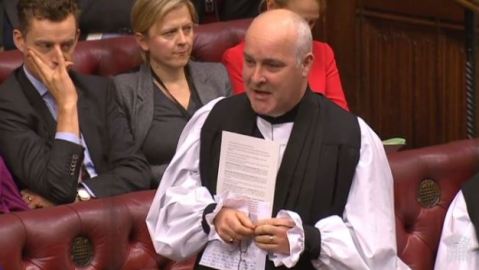 On 24th April 2017, the Bishop of Chelmsford, the Rt Revd Stephen Cottrell, received a written answer to a question on the UN Conference to Negotiate Ban on Nuclear Weapons.
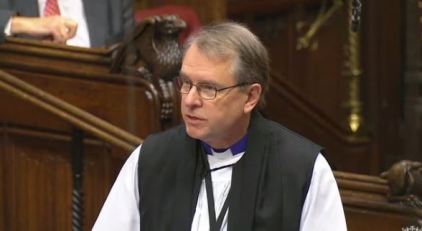 On 24th April 2017, the Bishop of Durham, the Rt Revd Paul Butler, received written answers to two questions on Child Tax Credit and Universal Credit:
 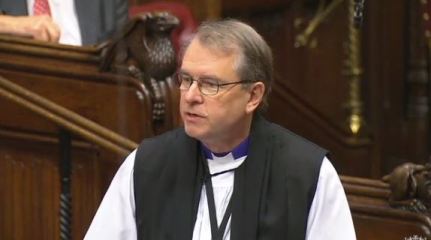 On 24th April 2017, the Bishop of Durham, the Rt Revd Paul Butler, received a written answer to a question on Lesotho:

You must be logged in to post a comment.