
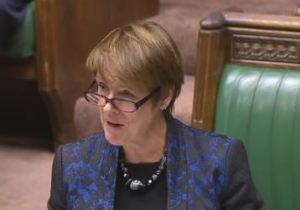
 On 28th March 2019 the Second Church Estates Commissioner, Rt Hon Dame Caroline Spelman MP, answered questions from MPs on digital connectivity, the 25th anniversary of the ordination of women, and Easter church attendance.
Church Commissioners
The right hon. Member for Meriden, representing the Church Commissioners, was asked—
Church Land and Buildings: Digital Connectivity
Mrs Sheryll Murray (South East Cornwall) (Con): To ask the right hon. Member for Meriden, representing the Church Commissioners, what progress has been made on implementing the joint accord between the Government and the Church of England on the use of Church land and buildings to support digital connectivity. [910102]
Continue reading “Church Commissioner Questions: digital connectivity, ordination of women, Easter”
 On 25th and 28th March 2019 the Bishop of St Albans received answers to four written questions on Yemen: humanitarian aid, weapons, and peace:
 The Lord Bishop of Ely: My Lords, I understand that the purpose of the 2014 set of reforms was to ensure a holistic approach by health, education and social care services in the support of children with special needs and of their families. But when appeals take place, I understand that it is not uncommon for social care services to say that they do not know the child. Are the Government ensuring proactive co-operation between health, social care and education services in supporting such children and their parents?
 The Lord Bishop of Salisbury: My Lords, I am not sure that the Minister’s Answer to the original Question* from the noble Baroness was entirely convincing. There is careful screening to check whether somebody might be willing to consider accepting an honour before an application is ever made. That is done by talking to their family, their friends and others involved with them. Therefore, the figure of 2% refusals is entirely unconvincing, and there needs to be a much more careful analysis of what is going on behind the Question in order to deal with the real issue, as is recognised by the questions asked by the House.
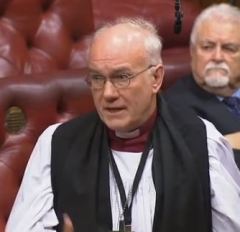 The Lord Bishop of Chester: My Lords, over the years, speakers from these Benches have completely supported the thrust behind the Question from the noble Lord, Lord Lexden. It is not only a matter for the Treasury and tax, but a matter of justice. If another party gets into power, perhaps the inheritance tax thresholds might even come down in due course—who knows? This does not seem a strong argument for denying an obvious need for justice in these cases.
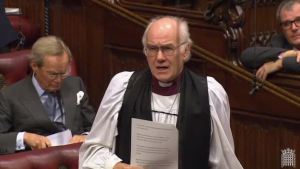 The Lord Bishop of Chester: My Lords, is it not the 28 days that people have to make arrangements, when they change from being asylum seekers to being refugees, that is the difficulty? It takes me more than 28 days to open a bank account if I am on good form, and there are lots of other things that they have to think about. Could the period not be extended beyond 28 days? Universal credit often does not kick in for at least 35 days. The 28-day period is just too tight for people in these circumstances.
 The Church of England in Parliament
You must be logged in to post a comment.