Carer’s Leave Bill: Bishop of Leicester draws attention to Archbishops’ Commission on Reimagining Care

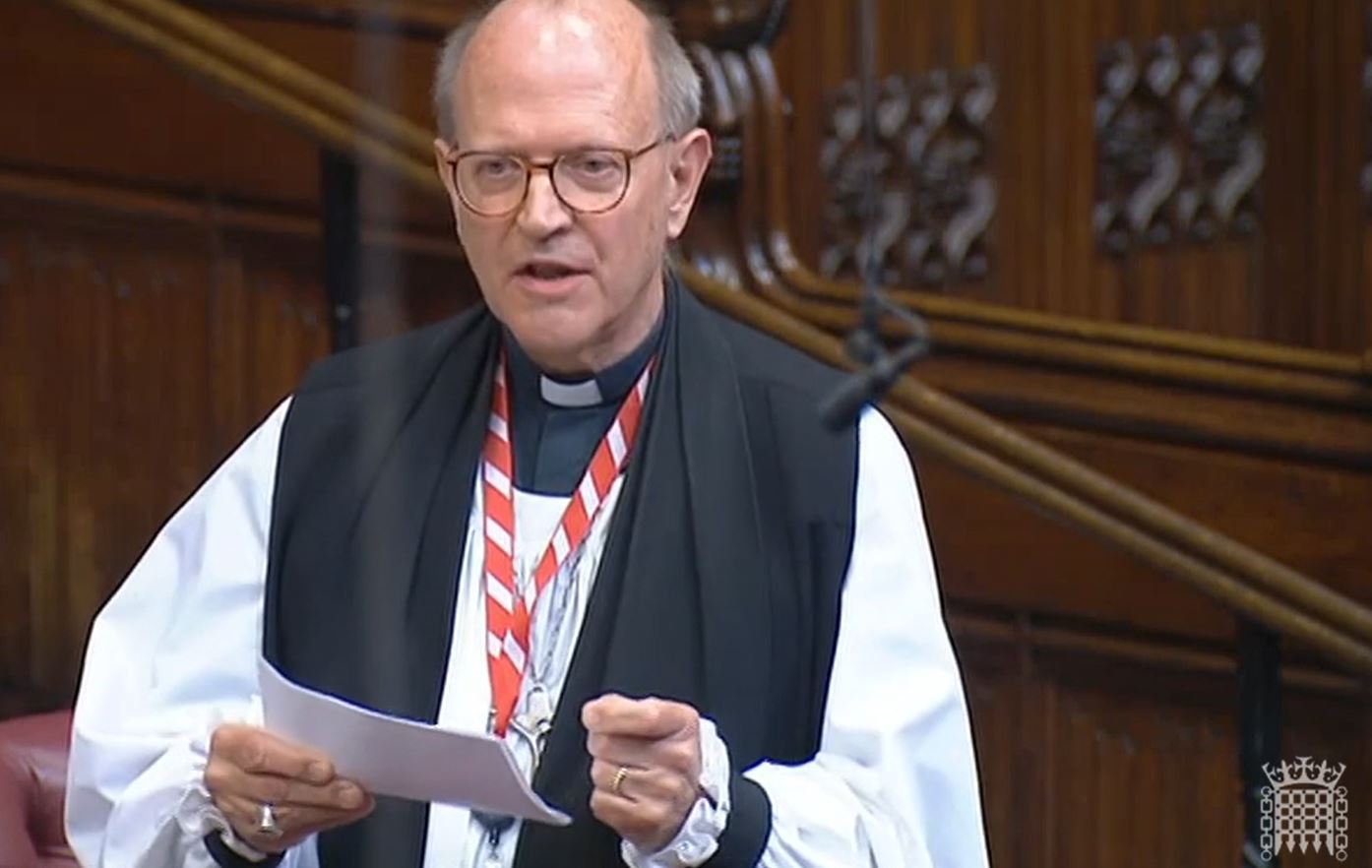
The Bishop of Leicester spoke in support of the Carer’s Leave Bill in its second reading on 3rd March 2023, drawing attention to the recommendations raised by the Archbishops’ Commission on Reimagining Care:

The Lord Bishop of Leicester: My Lords, I am pleased to speak in wholehearted support of this Bill. It has been a pleasure to hear other speeches and to receive briefings on this significant area of our common life. I look forward to hearing other speeches and thank those who have introduced the Bill.

The Bill is an important step forward in showing carers that although their efforts may not be waged, they are very much valued. It might not go as far as could be hoped, as the noble Lord, Lord Shipley, has said, in that it provides for unpaid rather than paid leave, but it is undoubtedly a step in the right direction.

I see three key features of this Bill: first, the provision of leave for anyone with caring responsibilities, not just those who care for people in their household; secondly, guaranteeing this leave as a day one right; and thirdly, allowing for it to be taken flexibly. These three features show that the Bill recognises the variety of unpaid carers on whom society depends and the distinct challenges they face.

Continue reading “Carer’s Leave Bill: Bishop of Leicester draws attention to Archbishops’ Commission on Reimagining Care”

British Iranian Relations: Bishop of St Albans stresses importance of media and need to support those demonstrating in Iran

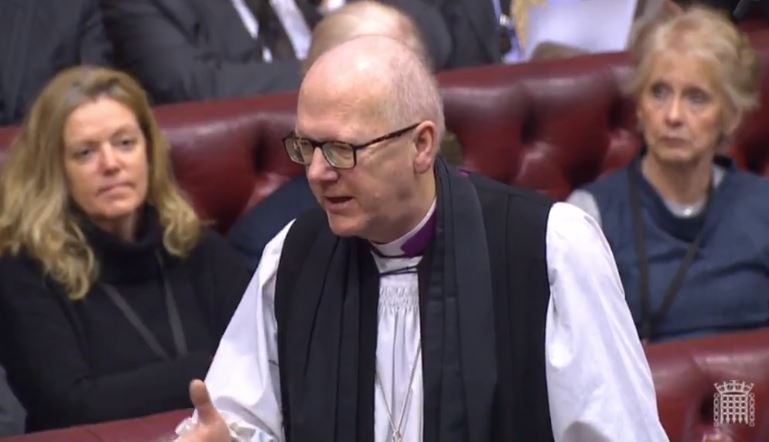
The Bishop of St Albans spoke in a debate on British-Iranian relations on 23rd February 2023, emphasising the importance of holding the Iranian regime to account, and the critical role played by media services such as BBC Persian:

The Lord Bishop of St Albans: My Lords, I thank the noble Lord, Lord Alton, for obtaining this debate, for his superb introductory talk and not least for his powerful call that we should oppose the persecution of Baha’is and Christians. I will raise just two issues in the few moments I have.

First, as we conduct British-Iranian relations, it is vital that we support loudly and clearly those who are demonstrating for their freedoms, in particular those who face the most opposition: the young and the women who are being opposed by their own Government. They are rightly demonstrating for freedom of speech and for their rights to an education and a job.

It is difficult to know exactly how many people have been caught up in the demonstrations although it is widely reported that, so far, between 600 and 800 protesters have been killed, more than 30,000 have been arrested and more than 40 have been executed. Those are probably very modest figures. I echo the question to the Minister from the noble Lord, Lord Alton: what attempts are being made to record the regime’s crimes so that they can be taken to the UN Security Council? What representations have His Majesty’s Government made to the Government of the Islamic Republic of Iran? Does the Minister agree that Supreme Leader Khamenei and President Ebrahim Raisi should be held to account?

Continue reading “British Iranian Relations: Bishop of St Albans stresses importance of media and need to support those demonstrating in Iran”

Bishop of Exeter speaks on healthcare in rural areas

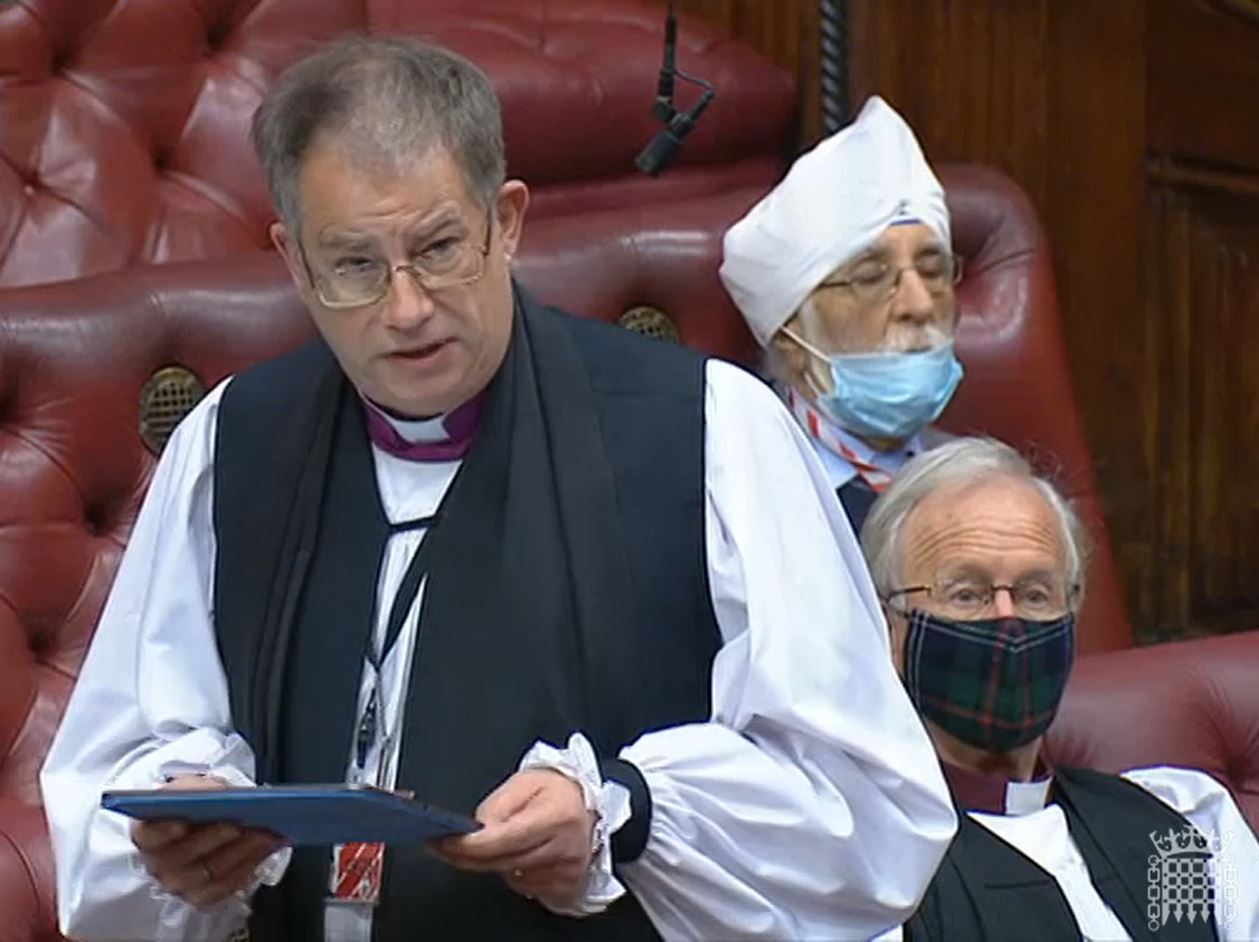
The Bishop of Exeter spoke in a debate on healthcare in rural areas on 23rd February 2023, emphasising the need to address challenges in staff retention in the NHS and the care service:

The Lord Bishop of Exeter: My Lords, I begin by thanking the noble Baroness, Lady McIntosh, for securing this important debate. We all acknowledge that the NHS is operating under enormous pressure at the present time. Perhaps inevitably, publicity focuses on our inner cities but, as we have been hearing this afternoon, rural communities are also pinch points. My own county of Devon has the second-oldest population in the country. We should not underestimate the challenge, both logistical and financial, of delivering healthcare to an ageing population, particularly in coastal communities and remote rural areas.

In his 2021 report on coastal communities and their patchy provision of medical services, the Chief Medical Officer for England observed that some

“of the most beautiful … and historically important places”,

including in the south-west region,

“have some of the worst health outcomes in England, with low life expectancy and high rates of many major diseases”.

Continue reading “Bishop of Exeter speaks on healthcare in rural areas”

Bishop of St Albans speaks in debate on healthcare in rural areas

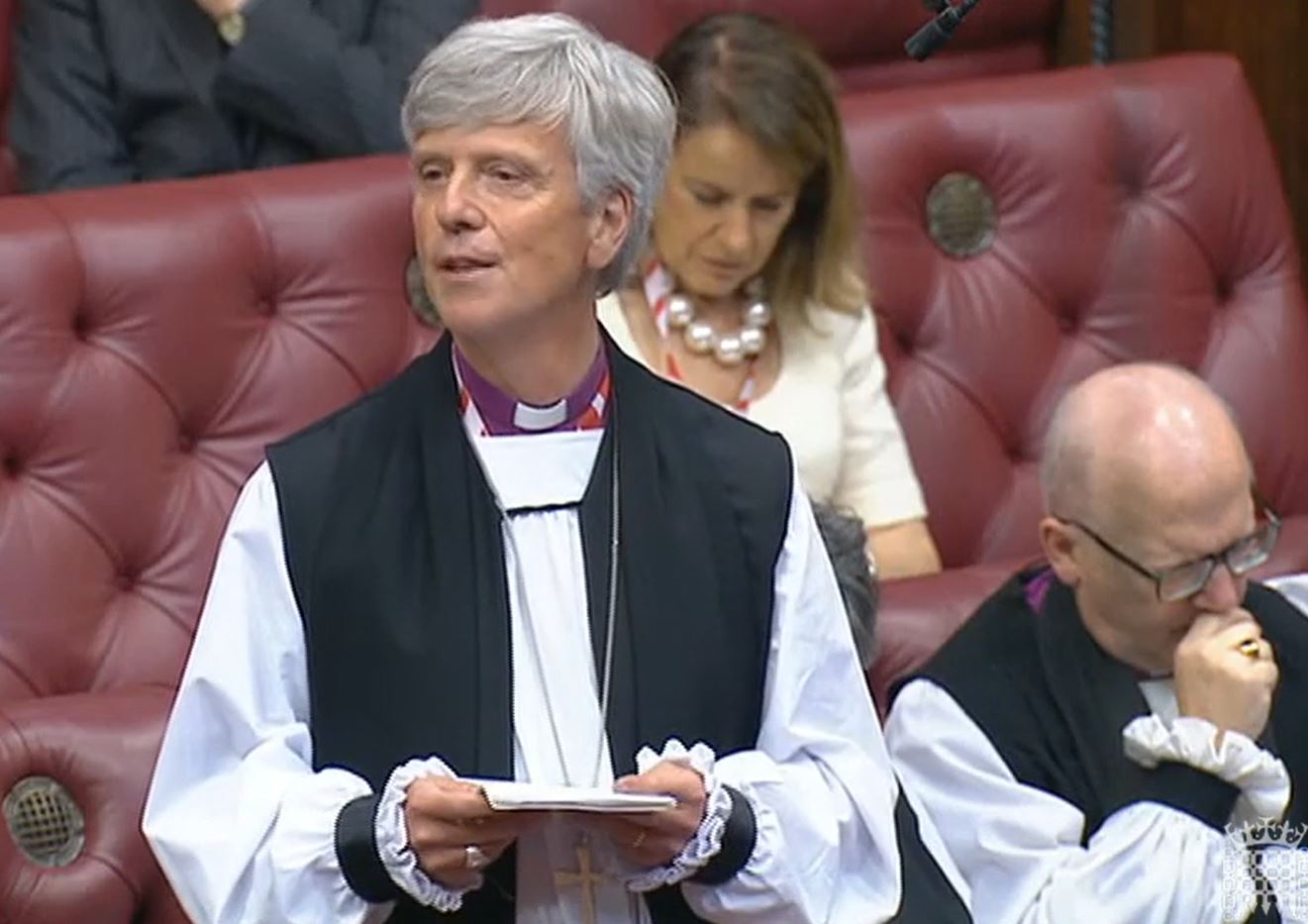
The Bishop of St Albans took part in a debate on healthcare in rural areas on 23rd February 2023, highlighting issues of age, access and infrastructure:

The Lord Bishop of St Albans: My Lords, I thank the noble Baroness, Lady McIntosh, for obtaining this debate. She is a powerful champion for these issues; we are grateful that she continues to raise them. I also add my thanks to and appreciation of all those who work on the front line in our rural areas. They often have to drive huge distances, sometimes along quite difficult roads; it is not always easy and is certainly not always as wonderful as our memories of remote rural areas from our holidays. I declare my interest as president of the Rural Coalition.

Although many people in this country dream of retreating to the rural idyll that is deeply embedded in the English psyche, they do not always realise that, if their dream comes true, they may face many challenges in living in rural areas: poor access to banks and cash; patchy broadband; sporadic mobile signal; virtually non-existent public transport; and little childcare. Then, of course, there is the topic we are exploring today: the stresses on the healthcare system, which is primarily and unsurprisingly designed for an urban context. Rurality faces a unique challenge in the delivery of healthcare, demanding that the Government adopt a clear strategy for improvement. I welcome His Majesty’s Government’s promise to rural-proof our healthcare system; my hope is that that promise will be able to deliver what is needed.

Continue reading “Bishop of St Albans speaks in debate on healthcare in rural areas”

Retained EU Law Bill: Bishop of Leeds speaks on parliamentary sovereignity

The Bishop of Leeds spoke briefly during a debate on the Retained EU Law Bill on 23rd February 2023, highlighting the need for clear definitions of governmental and parliamentary sovereignty:

The Lord Bishop of Leeds: My Lords, the reason these amendments and this debate are important is that one always explores the general by probing the specific to see if it holds water. I wonder if, in that respect, it might be helpful for the Minister and the Committee if he defined in his response parliamentary sovereignty as against executive sovereignty. If we understood that more clearly, we would understand the status and the rationale behind what is proposed in this Bill, which I personally see as unnecessary.

Continue reading “Retained EU Law Bill: Bishop of Leeds speaks on parliamentary sovereignity”

Levelling up and Regeneration Bill: Bishop of Leeds speaks in support of amendment on health disparities

On Wednesday 22nd February 2023, the House of Lords debated the Levelling Up and Regeneration Bill in the second day of committee. The Bishop of Leeds spoke in the debate, supporting amendments by the Bishop of London and other peers relating to health disparities:

The Lord Bishop of Leeds: My Lords, at Second Reading, I remember applauding, broadly speaking, the ambitions of the White Paper. However, I share the concerns of the right reverend Prelate the Bishop of London, who of course brings to this much more experience than I do.

I am pleased that, already, the noble Baroness, Lady Hayman, has alluded to the interconnectivity of all these different missions; they cannot be seen in silos or in isolation. For example, if you have children who are turning up at school unfed or living in poor housing, you can try teaching them what you will but it may not be very successful, and that has an impact not only on individuals but on communities and their flourishing.

Continue reading “Levelling up and Regeneration Bill: Bishop of Leeds speaks in support of amendment on health disparities”

Strikes (Minimum Service) Bill: Bishop of St Edmundsbury and Ipswich urges government to reconsider legislation

On 21st February 2023, the Bishop of St Edmundsbury and Ipswich spoke in a debate on the Strikes (Minimum Service Levels) Bill, expressing concerns on workers rights and the broadness of the legislation proposed, and urging that the government reconsider the bill:

The Lord Bishop of St Edmundsbury and Ipswich: My Lords, I too look forward to the maiden speech of the noble Baroness, Lady O’Neill. There is only me standing in the way, so I will try to be brief.

At Second Reading in the other place, the Government said that the Bill’s purpose was

“to maintain a reasonable balance between the ability of workers to strike and the rights of the public, who work hard and expect the essential services that they pay for to be there when they need them.”—[Official Report, Commons, 16/1/23; col. 54.]

At first glance this might seem a straightforward aim. However, as noble Lords and those in the other place have already said, there is much more at stake here than initially meets the eye. I believe that the Bill in its current form creates more problems than those it perceives or seeks to solve.

There has been a terrible increase in industrial action in the past months. We all reflect on why this may be the case. There are serious and legitimate concerns held by those who decide to go on strike about their well-being, as well as the well-being of the services for which they work and that of wider society.

Continue reading “Strikes (Minimum Service) Bill: Bishop of St Edmundsbury and Ipswich urges government to reconsider legislation”

Levelling Up and Regeneration Bill: Bishop of Gloucester supports amendments targeting child poverty

On 20th February 2023, the House of Lords debated the Levelling Up and Regeneration Bill on the first day of its committee stage. The Bishop of Gloucester spoke in support of an amendment tabled by Baroness Lister, emphasising that reducing child poverty should be considered a priority:

The Lord Bishop of Gloucester: My Lords, I too will speak in support of Amendment 4. I thank the noble Baroness, Lady Lister, for tabling this amendment. I am very aware that my right reverend friend the Bishop of Durham is a co-signatory and is unable to be here today to speak.

Levelling up, as the Government’s White Paper initially outlined, is about equally spreading opportunity across our country. It is about challenging unfairness and allowing people to live more fulfilling lives—I thank the noble Lord, Lord Bird, for his inspiring speech. These are aims that surely all of us welcome, but I cannot see how this will ever be achieved unless the Bill includes reducing child poverty.

This is about the present and the long-term future. As has already been said, the latest statistics are that there are 3.9 million children living in poverty in this country; that is more than one in four. With more and more families turning to food banks and the experience of persistent poverty tripling a child’s likelihood of having mental health problems, this cannot continue.

Continue reading “Levelling Up and Regeneration Bill: Bishop of Gloucester supports amendments targeting child poverty”

Bishop of Southwell and Nottingham speaks in debate on current situation in Ukraine

On 9th February 2023, the House of Lords debated a motion to take note of the current situation in Ukraine, following Ukrainian president Zelensky’s vist to the UK. The Bishop of Southwell and Nottingham spoke in the debate, urging that efforts remain focused on supporting Ukrainians in the UK and supporting Ukraine’s own defence, while pressing for clarity on the government’s expectations of the future of the conflict:

The Lord Bishop of Southwell and Nottingham: My Lords, like others in this House I thank the noble Baroness, Lady Goldie, for tabling this debate. I wish to convey the apologies of my most reverend friend the Archbishop of Canterbury, who, having recently travelled to Kyiv, wished to take part in this debate but is detained by the business of the General Synod. He will follow the deliberations closely in Hansard. My most reverend friend and several others from these Benches took time away from the General Synod yesterday and were delighted to join Members of both Houses to hear the President of Ukraine address us.

I count it a privilege and not a little daunting to precede the maiden speech of the noble Lord, Lord Soames, whose insight and wisdom on the matters before us are truly formidable. On behalf of the Lords Spiritual, I look forward to listening to and learning from his contributions to the work of the House in the coming days.

Continue reading “Bishop of Southwell and Nottingham speaks in debate on current situation in Ukraine”

Bishop of St Albans leads debate on famine in the Horn of Africa

The Bishop of St Albans tabled a question for short debate on famine in the Horn of Africa on 7th February 2023:

The Lord Bishop of St Albans: To ask His Majesty’s Government what steps they are taking to alleviate the consequences of the famine in the Horn of Africa.

My Lords, it is perhaps fitting that this debate takes place on the day of the memorial service for the late Lord Chidgey, who was so passionate about all things to do with Africa and would have shared many of the concerns that I suspect are going to be talked about in our one hour together.

It is with sadness that I stand here today to address this problem, although I hope that our debate may in some small way raise awareness of what is an extraordinary tragedy unfolding before us. As many noble Lords know, this region is currently experiencing one of the longest and most severe droughts on record. This, coupled with conflict and displacement, has led to an unprecedented food and nutrition emergency affecting almost 40 million people. The UN has already said that

“Famine is at the door”

in some parts of Somalia.

We are already seeing the effects of this crisis. UNICEF estimates that up to 5.7 million children in the region require treatment for acute malnutrition, with 1.8 million already experiencing it. This famine, initially caused by climate change, has been compounded by a series of other factors, making it far worse than what we have seen before. An outbreak of locusts, described by the UN as the worst in 25 years, has ravished crops across the region. The ongoing civil wars in Ethiopia and Somalia have displaced millions and made provision of food aid even more difficult.

Continue reading “Bishop of St Albans leads debate on famine in the Horn of Africa”