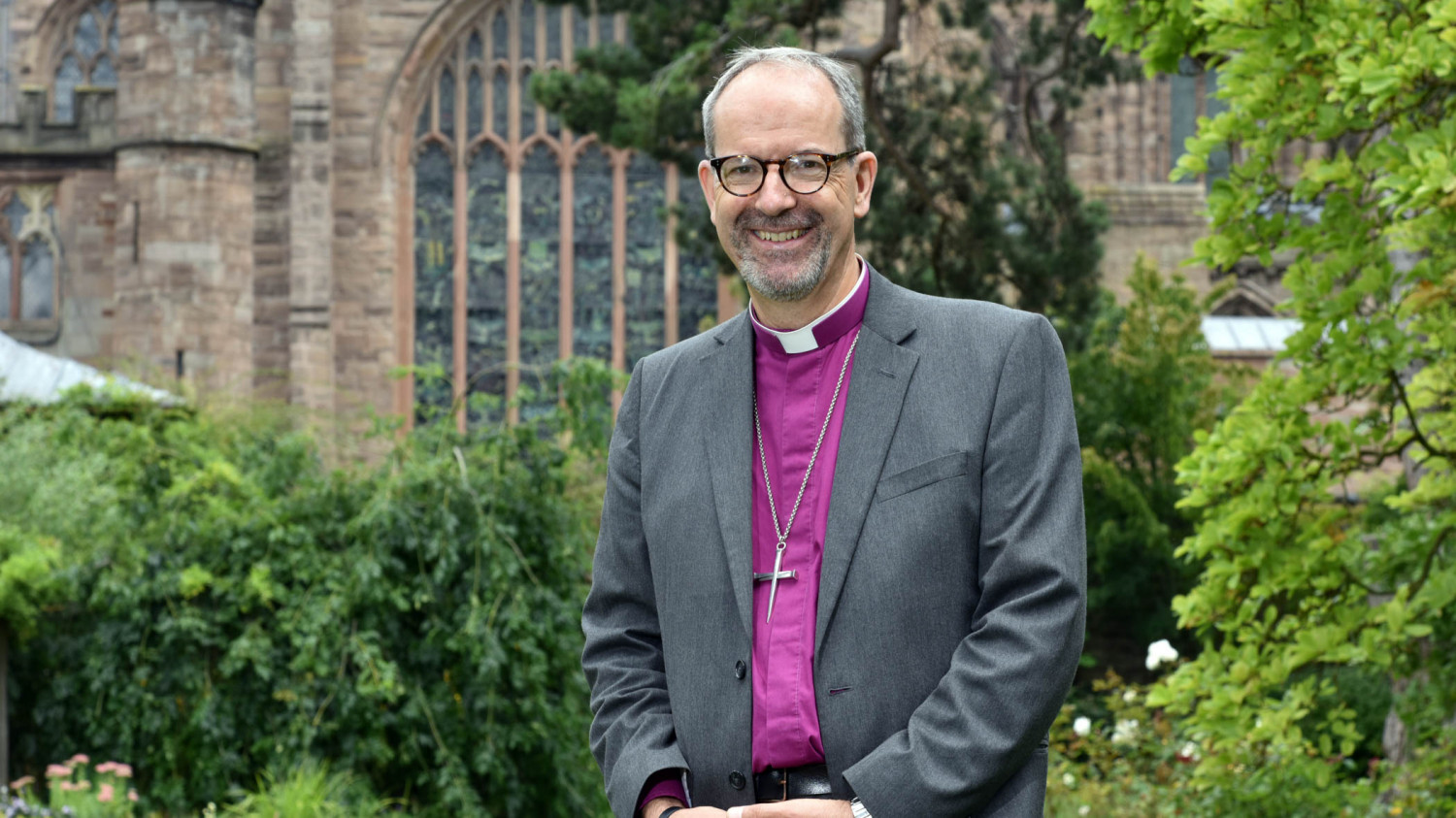
Bishop of Hereford asks about impact of transition to universal credit for those with work-tied housing

The Bishop of Hereford received the following written answers on 10th May 2024:

The Lord Bishop of Hereford asked His Majesty’s Government what assessment they have made of the impact of transiting from tax credits to Universal Credit on people who live in accommodation tied to their work; and whether they undertook any consultation with ministers of religion or other cohorts particularly affected by these proposed changes.

Continue reading “Bishop of Hereford asks about impact of transition to universal credit for those with work-tied housing”

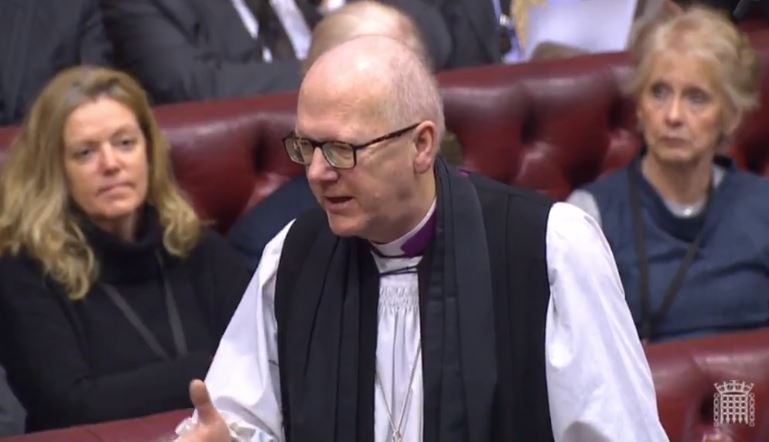
Bishop of St Albans speaks in debate on problems faced by inadmissible asylum seekers

The Bishop of St Albans spoke in a debate on the issues faced by those deemed inadmissible to the UK asylum system on 9th May 2024, raising the issue of unaccompanied asylum seeking children and the threat of exploitation under the current system:

The Lord Bishop of St Albans: My Lords, I thank the noble Lord, Lord German, for obtaining this debate on a very important area that, although it has, sadly, become very party political, is somewhere that we need to get real and use everyone’s creative thinking to try to find solutions. This is affecting virtually every country, to a greater or lesser degree, in Europe; it is not going to go away; we are dealing with the lives of vulnerable people; and I hope we can try to think together about the way forward. I have a certain reticence to speak as this is an area where some of the legislation is extremely complex, and I hope I will bring some light rather than more confusion to it.

The passing of the Illegal Migration Act, alongside the Rwanda plan, appears to have created much more confusion and overlapping statuses for asylum seekers. We now have asylum seekers whose applications were made before 28 June 2022 and the Nationality and Borders Act, those whose applications were made from 28 June 2022 to 6 March 2023, the group between 7 March to 19 July, and then those who applied after 20 July 2023. As I understand it, all are affected by slightly different legislation.

Continue reading “Bishop of St Albans speaks in debate on problems faced by inadmissible asylum seekers”

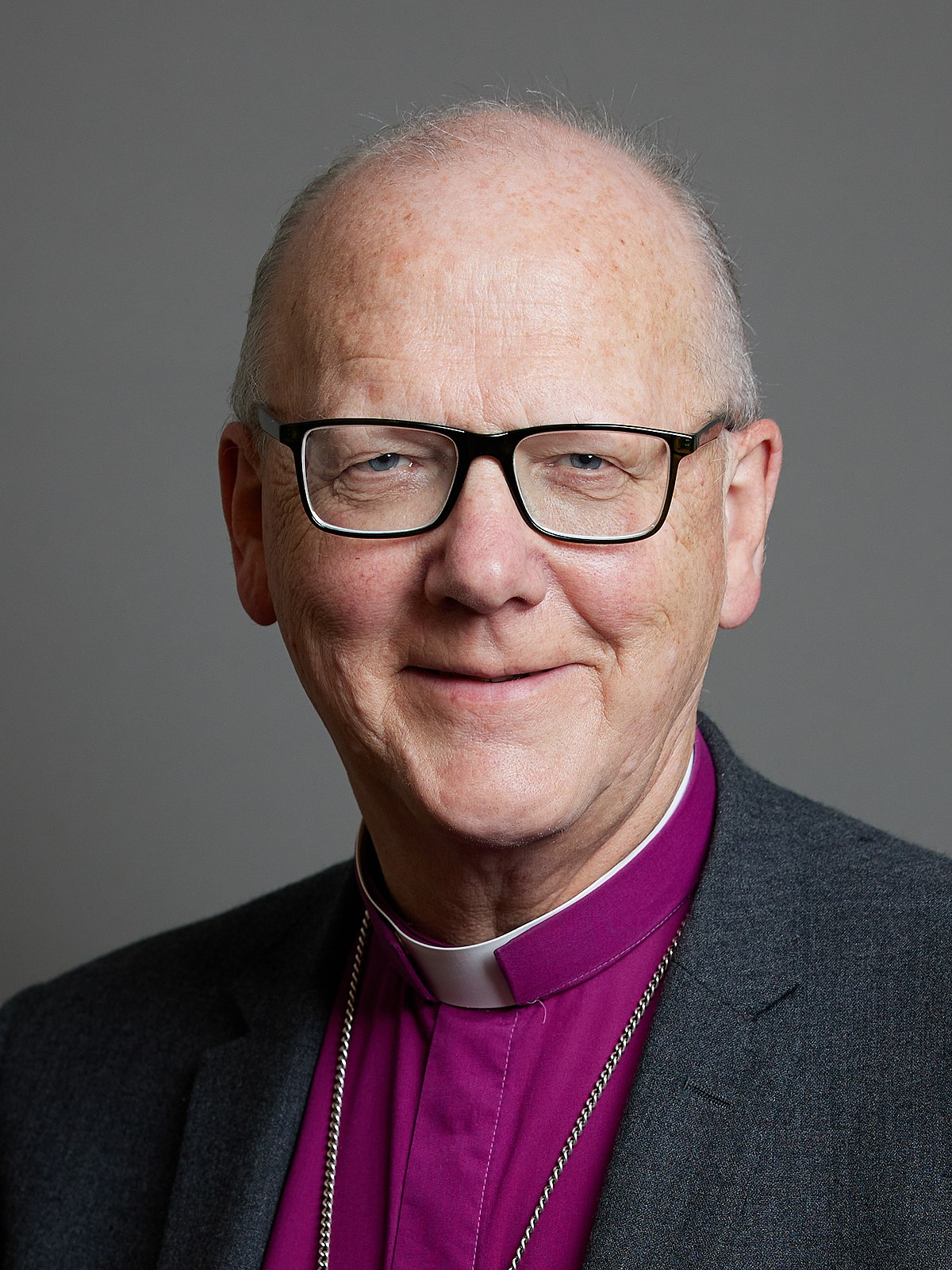
Bishop of St Albans asks about illegal hare coursing

The Bishop of St Albans asked a question on the issue of illegal hare coursing during a discussion on rural crime on 9th May 2024:

The Lord Bishop of St Albans: My Lords, it is recognised that one niche area of rural crime by organised crime groups is laundering money through events such as illegal hare coursing, which is causing a huge problem. We were very grateful for the recent support of the Government in trying to bring an amendment to the Police, Crime, Sentencing and Courts Act, but is the Minister sure that the new police and crime commissioners not only understand the problem but have the right training in place so the law can be implemented?

Continue reading “Bishop of St Albans asks about illegal hare coursing”

Bishop of St Albans asks about impact of Tesco-Booker merger on small, independent, and rural businesses

The Bishop of St Albans received the following written answer on 9th May 2024:

The Lord Bishop of St Albans asked His Majesty’s Government:

  • what assessment they have made of the impact of the Tesco-Booker merger on independent shopkeepers.
  • whether they plan to make an assessment of the impact of the Tesco-Booker merger on rural small businesses, such as post offices and village stores.
  • what assessment they have made of the impact of the changes recently introduced by Booker on independent retailers.
Continue reading “Bishop of St Albans asks about impact of Tesco-Booker merger on small, independent, and rural businesses”

Bishop of Leeds asks about dual citizen held in prison in Russia

The Bishop of Leeds received the following written answer on 9th May 2024:

The Lord Bishop of Leeds asked His Majesty’s Government what information they hold on Vladimir Kara-Murza, held in prison in Russia, and the state of his health.

Continue reading “Bishop of Leeds asks about dual citizen held in prison in Russia”

Bishop of St Albans asks about foreign language learning and international study

The Bishop of St Albans received the following written answers on 9th May 2024:

The Lord Bishop of St Albans asked His Majesty’s Government whether they have made an assessment of the impact of emerging artificial intelligence capacities on the necessity for foreign language learning.

Baroness Barran (Con, DfE): Studying a language can be extremely rewarding and exciting for children and young people. It can provide insight into other cultures and open the door to travel and employment opportunities. Whilst Artificial Intelligence (AI) can be useful in enhancing the experience of learning a language, and this should be explored further, it should not be seen as a replacement.

Continue reading “Bishop of St Albans asks about foreign language learning and international study”

Bishop of St Albans asks about risks of contaminated blood being used during cosmetic procedures

The Bishop of St Albans received the following written answer on 9th May 2024:

The Lord Bishop of St Albans: His Majesty’s Government what assessment they have made of the risk of individuals contracting HIV from contaminated blood in unregulated cosmetic procedures.

Continue reading “Bishop of St Albans asks about risks of contaminated blood being used during cosmetic procedures”

Bishop of Southwark asks about regulation of identity tracing agencies used in debt recovery

The Bishop of Southwark received the following written answer on 9th May 2024:

The Lord Bishop of Southwark asked His Majesty’s Government what plans they have to regulate identity tracing agencies in relation to the recovery of debt.

Baroness Vere of Norbiton (Con, Treasury): The Government wants to see fair treatment of individuals in problem debt, and there is a range of work underway across government and regulators to promote responsible practices for debt recovery.

Continue reading “Bishop of Southwark asks about regulation of identity tracing agencies used in debt recovery”

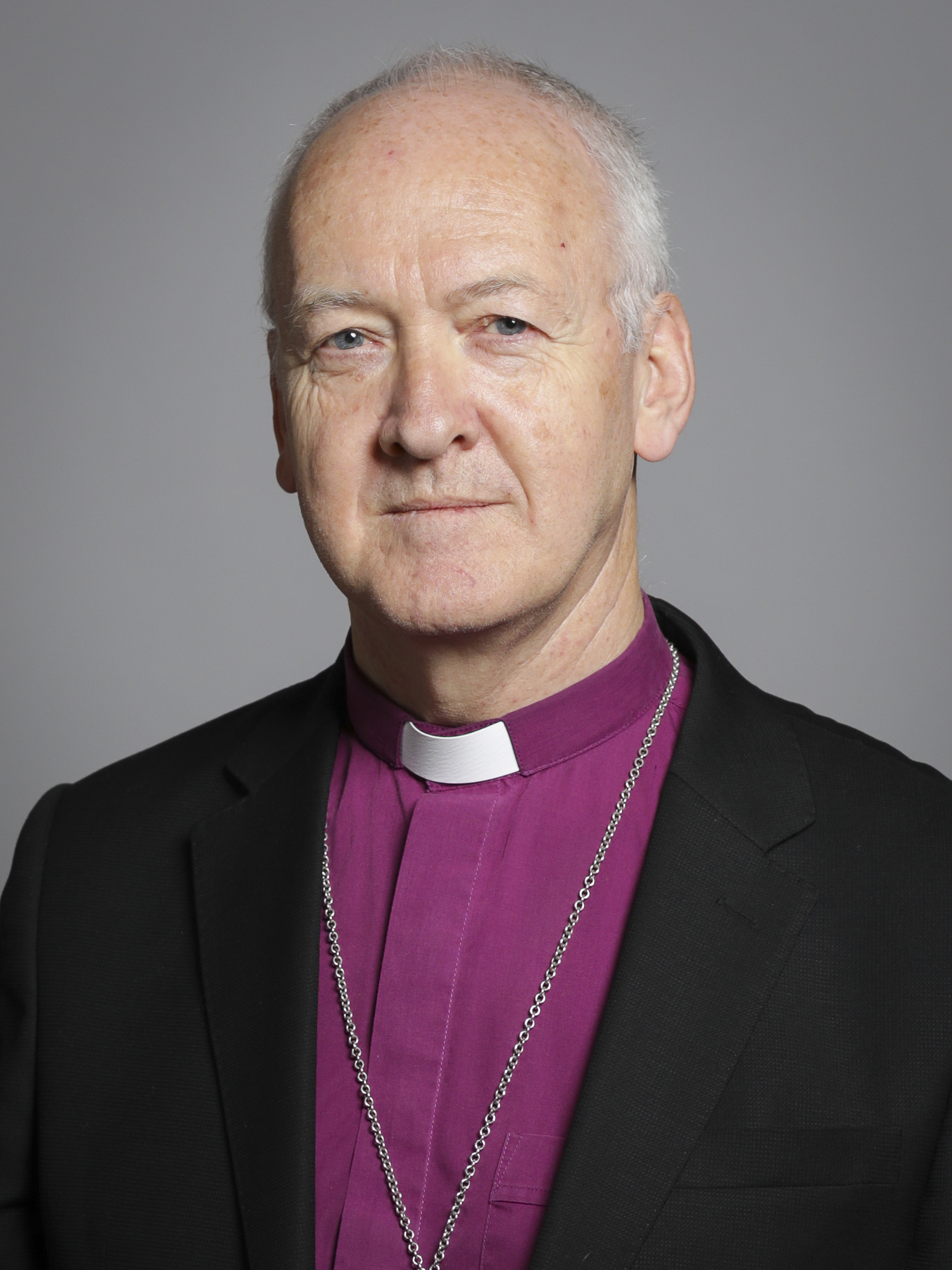
Bishop of Manchester supports motion to regret on National Networks Policy statement

On 8th May 2024, Bishop of Manchester spoke in support of a Motion to Regret tabled by Lord Berkeley: “That this House regrets the Government’s decision to lay the National Networks National Policy Statement, laid before the House on 6 March, without carrying out the systematic review of road projects recommended by the Climate Change Committee; addressing the risk of insufficient environmental action by the Department for Transport highlighted by the National Audit Office; or joining up their policies with the missions presented to Parliament under the Levelling-up and Regeneration Act 2023.

The Lord Bishop of Manchester: My Lords, as it seems compulsory in this short debate to quote Voltaire, perhaps I might take us to his wonderful creation, Dr Pangloss, who continues to assert:

“All is for the best in this best of all possible worlds”

even while the horrors are descending around him. I feel there is something of that in the statement; it is a bit Panglossian. As noble Lords have already said, we face a climate emergency and crisis, and this statement is not adequate to the seriousness of the situation that we are in.

Continue reading “Bishop of Manchester supports motion to regret on National Networks Policy statement”

Media Bill: Bishop of Leeds supports amendments on standards and terms of reference for public service broadcasters

On 8th May 2024, the House of Lords debated the Media Bill in committee. The Bishop of Leeds spoke in support of a group of amendments on standards requirements for public service broadcasters, stressing the need for detailed terms of reference in public service broadcasting:

The Lord Bishop of Leeds: My Lords, I support the first four amendments in this group—Amendments 1 to 3 and 7—and will not repeat what has been said so far in the excellent two speeches. However, I support them for a different reason: I think that they lay the ground for later amendments, particularly Amendments 9, 13 and 32. I will make a serious point about those amendments now, partly because I may have to be on a train when the Committee gets to them.

If we take seriously the Reithian principles to inform, educate and entertain, it means doing what the inscription from George Orwell outside the BBC spells out: that people are enabled to be confronted by, or to hear and see things, that

“they do not want to hear”.

Continue reading “Media Bill: Bishop of Leeds supports amendments on standards and terms of reference for public service broadcasters”