On 29th January 2024, the House of Lords debated the Safety of Rwanda (Asylum & Immigration) Bill in its second reading. A vote was held on a motion relating to the bill, in which a bishop took part.

On 29th January 2024, the House of Lords debated the Safety of Rwanda (Asylum & Immigration) Bill in its second reading. A vote was held on a motion relating to the bill, in which a bishop took part.
The Bishop of St Edmundsbury & Ipswich spoke in the debate on the Safety of Rwanda (Asylum & Immigration) Bill on 29th January 2024, arguing that the bill represented a loss of moral compass for the UK, and that the approach to the legislation by the government was constitutionally inappropriate:
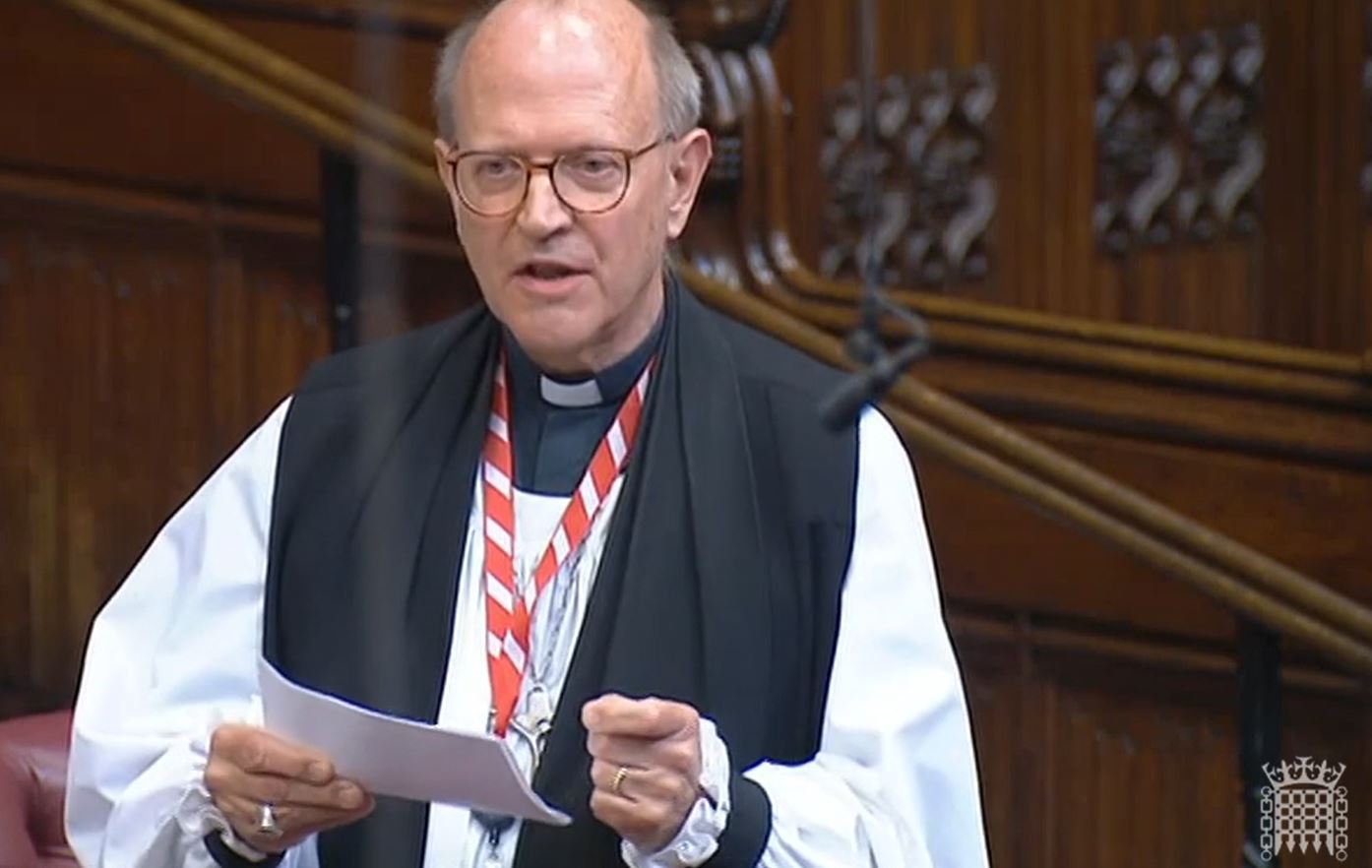
The Lord Bishop of St Edmundsbury & Ipswich: My Lords, as the 41st speaker, I will inevitably repeat or underline others’ points, but I will briefly make a couple of observations. I am struck that some noble Lords supporting the Bill nevertheless do so with a hint of equivocation, saying that it is not perfect or the final destination. In addition, I have not heard evidence that the proposal will work. The Minister commented in opening that progress had been made and the numbers of those coming across in boats had decreased. Why do we not put more effort into the courses that have enabled that reduction?
I do not think there is a single noble Lord who is not determined that the dangerous boat crossings of those seeking asylum in this country be stopped. Our valuing of and care for human life and the plight of those fleeing danger place a moral duty on us to work out a way to stop these perilous crossings and find a just and safe way for people to find refuge. We know from the Government’s figures that the great majority of those who have sought asylum in this country through this life-endangering method have had their applications upheld. We are not talking about people risking their lives without legitimate cause. We need to find, as a number of noble Lords have said, safe ways to achieve this goal with our European neighbours. This is a good moral purpose to which I believe we would all assent.
Continue reading “Safety of Rwanda (Asylum & Immigration) Bill: Bishop of St Edmundsbury & Ipswich questions constitutional basis and moral implications of bill”On 29th January 2024, the Bishop of London spoke in a debate on the Safety of Rwanda (Asylum & Immigration) Bill, pointing out the inconsistency of the bill’s approach to international law, and the potential harm of disapplying parts of the human rights act to refugees and asylum seekers:
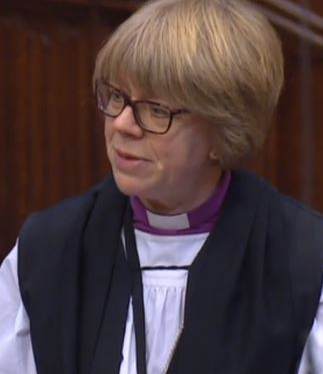
The Lord Bishop of London: My Lords, I share many concerns about the Bill that have been expressed by many other noble Lords, but I will focus on human rights. What underpins my contribution to the House is a fundamental belief that all people are made in the image of God. It is a belief that is the foundation not just of the Christian faith but of many other faiths and religions. People have an inherent immeasurable value and deserve dignity and respect. In the Bill, unfortunately, the value of people is consistently maligned. For example, the Bill decides who is and is not entitled to human rights. Has history not taught us the risk of that?
It is an odd situation that we find ourselves in when it feels necessary to state in your Lordships’ House that the Government should obey the law, yet the Minister has stated on the face of the Bill that he is unable to say that the measures within it are compatible with the European Convention on Human Rights. Clause 3 disapplies sections of our Human Rights Act and Clause 1(6) lists great swathes of international law that will be contravened to pass the Bill. As many noble Lords have said, it is illogical that the Government are disregarding international law while relying on Rwanda’s compliance with it to assure us it is safe. That is not a mark of global leadership.
Continue reading “Safety of Rwanda (Asylum & Immigration) Bill: Bishop of London points out inconsistency with international law and human rights regulations”On 29th January 2024, the House of Lords debated the the Safety of Rwanda (Asylum & Immigration) Bill. The Bishop of Durham spoke in the debate, questioning, based on his experience of the country through his role as Bishop, whether Rwanda would be able to adequately support refugees relocated from the UK, and highlighting the risks to refugees in the country, particularly in terms of modern slavery:
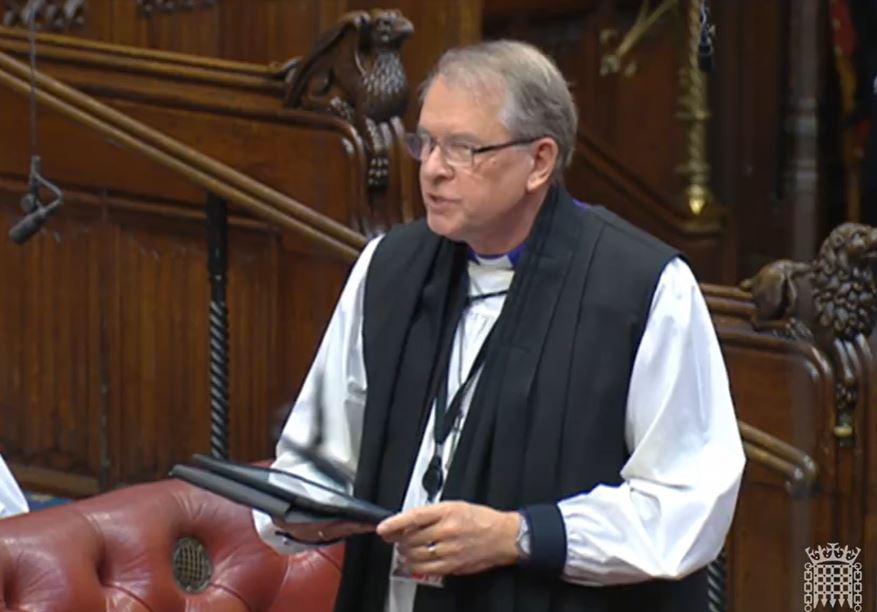
The Lord Bishop of Durham: My Lords, I declare my interests as laid out in the register. I stand in agreement with the arguments already made regarding the domestic constitutional, international standing and human rights concerns surrounding this Bill. I echo the belief that we should not outsource our moral and legal responsibilities to refugees and asylum seekers. However, today I hope to bring some insight to this debate through my own experience of Rwanda.
Rwanda is a country that I love. It is a country that I have travelled to on 20 occasions since 1997. I have observed the amazing transformation of Kigali and some aspects of the whole nation. My visits take me to rural villages, small towns and cities, not simply the glamour of a great international city. I have had the privilege of becoming friends with many local people whom I have met and stayed with there. The conversations I had there last August further led me to conclude that this policy will simply not work.
Continue reading “Safety of Rwanda (Asylum & Immigration) Bill: Bishop of Durham questions support for refugees available in Rwanda and raises risks of modern slavery”The Archbishop of Canterbury spoke in a debate on the Safety of Rwanda (Asylum & Immigration) Bill on 29th January 2024, expressing concern that the legislation would be damaging to the UK in outsourcing asylum to another country, calling on the government to establish a wider strategy for refugee policy and to lead internationally on this:
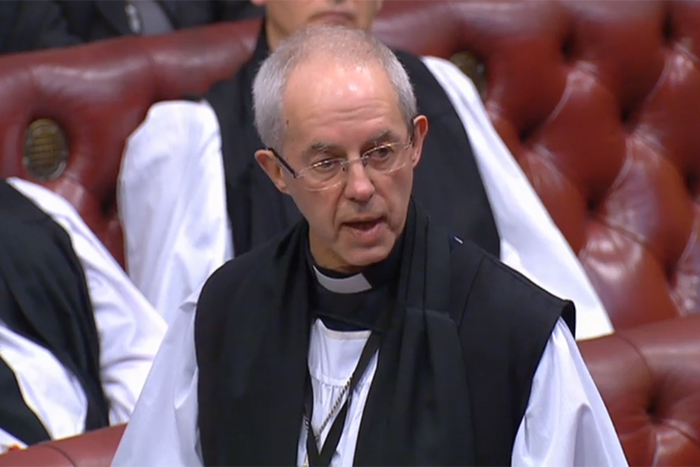
The Lord Archbishop of Canterbury: My Lords, in almost every tradition of global faith and humanism around the world, the dignity of the individual is at the heart of what is believed. In the Christian tradition, we are told to welcome the stranger. Jesus said:
“I was a stranger and you invited me in”.
In numerous places in the Old Testament and the New, the commands of God are to care for the alien and stranger. It has already been said, and I agree, that the way that this Bill and its cousin, which we debated in the summer, work is by obscuring the truth that all people, asylum seekers included, are of great value. We can, as a nation, do better than this Bill.
Continue reading “Safety of Rwanda (Asylum & Immigration) Bill: Archbishop of Canterbury raises concerns over potential damaging impact of legislation”The Bishop of London asked a question on UK efforts to collaborate with the EU in cancer research on 29th January 2024, during a discussion on a projected £1 billion gap in cancer research funding:
The Lord Bishop of London: My Lords, as the noble Lord, Lord Stevens, will know, Cancer Research reported in its 2023 researcher survey that while 98% of respondents said that collaboration with EU-based scientists is important, 79% said that since Brexit it had been harder to begin new collaborations with EU-based researchers and scientists. What steps are the Government taking to prioritise collaboration between the EU and the UK in this area, especially with compatibility with the EU clinical trials regulatory framework?
Continue reading “Bishop of London asks about possibility of collaboration with EU on cancer research”The Bishop of St Albans received the following written answer on 29th January 2024:
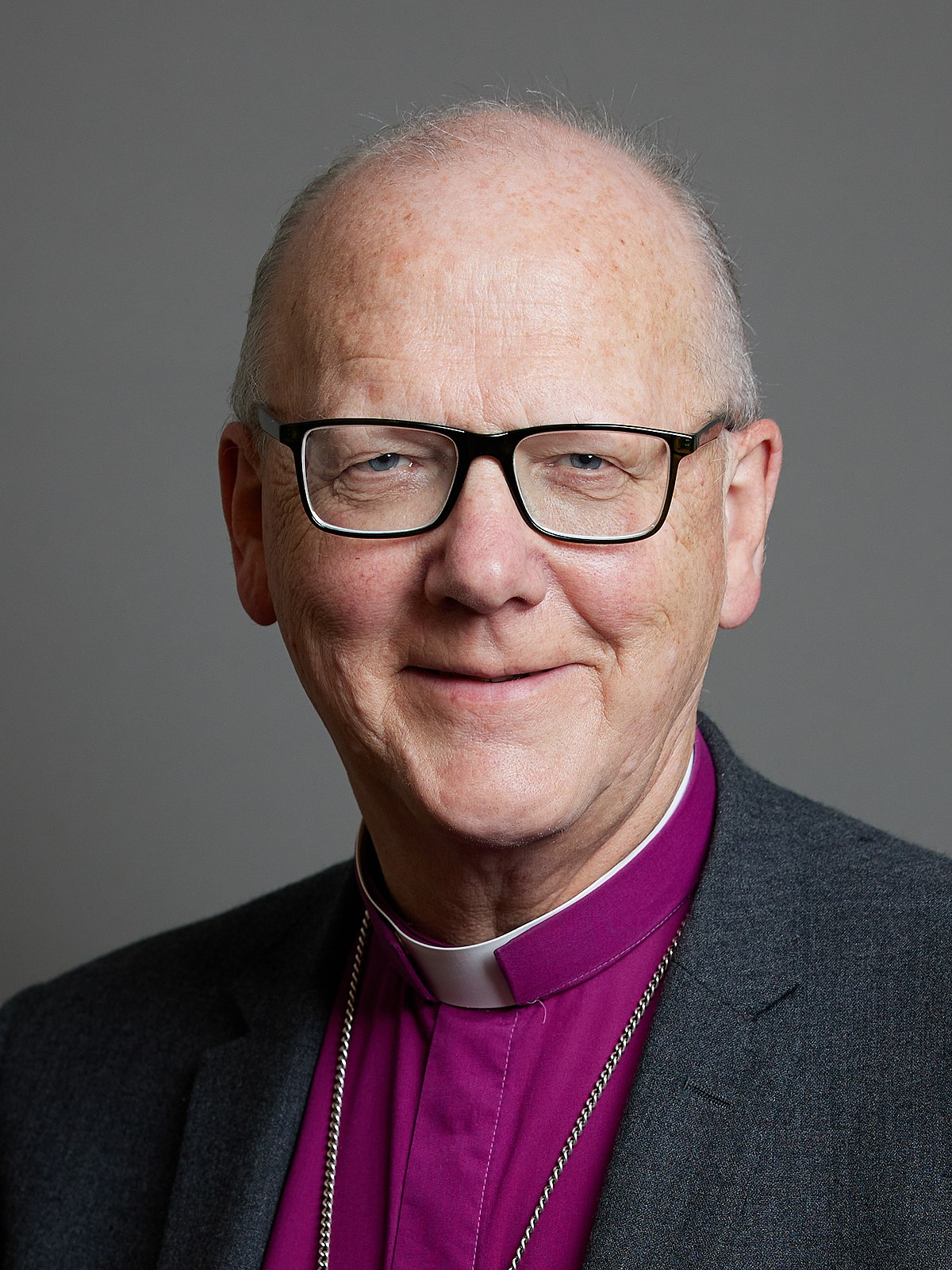
The Lord Bishop of St Albans asked His Majesty’s Government:

The Bishop of Gloucester received the following written answer on 29th January 2024:
The Lord Bishop of Gloucester asked His Majesty’s Government (1) how many, and (2) what proportion, of prisons in England and Wales currently provide secure video calls for prisoners.
Lord Bellamy (Con, Ministry of Justice): All prisons (100%) across England and Wales have the capability to offer secure video calls with approved family members and friends, responding to demand from prisoners.
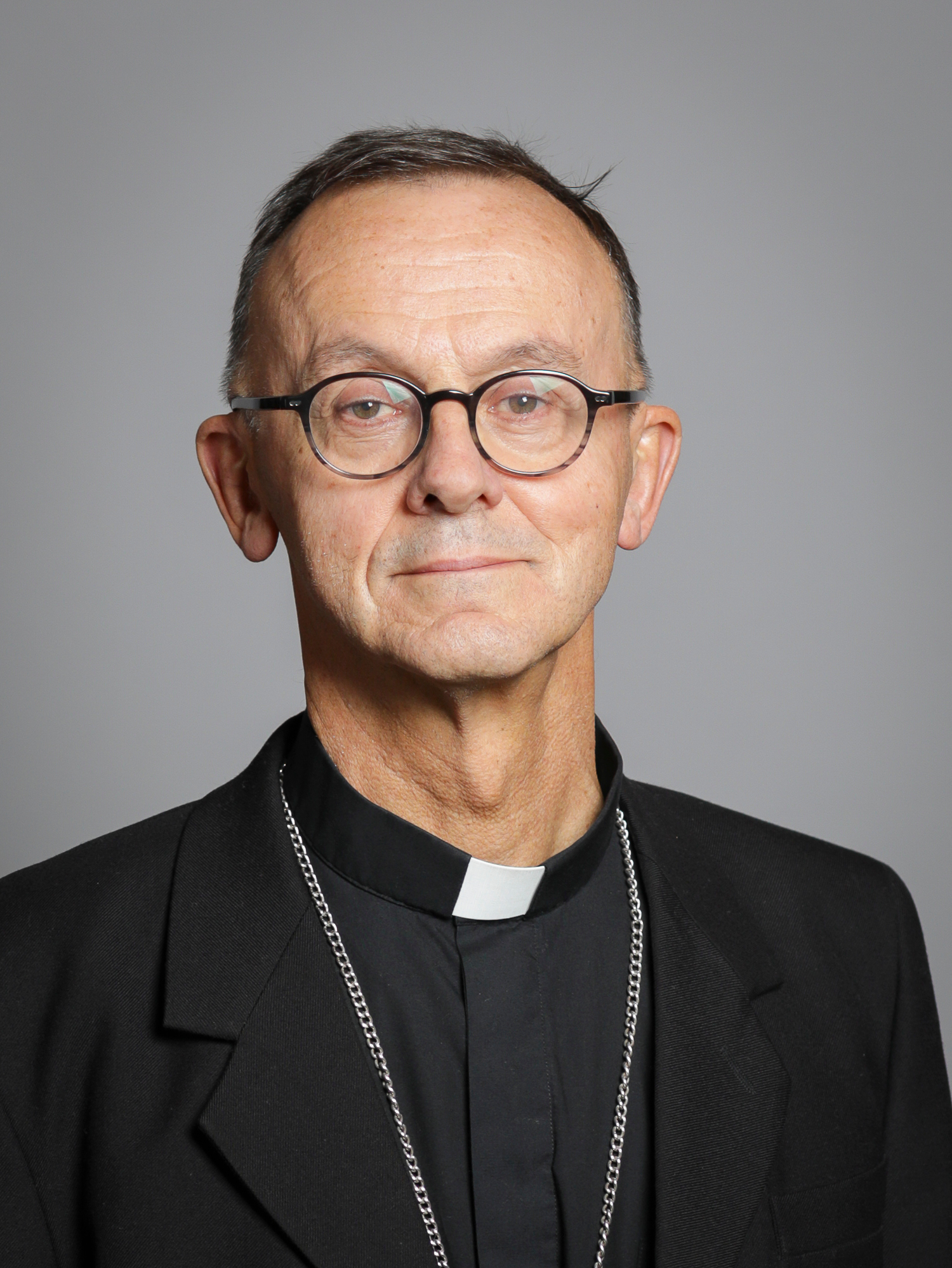
The Bishop of Worcester received the following written answer on 29th January 2024:
The Bishop of Worcester asked His Majesty’s Government what steps they are taking (1) to secure a ceasefire, and (2) to press for an investigation by the International Criminal Court of violations of international humanitarian law, in Gaza.
Lord Ahmad of Wimbledon (Con): The UK wants to see an end to the fighting in Gaza as soon as possible. We are calling for an immediate humanitarian pause to get aid in and hostages out, and as a vital first step towards building a sustainable, permanent ceasefire, without a return to destruction, fighting and loss of life. But to achieve that:
Continue reading “Bishop of Worcester asks about steps towards a ceasefire and investigation into the conflict in Gaza”The Bishop of St Albans received the following written answer on 29th January 2024:
The Lord Bishop of St Albans asked His Majesty’s Government what assessment they have made of the protection of religious and cultural sites in Nagorno-Karabakh, and what representations they are making to the government of Azerbaijan in this regard.
Continue reading “Bishop of St Albans asks about protection of religious and cultural sites in Nagorno-Karabakh” The Church of England in Parliament
You must be logged in to post a comment.