Environment Bill: Archbishop of York

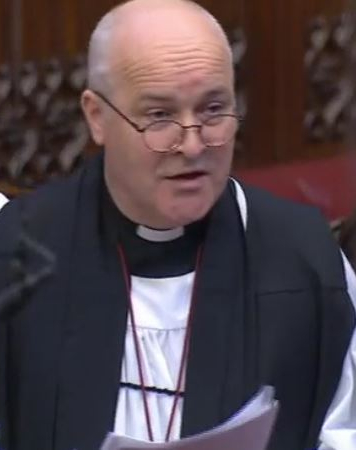
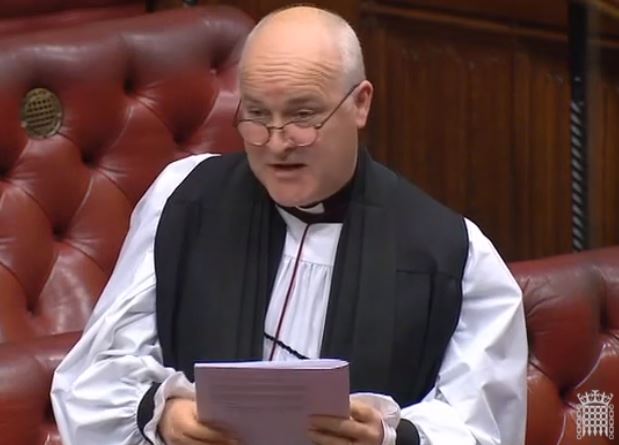
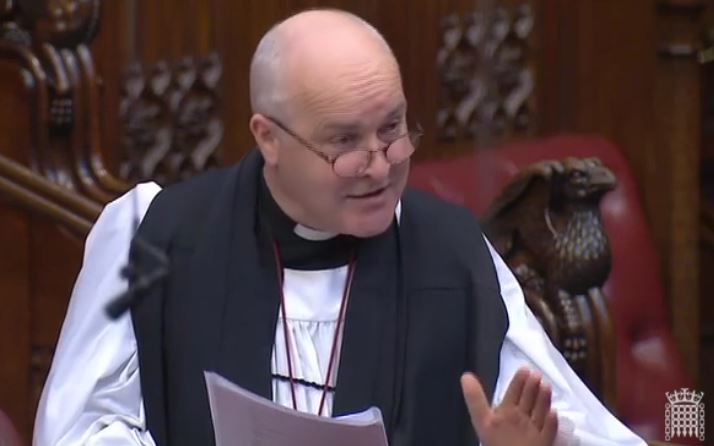
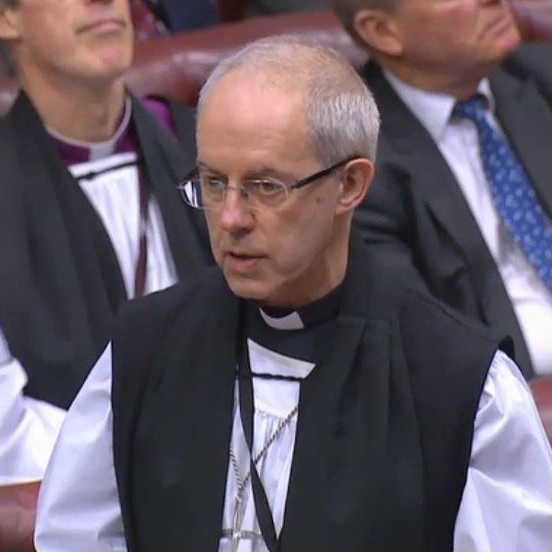
On 6th September 2021, the House of Lords debated the Environment Bill in the first day of the report stage. The Archbishop of York spoke in the debate, supporting an amendment which would require the government to declare a climate and biodiversity emergency:

The Lord Archbishop of York: My Lords, in the Book of Common Prayer, the Lord’s Prayer says:

“Our Father in heaven,

hallowed be your name,

your kingdom come,

your will be done,

in earth as in heaven.”

Continue reading “Environment Bill: Archbishop of York”

Archbishop of York urges government to work with churches and community groups on issues surrounding the Grenfell Tower

On 6th September 2021, the Archbishop of York spoke during a discussion on the aftermath of the Grenfell Tower fire, urging the government to work with faith leaders to facilitate discussions with community members on the demolition of the tower and future use of the site:

The Lord Archbishop of York: My Lords, as I am sure many noble Lords know, my colleague, the Bishop of Kensington, and other community, Christian and faith leaders, have been hugely involved with survivors’ and victims’ groups in Grenfell, where there is, of course, much pain and anxiety caused by the newspaper reports over the weekend. Although it is good to hear the Minister say that there will be discussions with those community groups, I urge him to consider working with the Church and other community leaders to have these discussions as a matter of urgency, because there is such concern raised at the moment and people feel as though—whether the feeling is correct or not—they are not being consulted.

Continue reading “Archbishop of York urges government to work with churches and community groups on issues surrounding the Grenfell Tower”

Archbishop of York asks about expedition of Afghan refugee claims

The Archbishop of York asked a question on the expedition of new and existing asylum claims for Afghan nationals in the UK on 6th September 2021, during a debate on the progress of bilateral return agreements with EU states for the return of asylum seekers arriving in the United Kingdom:

The Lord Archbishop of York: My Lords, care and justice for asylum seekers is obviously a matter very close to the heart of the Church, Jesus himself being a refugee. Last week, the Church of England published a toolkit for the many churches that have asked us what they can do to support Afghan refugees. The Minister will know that the Church and other faith communities are among the main support works for asylum seekers. There are more than 3,000 Afghan nationals with existing asylum claims waiting for a decision, some of whom have been waiting a long time. What steps are the Government taking to expedite procedures for dealing with existing or new asylum claims by Afghan nationals, given the very changed situation and the particular stress and trauma felt by these people?

Continue reading “Archbishop of York asks about expedition of Afghan refugee claims”

Archbishop of Canterbury urges that “morals, not numbers” guide UK refugee policy towards Afghans

During a meeting of the House of Lords on 18th August 2021 to discuss the situation in Afghanistan following withdrawal of international troops and the Taliban entering Kabul, the Archbishop of Canterbury paid tribute to the people of Afghanistan and urged that the government policy towards refugees be guided by morality rather than numbers:

The Lord Archbishop of Canterbury: My Lords, I look forward especially to hearing noble and gallant Lords, diplomats and others with local knowledge of Afghanistan. We rightly remember the courage, suffering and sacrifice over the past 20 years and the courage being shown currently by our ambassador and service- people in Afghanistan, together with their colleagues, and reporters.

When we look back, I remember a cathedral full for the funeral of a soldier: family and many colleagues silent in dignity, some wounded, mourning their loss. The failure we face today is not military or diplomatic—they did all they could—it is political. Recovery and hope will come to Afghanistan with our supporting commitment to the neediest and most desperate. We have proven capacities in soft as well as hard power. We owe an absolute, lavishly generous moral covenant to all those who are at risk because they served with us in Afghanistan or took seriously our frequently professed commitment to its future, women and girls included.

Continue reading “Archbishop of Canterbury urges that “morals, not numbers” guide UK refugee policy towards Afghans”

Bishop of St Albans asks about expansion of broadband coverage

The Bishop of St Albans received the following written answer on 2nd February 2021:

The Lord Bishop of St Albans asked Her Majesty’s Government, further to their report Planning for Gigabit Delivery in 2021, published on 22 December 2020, what percentage of (1) “red: large contract procurement areas”, (2) “blue: small procurement areas”, and (3) “grey: forecast build areas”, will be covered by gigabit broadband by 2025.

Continue reading “Bishop of St Albans asks about expansion of broadband coverage”

Bishop of St Albans asks about addressing inequalities in the council tax system

The Bishop of St Albans asked a question on how the government planned to address inequalities in the council tax system on 22nd July 2021:

The Lord Bishop of St Albans: According to the citizens advice bureau, council tax is the most common debt problem faced by families in Britain, with 86,000 people in England struggling to keep up with payments. The current system heavily favours the south-east and disproportionately disadvantages the poor. As part of the levelling up agenda, what consideration have Her Majesty’s Government given to a land value tax to address these inequalities?

Continue reading “Bishop of St Albans asks about addressing inequalities in the council tax system”

Bishop of St Albans asks about access to broadband in rural areas

The Bishop of St Albans received the following written answer on 22nd July 2021:

The Lord Bishop of St Albans asked Her Majesty’s Government what assessment they have made of the effectiveness and cost-effectiveness of OpenRAN (1) as part of their gigabit capable broad rollout, (2) in increasing connectivity to rural communities, and (3) in extending connectivity to rural ‘notspots’.

Continue reading “Bishop of St Albans asks about access to broadband in rural areas”

Skills and Post-16 Education Bill: Bishop of Durham speaks in favour of amendment to standardise funding for students with specific learning difficulties and disabilities

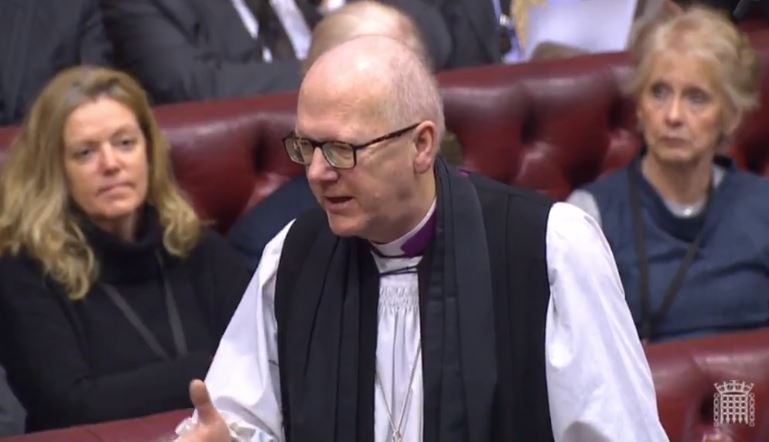
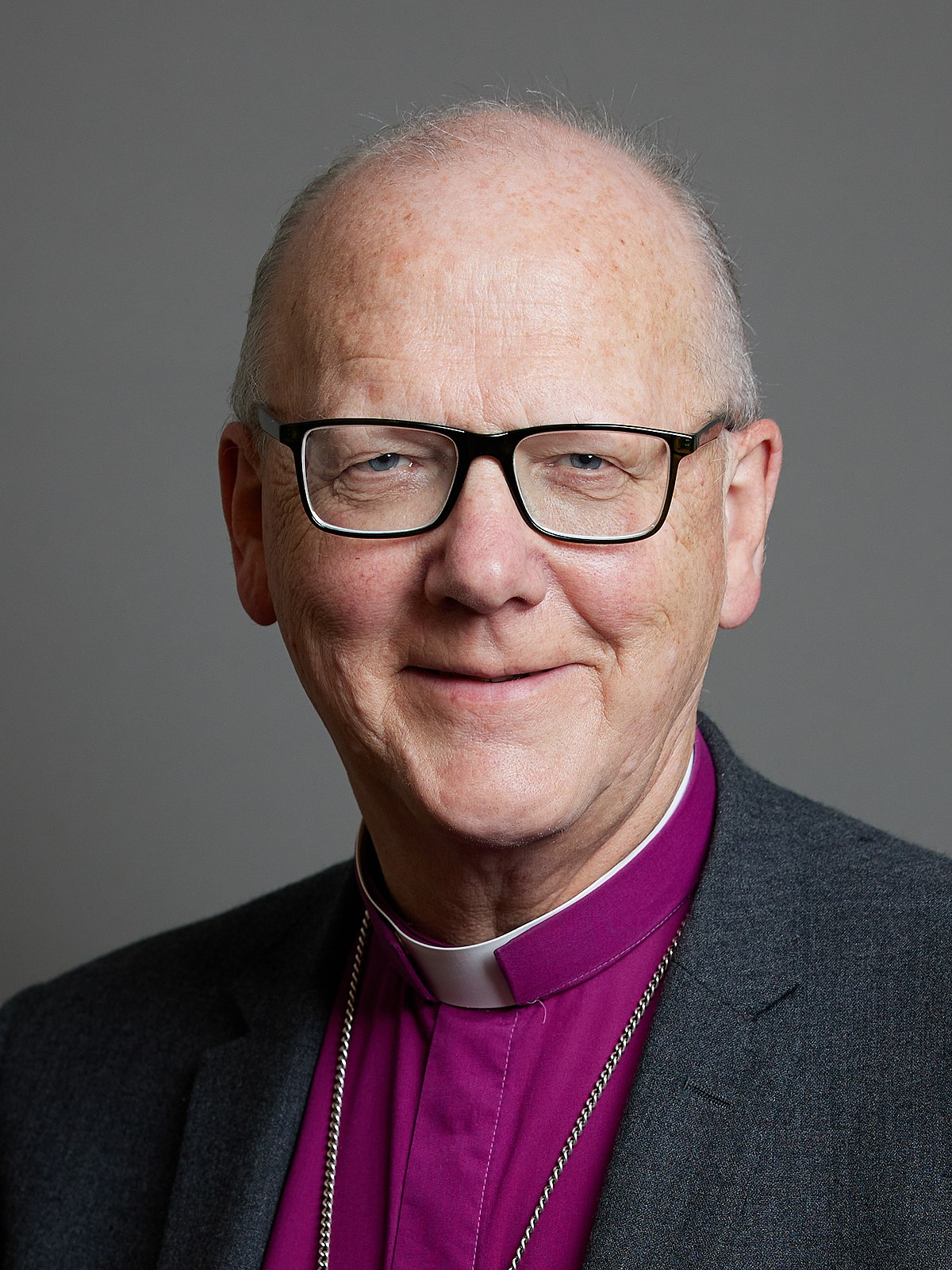
The Bishop of Durham spoke in favour of an amendment to the Skills and Post-16 Education Bill which would aim to remove discrepancies in funding offered to people with specific learning difficulties and disabilities in further education:

The Lord Bishop of Durham: My Lords, as the right reverend Prelate the Bishop of Leeds observed at Second Reading, colleges play a vital role in providing for students with specific learning difficulties and disabilities—the term widely used in further education as being broader than the “special educational needs” used elsewhere. This amendment seeks to address the discrepancy between the range and funding available to younger students with specific learning difficulties or disabilities, principally those in school settings or specialist institutions, and those applicable to students in FE. It seeks also to harmonise best practice across the FE and HE sectors, as the noble Lord, Lord Addington, outlined a few moments ago. It connects with the earlier Amendments 41 and 43 to 46, especially the requirement to review how well the education and training provided by an institution meet the needs of those with special educational needs in its area, and with Amendment 99, which places a specific duty on the Secretary of State to this end.

Continue reading “Skills and Post-16 Education Bill: Bishop of Durham speaks in favour of amendment to standardise funding for students with specific learning difficulties and disabilities”

Skills and Post-16 Education Bill: Bishop of Durham tables amendment to specify long term funding plans for further education

On 21st July 2021, the Bishop of Durham tabled a probing amendment to the Skills and Post-16 Education Bill which would require the government to set out a long term funding plan for further education:

The Lord Bishop of Durham:

90B: After Clause 25, insert the following new Clause—

“Long-term funding review

(1) The Secretary of State must commission a panel of experts to review of the long-term funding for skills and post-16 education.(2) The panel must consider and make recommendations about—(a) resources available for different types of technical training, further education and higher education; (b) support for disadvantaged students and those with special education needs;(c) the impact of this Act on the long-term funding for skills and post-16 education.(3) The panel must conclude their review and make a report to the Secretary of State with their findings and recommendations.(4) Within the period of one year beginning with the day on which this Act is passed, the Secretary of State must lay the panel’s report before Parliament.”Member’s explanatory statement

This is a probing amendment, intended to draw out the Government’s plans to introduce a longer-term funding settlement for FE, as called for by the Education Select Committee, prefigured in the White Paper and signalled, as the direction of travel by recent increases in core FE funding, capital funding allocations and the longer term Lifelong Learning Entitlement.

Continue reading “Skills and Post-16 Education Bill: Bishop of Durham tables amendment to specify long term funding plans for further education”

Skills and Post-16 Education Bill: Bishop of Durham tables amendment removing restriction on claiming universal credit for those in education

On 21st July 2021, the House of Lords debated the Skills and Post-16 Education Bill in the fourth day of the committee stage. The Bishop of Durham tabled a probing amendment to the bill which would remove restrictions on claiming universal credit from those receiving education:

The Lord Bishop of Durham:

90A: After Clause 25, insert the following new Clause—

“Universal credit conditions: receiving education

(1) In section 4 of the Welfare Reform Act 2012—(a) in subsection (1) omit paragraph (d), and(b) omit subsection (6).(2) The Secretary of State may by regulations made by statutory instrument make consequential provision.(3) A statutory instrument containing regulations under this section is subject to annulment in pursuance of a resolution of either House of Parliament.”Member’s explanatory statement

This amendment would remove the restriction that those “receiving education” cannot claim Universal Credit, which at present may impede some of the most disadvantaged from benefitting from learning opportunities. It is intended to probe how the Government plans to incentivise take-up of training programmes, and to elicit how cross-departmental working can be made more effective in transforming learning and skills.

Continue reading “Skills and Post-16 Education Bill: Bishop of Durham tables amendment removing restriction on claiming universal credit for those in education”