
On the 12th of September The Rt Revd Rachel Treweek, Bishop of Gloucester, led a debate in the House of Lords on a motion ‘to ask Her Majesty’s Government what assessment they have made of the ability of women’s centres to improve outcomes in the justice system’. Her speech introducing the debate, and the response of the Minister, are reproduced below. The speeches by other Members contributing to the debate can be seen at Parliament.uk
 The Lord Bishop of Gloucester: My Lords, it is a great honour and privilege to introduce this debate. I thank all noble Lords who have agreed to contribute to it; I am especially grateful to the noble Baroness, Lady Sater, for choosing to make her maiden speech in it. I know that her extensive experience in business and the charitable sector, as well as her time working on the Youth Justice Board and as a magistrate, will inform many excellent contributions to this House. I look forward to her speech. Continue reading “Bishop of Gloucester leads debate on positive impact of women’s centres in the justice system”


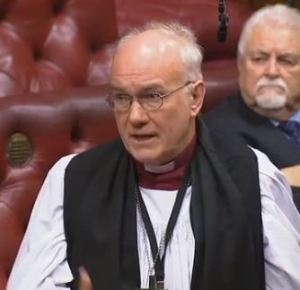 The Lord Bishop of Chester: My Lords, I wholeheartedly endorse and support what has been said about this strategy. I know from my pastoral work how the effects of crime can resonate throughout people’s lives, not least when it comes to sexual abuse that happened a long time ago. Nevertheless, can the noble and learned Lord comment on the term “victim” and when its use is appropriate and when it is not?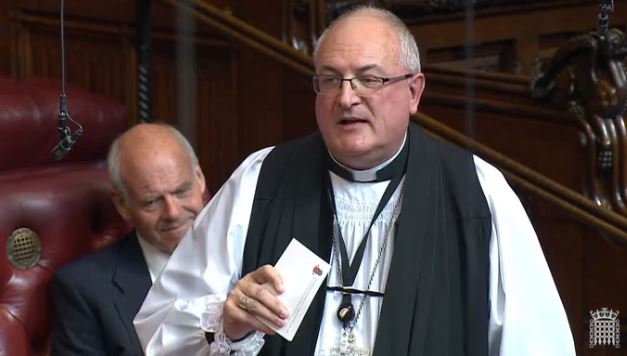
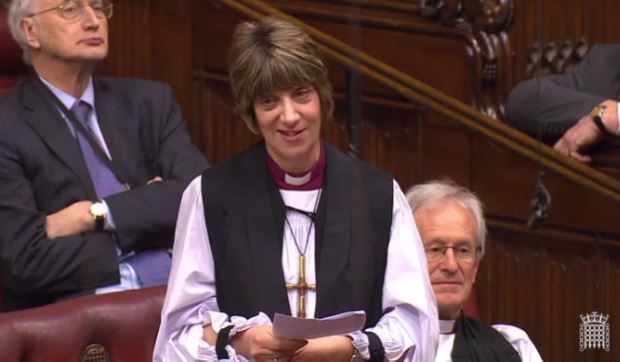 The Lord Bishop of Gloucester: My Lords, I too thank the noble Lord, Lord Bird, for bringing this important debate today. It is encouraging to see some new energy in the Ministry of Justice, and some recent government announcements have been very encouraging, not least the female offender strategy. However, as has been said, it is important to acknowledge that so often prison will not be able to meet the rehabilitative needs of the people who are sent there.


You must be logged in to post a comment.