
On 30th November the Bishop of St Albans received a written answer to three questions on gambling regulation and children:
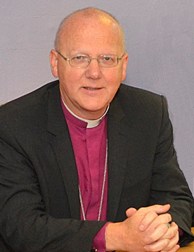 The Lord Bishop of St Albans: To ask Her Majesty’s Government, further to the Written Answer by Baroness Barran on 10 November (HL9946), what representations they have made to the (1) Gambling Commission, and (2) Electronic Money Association, about encouraging the providers of e-wallets to introduce gambling blocks. [HL10374]
To ask Her Majesty’s Government, further to the Written Answer by Baroness Barran on 10 November (HL9946), what representations they have made to the Gambling Commission to encourage building societies to introduce gambling blocks on personal current accounts and credit cards. [HL10375] https://questions-statements.parliament.uk/written-questions/detail/2020-11-16/hl10375
To ask Her Majesty’s Government, further to the findings of the survey published by the Gambling Commission Young People & Gambling 2020, published in August, what representations they have made to the Advertising Standards Authority on what further measures can be taken to reduce childhood exposure to gambling. [HL10376] https://questions-statements.parliament.uk/written-questions/detail/2020-11-16/hl10376
Continue reading “Bishop of St Albans asks Government about gambling regulation and children”
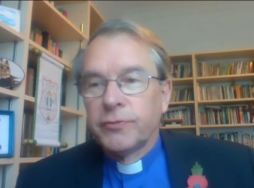 The Lord Bishop of Durham [V]: Regarding the voice of children and young people, if Article 12 had been in law, what might their input have been on their own situation in schools, universities and the like through the pandemic?
 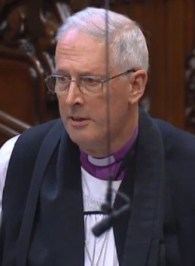 The Lord Bishop of Southwark: My Lords, I speak in favour of the amendment moved by the noble Lord, Lord Dubs. In doing so, I speak not only on my account but also in place of the right reverend Prelate the Bishop of Durham, who is locked down in the north-east and therefore, because of the procedures for consideration of Commons amendments, is unable to speak on this amendment, although that had been very much his intention.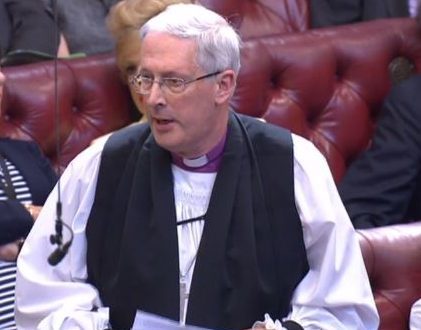
 The Lord Bishop of Oxford [V]: My Lords, I thank the Minister for her Answer and for what the Government have already done. Before the pandemic, 23% of children in socioeconomic groups D and E lacked home broadband and access to laptops, et cetera. Does the Minister agree that we now need to measure data poverty and its effects more carefully? Will the Government commit to legislating for household digital access to be treated as a utility on an equal footing with the right to access for water and heat—a change supported by the general public?
  The Lord Bishop of Gloucester: My L


You must be logged in to post a comment.