
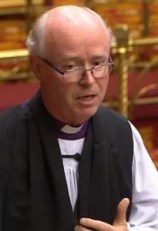
 On 9th January 2020, Baroness Massey of Darwen asked the Government, “following their ratification of the UN Convention on the Rights of the Child, what plans they have to promote children’s rights and well-being across government departments in this Parliament”. The Bishop of Rochester, Rt Revd James Langstaff, asked a follow-up question:
The Lord Bishop of Rochester: My Lords, I have two particular groups of children in mind whose well-being is often compromised. The first are those who have a parent or other primary carer on the cusp of going into custody. What plans do Her Majesty’s Government have to ensure that sentencers, including magistrates, are aware of the new guidance from the Sentencing Council on this matter? On looked-after children, what intentions do Her Majesty’s Government have to further promote the vocation—it is a vocation—to become a foster carer or an adopter? Continue reading “Bishop of Rochester asks Government about children of prisoners, improving fostering and adoption”
 On 22nd October 2019 Parliament continued to debate the Queen’s Speech, including scrutiny of measures relating to Health and Social Care. The Bishop of London, Rt Revd Sarah Mullally (and formerly Chief Nursing Officer for England), contributed to the debate:
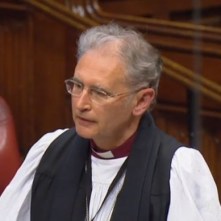 The Lord Bishop of Coventry: My Lords, several heads in Coventry and Warwickshire have told me about the heavy demands on their energies and budgets from, to quote one primary head, children who are not on the SEN register but face horrific circumstances at home and so need extra help; for example, families who are homeless through domestic violence and children whose mental health is so poor—these are nine year-olds—that they threaten suicide. Does the Minister recognise the pressures on schools in mainstream education from children who do not meet the thresholds of special needs but who nevertheless have severe needs and require acute support? Is he confident that there is sufficient funding for them?
 On 1st October 2019 Lord Keen of Elie moved a draft order for approval: the Legal Aid, Sentencing and Punishment of Offenders Act 2012 (Legal Aid for Separated Children) (Miscellaneous Amendments) Order 2019. The motion was agreed by the House, and the Bishop of Newcastle, Rt Revd Christine Hardman, contributed to the debate:
 On 25th September 2019 the House of Lords took note of the Government’s Spending Round 2019. The Bishop of Durham, Rt Revd Paul Butler, contributed to the debate:
 On 3rd September 2019 the Leader of the Lords, Baroness Evans of Bowes Park, repeated a Government Statement about the G7 summit in Biarritz. The Bishop of Durham asked a follow-up question about girls’ education in Burundi:
 On 7th August 2019 the Bishop of Durham, Rt Revd Paul Butler, received a written answer from Government regarding the children of restricted immigrants:
 On 30th July 2019 the Bishop of Durham, Rt Revd Paul Butler, received a written answer, from Lord Agnew of Oulton, regarding free school meals for children of those with no recourse to public funds because of their immigration status:
 On 30th July 2019 the Bishop of Durham, Rt Revd Paul Butler, received a written answer from Government, in reply to three questions about children and vulnerable EU nationals and the EU Settlement Scheme:

You must be logged in to post a comment.