Bishop of London raises impact of COVID-19 pandemic and health inequalities on during debate on social cohesion

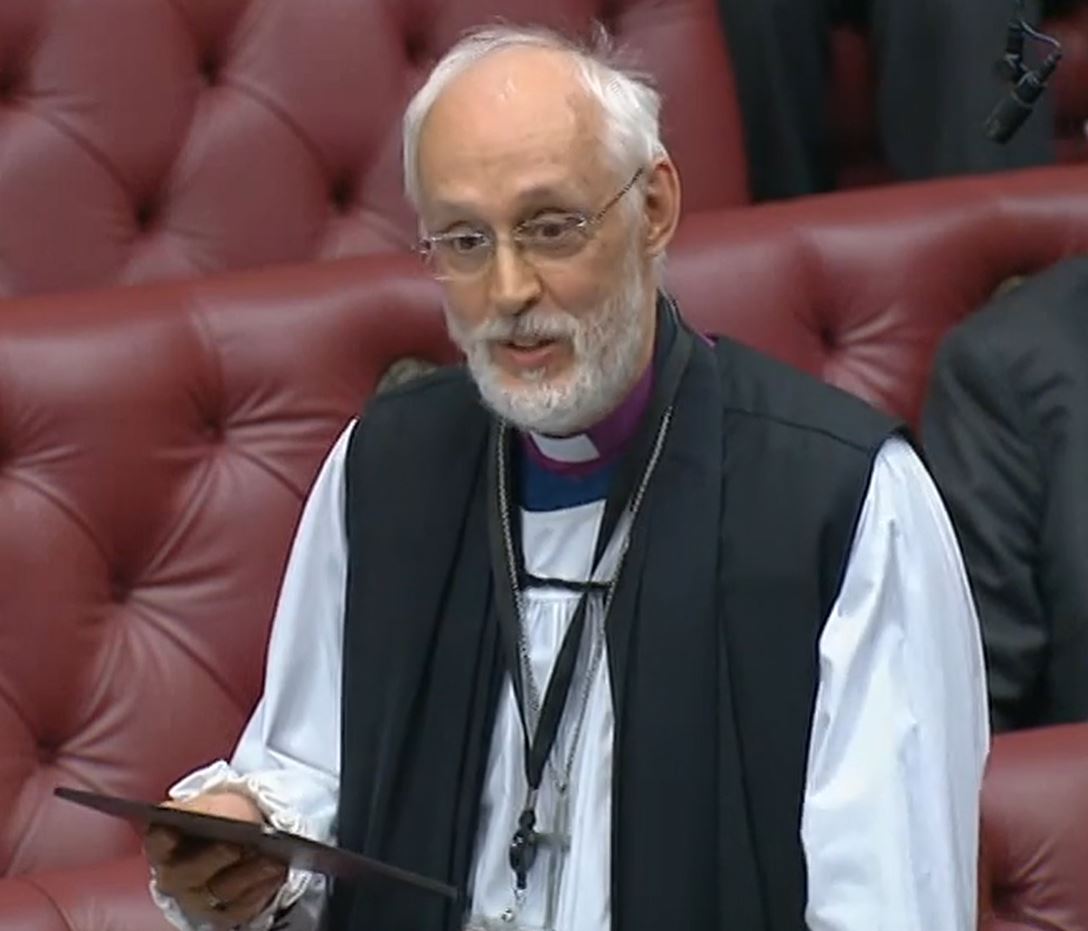
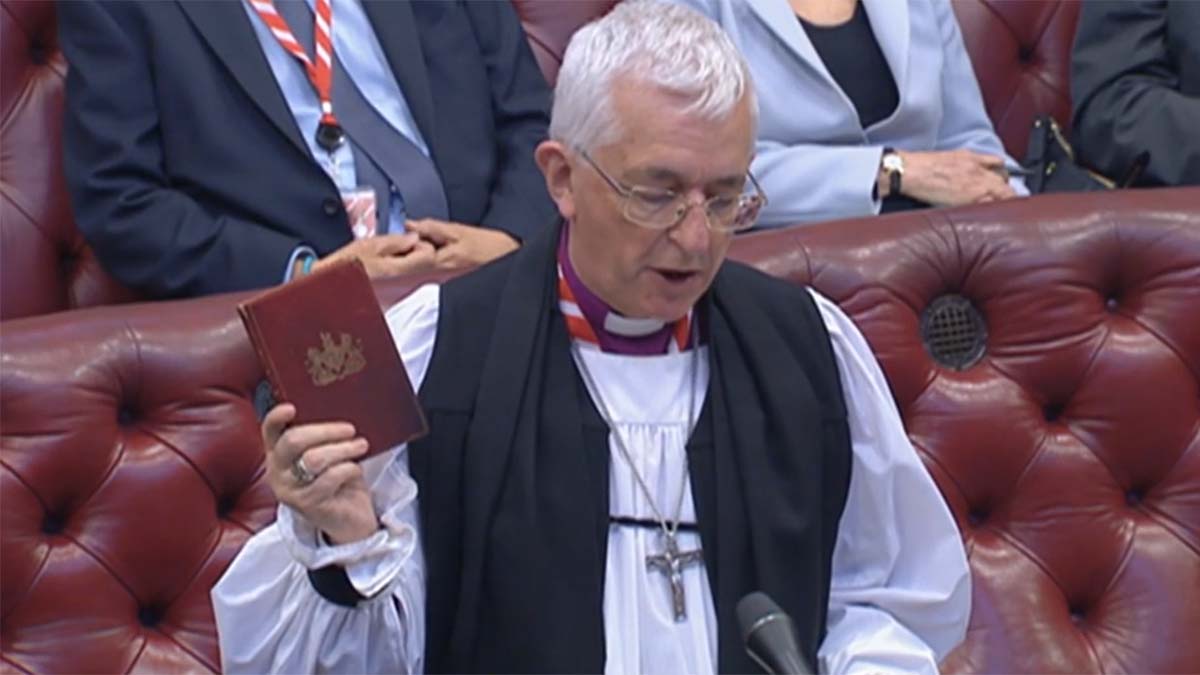
The Bishop of London spoke in the Archbishop of York’s debate on social cohesion on 6th December 2024, speaking on the impact of the COVID-19 pandemic and the effects of widespread health inequalities in the UK:

The Lord Bishop of London: My Lords, I declare my interests as set out in the register, particularly as a commissioner on the National Preparedness Commission. I am glad to be taking part in this debate today. It is a privilege to follow the noble Baroness, Lady Bottomley, and I look forward to the maiden speech of the noble Lord, Lord Sharma, who has much to offer this House. I have the privilege of being Bishop of London, and I can assure the noble Lord, Lord Lilley, that London is full of great diversity of political views. I extend an invitation to him to come and see where we wrestle with some of our Christian faith and politics.

The riots over the summer were a wake-up call to us all to prioritise community cohesion. There is much to be said about this, and I echo much of what my friend the most reverend Primate has already said. I am going to focus my remarks on two issues which are central to this topic but are particularly related to health, although they have a much wider application, and those two topics are trust and partnership.

First, on trust, as the most reverend Primate indicated, we have much to do to improve trust within the Church of England. Not least, we must ensure we have a greater survivor focus and introduce independent safeguarding and mandatory reporting. I join my friend the most reverend Primate in apologising for the shocking failures that the Makin report highlighted.

Continue reading “Bishop of London raises impact of COVID-19 pandemic and health inequalities on during debate on social cohesion”

Archbishop of York leads debate on social cohesion

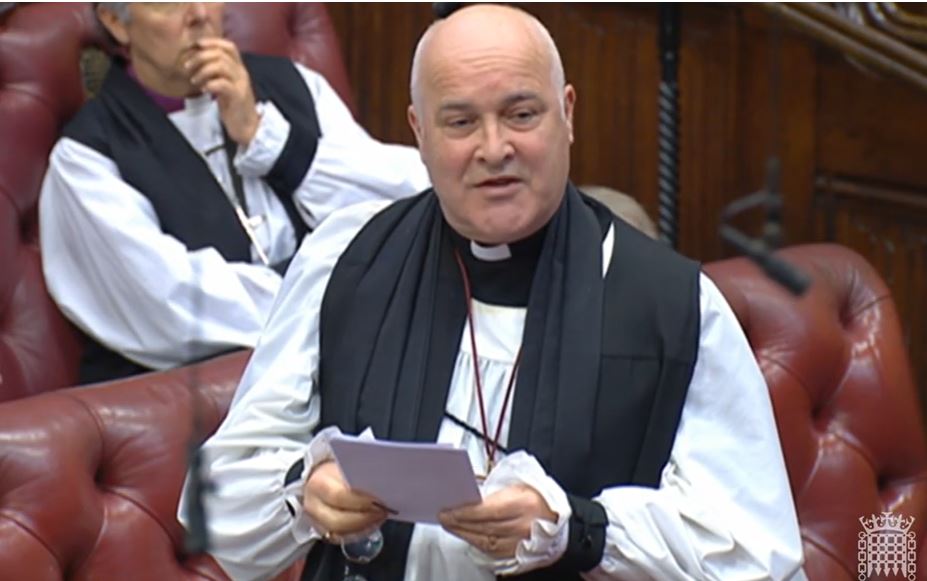
The Archbishop of York led a debate on Social Cohesion and Community during Periods of Change on 6th December 2024:

The Lord Archbishop of York: That this House takes note of the importance of social cohesion and strong, supportive community life during periods of change and global uncertainty.

My Lords, on Monday 29 July this year, just before 11.50 am, police officers were called to a property in Southport, where children attending a dance school had been appallingly and ferociously attacked by a man with a knife. Three of the children—Elsie Dot Stancombe, Alice Dasilva Aguiar and Bebe King —died. Many others sustained terrible injuries, and a whole community and many families were devastated and traumatised.

Understandably, horror and anguish convulsed not just Southport but the whole country. Rumours quickly circulated on the internet that the man to blame for this attack was an asylum seeker who had arrived in the UK illegally and was on the MI6 watch-list. This was not true. As a reporter put it a few days later, once lit, the torch paper of disinformation burned quickly. Although this rumour was quickly debunked, in the days that followed, as we know, riots broke out all over our country.

Continue reading “Archbishop of York leads debate on social cohesion”

Bishop of Manchester asks about support for civil society organisations

The Bishop of Manchester asked a question on ongoing support for voluntary civil society organisations providing stress support for communities on 3rd December 2024, following a government statement on anti-social behaviour:

The Lord Bishop of Manchester: My Lords, I declare my interest as the co-chair of the national ethics committee of the National Police Chiefs’ Council. However, it is more in my role as Bishop of Manchester that I am speaking now. I get to go out from time to time at night with Street Angels or Street Pastors groups, as they are sometimes called. Many of these originated in the churches, but they are not exclusively church-based organisations. They provide gentle support on the streets, often late at night in city and town centres, helping to keep the peace. They help to deal with people who have become distressed—perhaps somebody who has had too much to drink and is either not safe themselves or cannot keep those around them safe.

Continue reading “Bishop of Manchester asks about support for civil society organisations”

Bishop of Lincoln asks about child poverty strategy

The Bishop of Lincoln received the following written answer on 22nd November 2024:

The Lord Bishop of Lincoln asked His Majesty’s Government how the Child Poverty Strategy intends to reduce child poverty in rural and coastal communities.

Baroness Sherlock (Lab, DWP): We are committed to delivering our manifesto commitment to tackle child poverty which is why we have set up a Ministerial Taskforce that is urgently working to publish the Child Poverty Strategy in Spring 2025.

Continue reading “Bishop of Lincoln asks about child poverty strategy”

Bishop of St Albans speaks in support of farming families and communities

The Bishop of St Albans spoke in a debate on the continuity of farming families on 21st November 2024, highlighting the levels of stress among farmers and the need to reconcile raising revenue with supporting farming communities:

The Lord Bishop of St Albans: My Lords, I too congratulate the noble Baroness, Lady Northover, on securing this debate. I declare my interests as president of the Rural Coalition and a vice-president of the LGA. I am a farmer’s son, and one of the great privileges of my job serving in a diocese that covers Bedfordshire and Hertfordshire is going into some of the most wonderful, forward-looking and innovative farms in this country, which are at the forefront of farming across Europe.

Even though there are many successful, go-ahead farmers, there is nevertheless a huge level of mental stress among them. That has been true for many years. Sadly, there is an extraordinarily high number of suicides among the farming community. As one elderly farmer put it, “Many of us are feeling so depressed because these announcements suggest that we are not wanted and are worth more dead than alive”. He pointed out that if he manages to die before April 2026, his assets will be passed on; if he does not, the farm will probably not survive.

Continue reading “Bishop of St Albans speaks in support of farming families and communities”

Autumn Budget: Bishop of Newcastle urges government to consider effects on vulnerable groups

The Bishop of Newcastle spoke in a debate on the autumn budget on 11th November 2024, urging the government to carefully consider the impact of the budget on vulnerable groups:

The Lord Bishop of Newcastle: My Lords, I feel my B in GCSE maths is challenging my ability to speak with any fiscal authority in this debate, but I am glad of the opportunity to do so. I offer my congratulations to the noble Lord, Lord Booth-Smith, on his excellent maiden speech and I welcome him to your Lordships’ House.

I recognise that the decisions the Chancellor has made have not been easy, but balanced alongside the Government’s long-term priorities we must consider how this Budget will serve the needs of people who are struggling today, and affect what surely must be a significant long-term ambition—perhaps I can use the word “mission”—to improve social cohesion.

Continue reading “Autumn Budget: Bishop of Newcastle urges government to consider effects on vulnerable groups”

Bishop of St Albans highlights need for investment in rural communities

The Bishop of St Albans spoke in a debate on government priorities for rural communities on 15th October 2024, raising the need for concentrated investment in key sectors such as housing in rural areas:

The Lord Bishop of St Albans: My Lords, I thank the noble Baroness, Lady McIntosh, for getting this debate and I congratulate the noble Lord, Lord Elliott, on his excellent speech. I declare my interest as president of the Rural Coalition.

Rural communities make up nearly 20% of the population. That is similar to the number of people living in London, yet our biggest metropolis, among others, often feels far more integral to our policy and governance than our rural communities do. Rural communities are not just the responsibility of Defra; they are a significant proportion of our population, businesses, services and economy, and they cut across every government department. The specific impacts and challenges of policy rollout in rural areas need to be baked into the decision-making process of every single government department—not an afterthought but integral to the development of policy from the very beginning. Rural concerns are so often given to Defra which, while it has the lead on rural affairs, has very few of the levers necessary to bring about change. The sustainability of our rural communities should be of critical concern to us all, regardless of where we live.

Continue reading “Bishop of St Albans highlights need for investment in rural communities”

Bishop of Lincoln speaks in debate on European Relations

On 10th October 2024, the Bishop of Lincoln took part in a debate on relations between the UK and Europe, highlighting the value in strong community relationships:

The Lord Bishop of Lincoln: My Lords, I am grateful to the noble Baroness, Lady Smith, for having made this debate possible and am looking forward to the speech of the noble Baroness, Lady Hodge, directly after this. Her experience as MP for Barking highlights how important it is that we are alert to the risk that cultural and ethnic diversity in our country can be exploited by extremists, and how important it is for us, as faith communities, not to have our faith and belonging co-opted by extremists in the way that we saw in the summer.

Faith and culture must not be seen as a cause of conflict. Our beliefs and values enrich and inspire us; these are the foundations of both individual and communal strength. Our cultural diversity, moreover, is a source of vitality, creativity and wisdom, but only when we are able to come together in dialogue, study and celebration. Faith remains a key feature of modern society in the UK and across Europe. It is worth remembering that Christianity, Islam and Judaism all have roots in the Middle East and long histories in Europe. It is vital that we build constructive relationships between these significant faith communities as we look towards a more positive future.

Continue reading “Bishop of Lincoln speaks in debate on European Relations”

Bishop of Oxford asks about community cohesion

The Bishop of Oxford asked a question on government efforts to encourage community cohesion on 8th October 2024, following a statement marking the anniversary of the October 7th attacks in Israel and the ongoing conflict in the Middle East:

The Lord Bishop of Oxford: My Lords, I thank the Minister for her very compassionate and clear Statement and the tone in which it was delivered. I also thank other noble Lords who have spoken and no doubt those who will speak about these terrible, terrible events and the effect they are having on our own communities.

Continue reading “Bishop of Oxford asks about community cohesion”

Bishop of Lichfield asks about funding for interfaith community work

The Bishop of Lichfield asked a question on government support for community interfaith initiatives on 9th September 2024, during a discussion on drivers of prejudice and hate-crimes against Muslims:

The Lord Bishop of Lichfield: My Lords, some of the most valuable and effective work that is being done to improve community relations, and so to counter religious hate crime and prejudice, is at a local and grass-roots level; for example, in Walsall we have community iftars, church-mosque twinnings, multifaith drama groups, and so on. Can the Minister tell us what the Government are providing in funding and support for local initiatives and groups of that kind?

Continue reading “Bishop of Lichfield asks about funding for interfaith community work”