Bishop of Bristol calls for peacebuilding initiatives alongside Strategic Defense Review

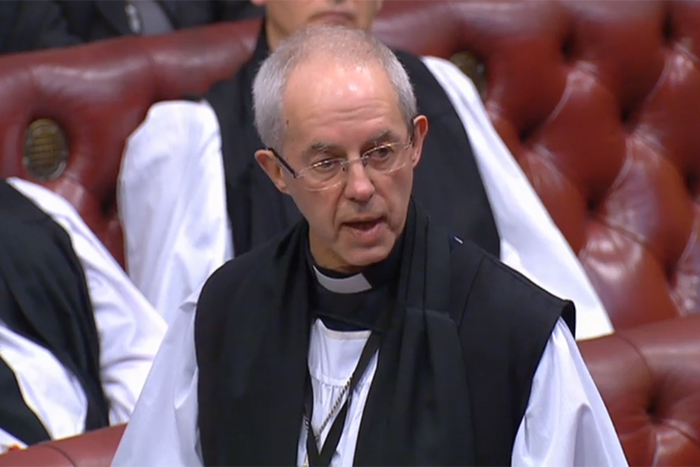
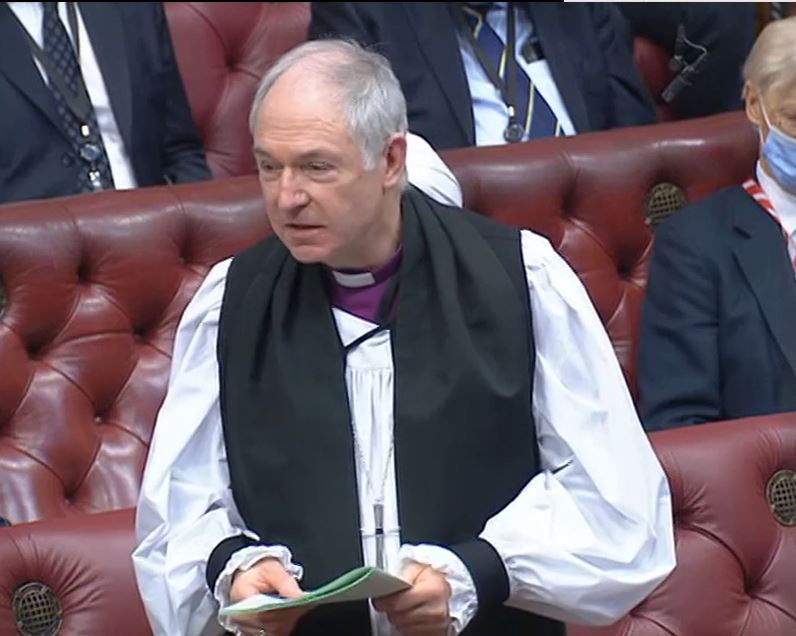
The Bishop of Bristol made her final speech in the House of Lords during a debate on the Strategic Defence Review on 18th July 2025:

The Lord Bishop of Bristol: My Lords, I am grateful to the noble Lord, Lord Robertson, for bringing the SDR to debate to this House, and I look forward to continuing to hear this House’s wide-ranging expertise. I also look forward to the maiden speech of the noble Lord, Lord McCabe.

George Bell, formerly the Bishop of Chichester, thought deeply about the ethics of international relations and spoke, on occasions controversially, in this House about his conclusions. Speaking more generally of the Church in wartime—and I too believe that we are in a time of considerable risk of war—he asserted that the task of the Church, in its service and witness, was to be the Church, and often, that would be in practical endeavour within a whole-society response.

Last weekend the General Synod of the Church of England in York responded to the current international threat level very practically by providing new legislative arrangements to hold the records of military chaplains centrally, not locally. That will allow chaplains, regular or reservists, to be licensed to move much more rapidly into operation. I commend this new legislation to members of the Ecclesiastical Committee and to the whole House, as the Church seeks to support the aim of increasing agility in deployment.

Continue reading “Bishop of Bristol calls for peacebuilding initiatives alongside Strategic Defense Review”
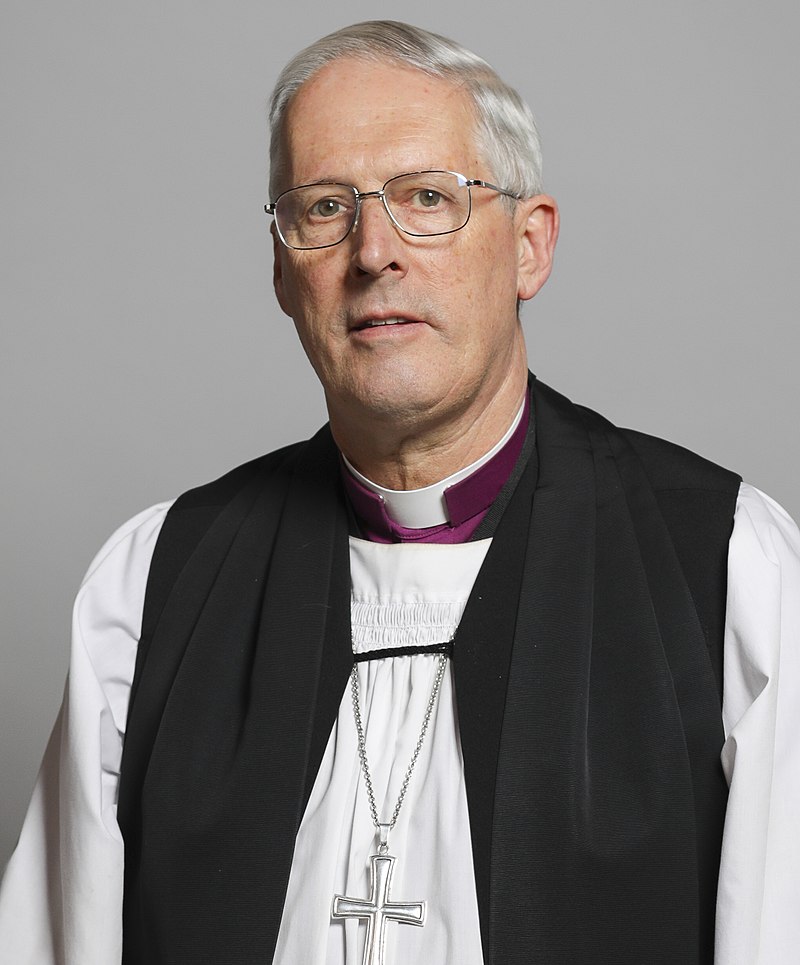
Bishop of Leeds, Bishop of St Albans, and Bishop of Winchester ask about conflict in the Democratic Republic of the Congo

The Bishop of Leeds, the Bishop of St Albans, and the Bishop of Winchester received the following written answers on 12th April 2025:

The Lord Bishop of Leeds asked His Majesty’s Government:

  • what military support they are providing to the government of Rwanda for (1) training, (2) technology, (3) tactics, and (4) weapons licensing, and whether they have reviewed these arrangements following the support by the government of Rwanda for M23 rebels in eastern Democratic Republic of the Congo.
  • what financial support, debt relief and development assistance they are providing to Rwanda, and what steps they will take to review these arrangements as a result of the support by the government of Rwanda for M23 rebels in eastern Democratic Republic of the Congo.
Continue reading “Bishop of Leeds, Bishop of St Albans, and Bishop of Winchester ask about conflict in the Democratic Republic of the Congo”

Bishop of Southwark asks about prospect of negotiated peace settlement between Armenia and Azerbaijan

The Bishop of Southwark received the following written answer on 10th March 2025:

The Lord Bishop of Southwark asked His Majesty’s Government what assessment they have made of the prospects of a negotiated peace settlement between Armenia and Azerbaijan.

Continue reading “Bishop of Southwark asks about prospect of negotiated peace settlement between Armenia and Azerbaijan”

Bishop of Bristol highlights importance of community and interfaith relations in promoting social cohesion

The Bishop of Bristol spoke in the Archbishop of York’s debate on social cohesion on 6th December 2024, raising local examples from the city of Bristol and the importance of community and interfaith outreach:

The Lord Bishop of Bristol: My Lords, I too am grateful to the most reverend Primate for securing this debate and setting its tone. I am also very grateful to the noble Lord, Lord Sharma, for his impressive speech, and look forward to many more contributions from him in this Chamber. I am glad to follow the noble Lord, Lord Elliott, and realise that there is more that unites us than divides us. Indeed, there are overlaps with many of the contributions from the Benches opposite in what I am about to say, because I want to speak of a particular place and of particular people.

I begin with Liverpool, as the noble Lord, Lord Elliott, mentioned. It was David Sheppard who, as Bishop of Liverpool, ordained me deaconess in Liverpool Cathedral and helped me to understand the stresses that port cities experience as global trade and human migration patterns shift. Port cities absorb, endure or thrive on the consequent change. Bishop David and his Archbishop and Free Church colleagues were well aware that social unrest was a symptom of the impact of felt injustice and a stimulus to work to create justice and peace. “Better together” was their theme and their motto in a city divided on economic, racial and religious grounds.

Continue reading “Bishop of Bristol highlights importance of community and interfaith relations in promoting social cohesion”

Bishop of Leeds asks about diplomatic efforts to secure a resolution to the conflict in Sudan

The Bishop of Leeds received the following written answer on 15th May 2024:

The Lord Bishop of Leeds asked His Majesty’s Government what diplomatic action they are taking, along with international partners, to secure a peaceful resolution to the conflict in Sudan; and what consideration they have given to appointing a dedicated envoy for Sudan.

Continue reading “Bishop of Leeds asks about diplomatic efforts to secure a resolution to the conflict in Sudan”

Archbishop of Canterbury calls for peacebuilding to be prioritised in UK foreign policy

The Archbishop of Canterbury gave a speech in response to a motion to take note of the UK’s position on foreign affairs on 5th March 2024, expressing the hope that peacebuilding would be a focus of the government’s foreign policy:

The Lord Archbishop of Canterbury: My Lords, I join in the tributes to the noble Lord, Lord Ahmad, for his opening and his many distinguished years of service—may he continue in his current position—and to the energy that the noble Lord, Lord Cameron, as Secretary of State, has brought to the present process and this debate.

I want to focus, as the noble Baroness, Lady Smith of Newnham, did, on the means rather than the end. Like many noble Lords here, I was in Ukraine three weeks ago—for about a week, in my case—in Kyiv and Odesa. I was there, coincidentally, at the same time as the head of the European foreign service, and we managed, with some of his staff, accidentally to be in the same bomb shelter at the same time, which gives one an opportunity to talk to people. One of the things that came across was the determination of Europe to protect Ukraine from defeat—to support it. However, in conversations with senior politicians in Ukraine, as well as the most senior religious leaders in that very religious country, the question they put was not just what the West intends and what the UK intends—their warm words about the UK were very striking—but what were the means to those ends. You do not win wars by good intentions.

Continue reading “Archbishop of Canterbury calls for peacebuilding to be prioritised in UK foreign policy”

Bishop of Worcester asks about government approach to peace process in Israel and Gaza

The Bishop of Worcester received the following written answer on 24th January 2024:

The Lord Bishop of Worcester asked His Majesty’s Government what steps they are taking (1) to assess the lessons of the Oslo peace process, especially in relation to the inclusion of regional actors, and (2) to apply those lessons in their response to current calls from regional players for a ceasefire in Gaza.

Continue reading “Bishop of Worcester asks about government approach to peace process in Israel and Gaza”

Bishop of Exeter asks about resolution to doctors’ strikes

The Bishop of Exeter tabled a question on what progress the government had made towards resolving strikes by NHS doctors on 5th July 2023:

The Lord Bishop of Exeter: To ask His Majesty’s Government what progress they have made towards resolving the strikes by doctors in the NHS.

Lord Markham (Con): My Lords, the Government have been clear that we want to resolve the strikes by doctors. We negotiated in good faith with the BMA’s junior doctors committee in May. The Government stand ready to meet junior doctors again if they move from their unreasonable ask of a 35% pay rise this year. We also want to open negotiations with consultants. We encourage unions to come to the negotiating table rather than proceeding with strike action.

Continue reading “Bishop of Exeter asks about resolution to doctors’ strikes”

Bishop of Coventry asks about incursion of Azerbaijani troops into Armenian territory

On 15th November 2021, Bishop of Coventry asked a question on UK government efforts to help ensure the integrity of Armenia’s borders following incursions by Azerbaijani troops:

The Lord Bishop of Coventry: My Lords, in June, I visited the border inclusion area of Syunik province, at an earlier stage than the noble Baroness, Lady Cox. In Khoznavar, the incursion had cut off the nearby village from its main water source, and access to grazing land had been denied, threatening the survival of this poverty-stricken village. Following my letters of 7 July to the Foreign Secretary and of 5 November to the Minister for Europe and Americas, what further steps are Her Majesty’s Government taking to challenge those illegal incursions, to ensure the integrity of Armenia’s borders and to press for the withdrawal of Azerbaijani troops according to the terms of the November 2020 ceasefire?

Continue reading “Bishop of Coventry asks about incursion of Azerbaijani troops into Armenian territory”

Archbishop of Canterbury leads debate on reconciliation in British foreign, defence and international development policy

On 14th December 2018 the Archbishop of Canterbury, Most Revd Justin Welby, led a debate in the House of Lords on the Motion: “that this House takes note of the role of reconciliation in British foreign, defence and international development policy”.  The Archbishop’s opening and closing speeches in the debate are below. The Bishop of Coventry also spoke in the debate and his speech can be seen here.

The Archbishop of Canterbury: My Lords, I am grateful to the usual channels for permitting this debate; to the noble Lord, Lord Collins of Highbury, for responding on behalf of the Opposition; to the noble Lord, Lord Alderdice; and to the Minister, the noble Earl, Lord Howe, for their time and contributions today. My noble kinsman Lord Williams of Elvel said when I came into the House some years ago, “The wonderful thing about the House of Lords is that whatever you say, there will be a world expert listening to you”. Looking down the list of those who will contribute today, I am conscious of the expertise in the House, including a Nobel laureate, and I am greatly looking forward to hearing from noble Lords whose combined expertise and experience is sure to provide us with much to reflect on.

Continue reading “Archbishop of Canterbury leads debate on reconciliation in British foreign, defence and international development policy”