
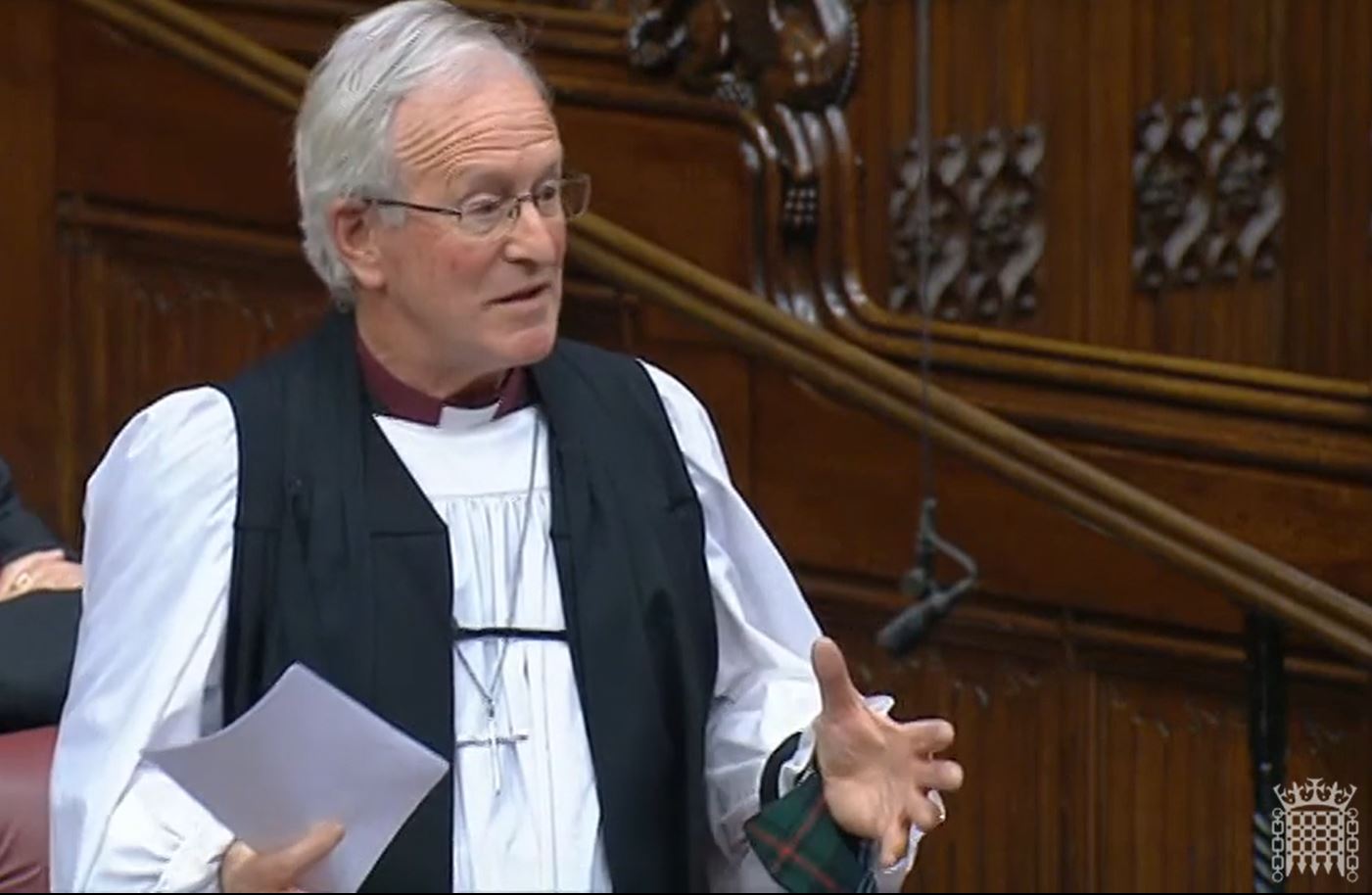
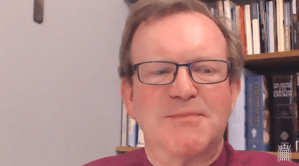
On 12th January 2021, the Bishop of Birmingham asked a question on the future impact of economic recovery from the COVID-19 Pandemic:
The Lord Bishop of Birmingham [V]: I am grateful for the much-appreciated provisions made by the Chancellor so far in this extreme crisis and for his honesty in outlining the significant harm already caused to the economy by the pandemic. Will the Minister reassure the House that, following these emergency measures, many of which have been outlined just now, there are plans and policies already being formed for a recovery? Would he indicate some of the economic and social principles that the Government will be applying in leading the recovery? In addition to the question from the noble Lord, Lord Balfe, will the inevitable need to rebalance the public finances not unfairly burden the poorest?
Continue reading “Bishop of Birmingham asks about impact of economic pandemic recovery” The Lord Bishop of St Albans: To ask Her Majesty’s Government, further to the Written Answer by Lord Agnew of Oulton on 3 December (
 The Lord Bishop of Portsmouth [V]: My Lords, I was delighted to hear the Chancellor stress that the Government would continue to support the most vulnerable, but the proof of that assertion will be in how much money the Government are prepared to provide. That will be the barometer of what and who they consider most important. I therefore join my voice to those profoundly deprecating the proposed cut in development aid. I urge the Government to think again.
  The Lord Bishop of St Albans: To ask Her Majesty’s Government, further to their response to the report by the Select Committee on the Rural Economy Time for a strategy for the rural economy (HL Paper 330, Session 2017-19), what progress they have made towards their strategic vision for rural communities.
  The Lord Bishop of Portsmouth [V]: My Lords, I welcome the Government’s desire to protect jobs and livelihoods, but can the Minister confirm that the extension of the furlough scheme until March—a full five months—is based on the assumption and expectation that those jobs, or at least the vast majority of them, will be ready to return to unchanged? That is a bold assumption. If it is not the case, what strategy do the Government have now for addressing the transitional challenges for those whose jobs will disappear? This Statement was made late, in haste. Tackling the jobs issue in March is tackling it too late.
  Asked by The Lord Bishop of Oxford


You must be logged in to post a comment.