
On 20th May 2020, Lord Watson of Invergowrie asked the Government “what action they are taking to publish scientific evidence which (1) ensures the re-opening schools on 1 June will be safe for pupils, staff and parents, and (2) includes the impact on the (a) national, and (b) regional, reproduction rates (R number) of COVID-19“. The Bishop of Winchester, Rt Revd Tim Dakin, asked a follow-up question:

The Lord Bishop of Winchester: My Lords, as with many schools, Church of England schools have remained open during the lockdown for the children of key workers and vulnerable children. Our teachers are working extremely hard to provide educational and pastoral support to our students at this time of unprecedented challenge. Can the Minister confirm whether school leaders will be granted the discretion to reopen at a pace dictated by their local circumstances and context, considering the significant mental, spiritual, physical and social impact that the current situation is having on children, especially those from the most disadvantaged and vulnerable families?
Continue reading “Bishop of Winchester asks Government about reopening schools”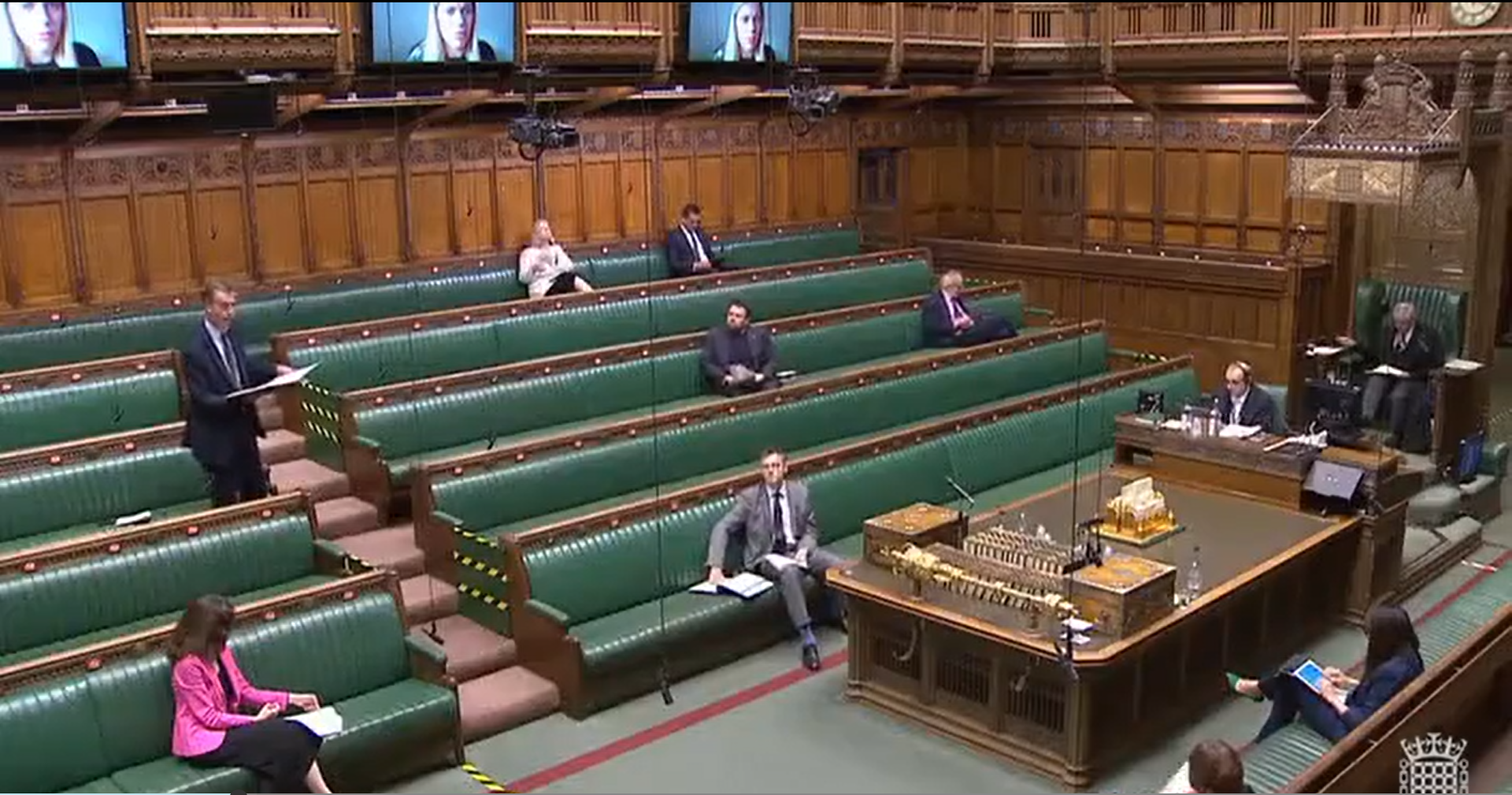
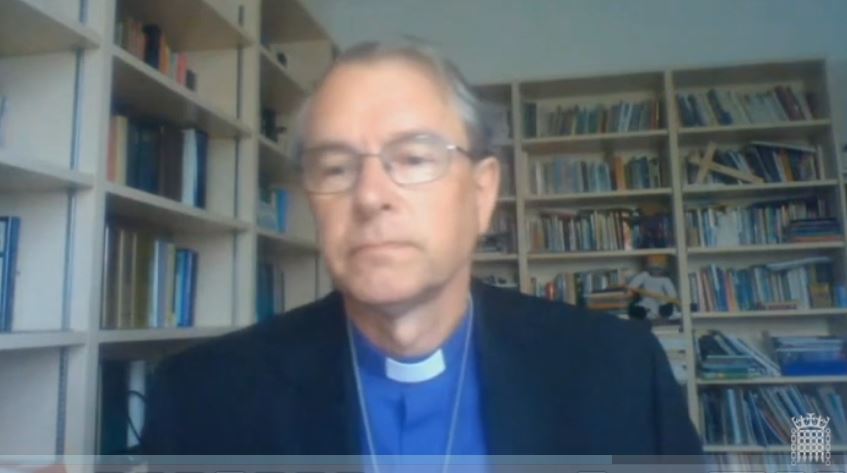
 The Lord Bishop of Durham: My Lords, I declare my interests as stated in the register as chair of the National Society. In November, the Church of England produced a charter to support schools in preparing for the new compulsory elements of RSHE. It is important to us and our schools that we consult parents on how best to deliver this new material, to ensure that we provide a sensitive education enabling all pupils to flourish. Will Her Majesty’s Government reassess the delivery date of the new elements of RSHE to accommodate the current constraints on schools’ time and energy due to Covid-19?
 The Lord Bishop of Winchester:
  The Lord Bishop of Winchester:
  On the 24th October the Bishop of Durham, the Rt Revd Paul Butler received a written answer to his question about the new national strategy for teaching English language learning.
  The Lord Bishop of Coventry: My Lords, several heads in Coventry and Warwickshire have told me about the heavy demands on their energies and budgets from, to quote one primary head, children who are not on the SEN register but face horrific circumstances at home and so need extra help; for example, families who are homeless through domestic violence and children whose mental health is so poor—these are nine year-olds—that they threaten suicide. Does the Minister recognise the pressures on schools in mainstream education from children who do not meet the thresholds of special needs but who nevertheless have severe needs and require acute support? Is he confident that there is sufficient funding for them?
 The Church of England in Parliament
You must be logged in to post a comment.