The Bishop of London asked a question on UK efforts to collaborate with the EU in cancer research on 29th January 2024, during a discussion on a projected £1 billion gap in cancer research funding:
The Lord Bishop of London: My Lords, as the noble Lord, Lord Stevens, will know, Cancer Research reported in its 2023 researcher survey that while 98% of respondents said that collaboration with EU-based scientists is important, 79% said that since Brexit it had been harder to begin new collaborations with EU-based researchers and scientists. What steps are the Government taking to prioritise collaboration between the EU and the UK in this area, especially with compatibility with the EU clinical trials regulatory framework?
On 21st June 2023, the Bishop of Southwell & Nottingham tabled a question on whether DEFRA had published sufficient detail relating to post-EU funding to allow farmers to plan for the future:
The Lord Bishop of Southwell & Nottingham: To ask His Majesty’s Government what assessment they have made of whether the Department of Environment Food and Rural Affairs has published sufficient detail in relation to post-EU funding to enable those working in farming to plan for the future; and what assessment they have made of any adverse consequences for the mental health and wellbeing of such people.
Lord Harlech (Con): My Lords, I declare my farming and land management interests as set out in the register. I start by paying tribute to the right reverend Prelate for the incredible work that he has done in support of his community in respect of the horrific events occurring in Nottingham on 13 June.
On 20th June 2023, the House of Lords debated the Retained EU Law (Revocation and Reform) Bill. Votes were held on amendments to the bill, in which Bishops took part:
On 6th June 2023, the House of Lords debated the Retained EU Law Bill following Commons amendments. Votes were held on motions to add additional amendments to the bill, in which a bishop took part:
The Bishop of Southwark asked a question on representation for British Citizens resident in the EU during a debate on the EU Settlement scheme on 13th March 2023:
The Lord Bishop of Southwark: My Lords, does the Minister agree that a positive move to implement the High Court judgment may help in bilateral representations where British citizens find themselves disadvantaged by the application of the immigration laws in certain EU countries where residence was not hitherto a problem?
Lord Murray of Blidworth (Con): I entirely agree with the right reverend Prelate that clearly it helps that the Home Office works very closely with those in the Commission in relation to the respective rights of citizens in each other’s countries.
The Bishop of St Albans asked a question on rates of domestic fish consumption and the handling of fishing quotas with the EU on 4th March 2021:
The Lord Bishop of St Albans: My Lords, there is an immediate, pressing problem for many of our fishermen, who are suffering. What are Her Majesty’s Government doing to increase fish consumption in the domestic market? Do we need a fish and chips tsar or someone to encourage people to eat fish? More importantly, in the negotiations with the EU, will the Government work towards a flexible arrangement that allows for better quota swaps?
The Bishop od Durham asked a question on engagement with other European countries on 28th January 2021, during a discussion on the EU-UK Joint Political Declaration on Asylum and Returns:
The Lord Bishop of Durham [V]: Does the Minister accept that some countries in Europe, such as Greece, Italy and France, are particularly important in bilateral negotiations? Will she confirm that a priority list of whom to engage with has been done and is being worked to?
On 30th December 2020 the House of Lords considered all stages of the Government’s European Union (Future Relationship) Bill. The Bishop of Southwark spoke at Second Reading:
The Lord Bishop of Southwark: My Lords, I am glad to follow the noble Lord, Lord Butler of Brockwell, and agree with much of what he said. I congratulate Her Majesty’s Government on achieving a negotiated outcome with the European Union. In doing so, I pay tribute not only to the Prime Minister but to the negotiating team, which bore a weighty burden, the Civil Service support that provided them with necessary expertise and, last but not least, the chief negotiator the noble Lord, Lord Frost.
The wider debate requires a candid and truthful recognition of what has been a complex process, including an explicit acknowledgement that a successful negotiation requires significant compromise. Such truthful recognition makes for good civil discourse. This will be further helped by more accurate language about the good and less good aspects of the package and appropriate scrutiny of detail—sadly not possible today. I hope that the public debate is less about the intangibles of rhetoric and more about the true and honest cost of the investment, outreach and spiritual renewal needed if we are to flourish as a nation state, going forward.
My final point begins with comments from the former Archbishop of Canterbury, Lord Williams of Oystermouth, recently retired from this House, who, early in the pandemic, spoke of what has become a much wider perception that our lives are bound together with those of every human being on this planet. That, he said, poses “the biggest moral questions”. A more positive focus on our continuing interdependence, not least with other European nations but more widely—globally—would be welcome and herald the future partnerships that are so essential to our national well-being.
Therefore, I hope that, as we consider the Bill and continue the shared endeavour that is our proud national story, we recognise that people and institutions flourish best under relational frameworks and that individualism, freed of obligation or collective provision, will ultimately fail. We are still in the season of Christmas, and the birth of a saviour transcends all national boundaries with a message of peace and good will to all people.
On 15th September 2020 Lord Lexden asked the Government “what role the Law Officers have in ensuring that the rule of law is maintained in (1) the development of domestic legislation and (2) their policies relating to the United Kingdom’s withdrawal from and future relationship with the European Union.” The Bishop of Carlisle, Rt Revd James Newcome, asked a follow-up question:
The Lord Bishop of Carlisle: My Lords, can the Minister confirm that the Government recognise that any attempt unilaterally to modify the terms of the withdrawal agreement would adversely affect not only future trade partners but also the confidence that EU citizens resident in this country will place in the commitments that the United Kingdom has made under the agreement? The confidence of British citizens resident in EU countries would also be damaged if they saw that treaty commitments could simply be set aside. Can he offer any reassurance in either regard? Continue reading “Bishop of Carlisle asks Government to reassure EU and UK citizens of their treaty commitments”

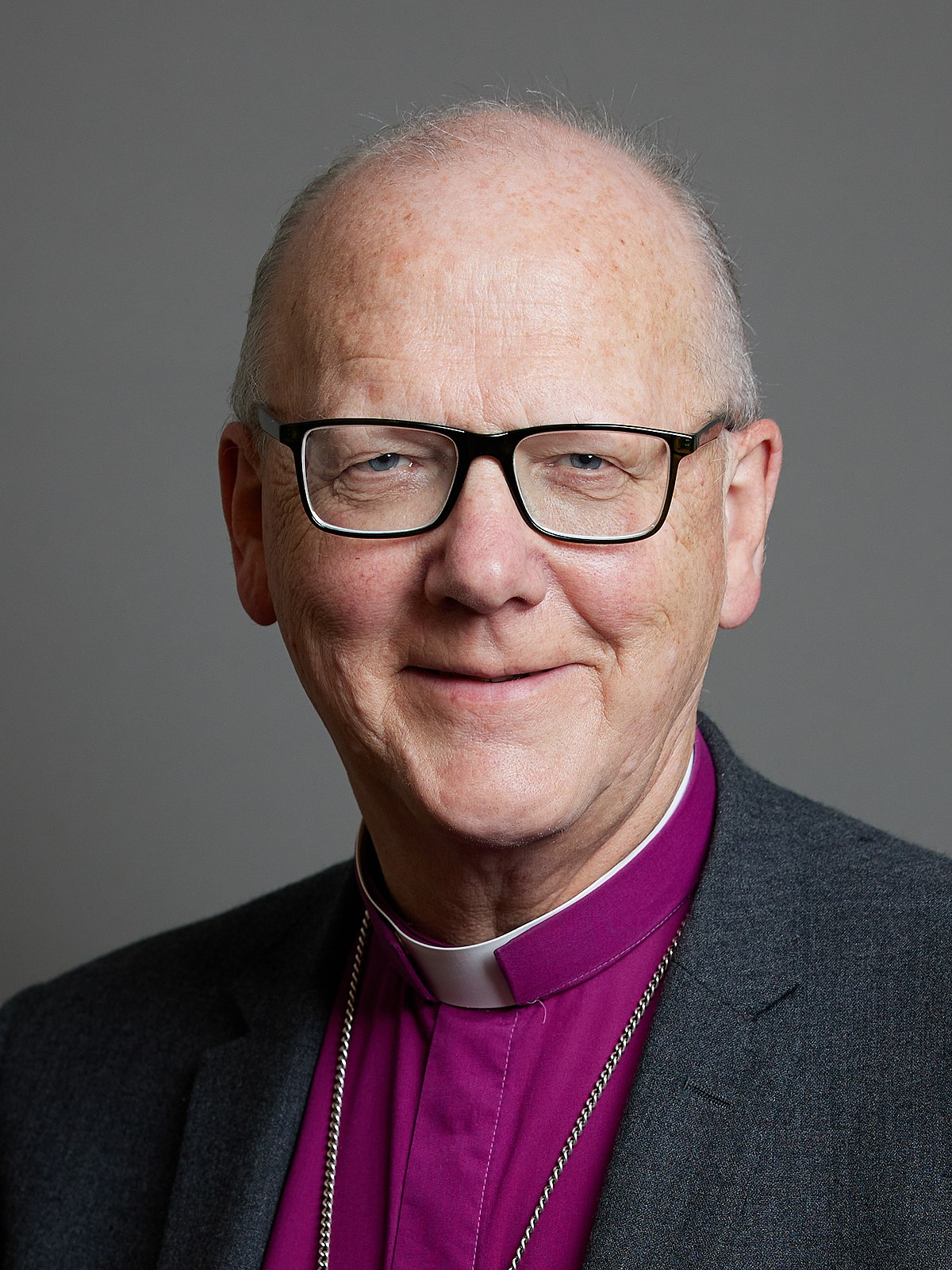
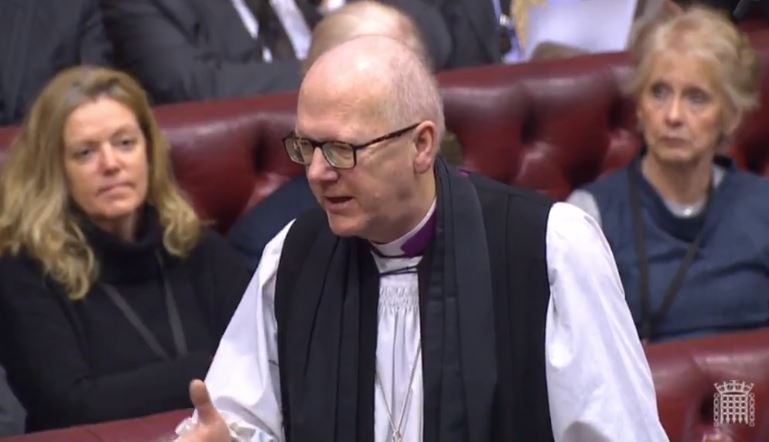

 The Lord Bishop of Carlisle: My Lords, can the Minister confirm that the Government recognise that any attempt unilaterally to modify the terms of the withdrawal agreement would adversely affect not only future trade partners but also the confidence that EU citizens resident in this country will place in the commitments that the United Kingdom has made under the agreement? The confidence of British citizens resident in EU countries would also be damaged if they saw that treaty commitments could simply be set aside. Can he offer any reassurance in either regard?
  The Church of England in Parliament
You must be logged in to post a comment.