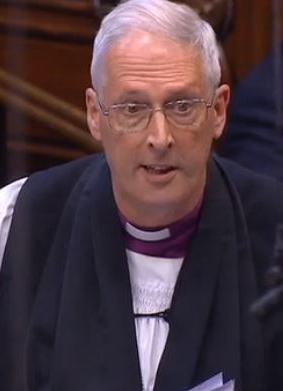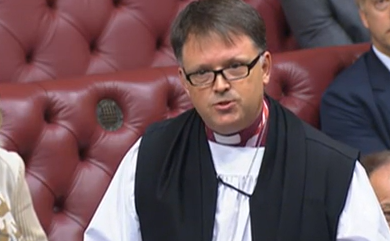
Bishop of Norwich highlights work of the CofE Pensions Board during debate on historic mining pollution

The Bishop of Norwich spoke in a debate on the UK’s responsibility to address historic mining pollution in former British colonies on 8th January 2026, detailing the work of the Church of England Pensions Board in this area:

The Lord Bishop of Norwich: My Lords, I thank the noble Lord, Lord Oates, for his excellent introduction, because stories touch both the heart and the mind, harrowing as those stories of the people of Kabwe were that he shared with your Lordships.

This debate is timely because of the geopolitical tensions that we face currently, many of them connected to minerals needed to power our economies today as well as the economy of the future. Although much of the attention is focused on new mineral deposits, a key issue that is deeply relevant to the whole mining sector is how the legacy is addressed. Many companies that existed in the past no longer exist or have been subsumed into very different entities today. Some of these are still listed on the London Stock Exchange and therefore still have a relationship with their historic legacy, while others do not. The consequence is that many countries to which the UK has historic ties have legacy mine sites that can be anything from waste from a site, such as tailings waste, through to the old mine site itself.

Through the Church of England Pensions Board, which is a £3.6 billion pension fund serving the long-term interests of 44,000 members who have been members of the clergy or otherwise working for the Church, the role of mining has been a particular focus in recent years. The board recognises the systemic importance of mining to many of the other sectors upon which modern life depends and which the board is also invested in, such as aviation, shipping, construction, autos, technology and energy, to name but a few. But a particular focus of the board’s work has been on this issue of legacy, particularly related to mine waste, often contained in tailings dams, which, if not managed correctly, can cause significant social and environmental impacts. We have seen major disasters such as at Brumadinho in Brazil, killing 272 people, and at Jagersfontein in South Africa, killing two people and causing significant environmental damage.

Continue reading “Bishop of Norwich highlights work of the CofE Pensions Board during debate on historic mining pollution”
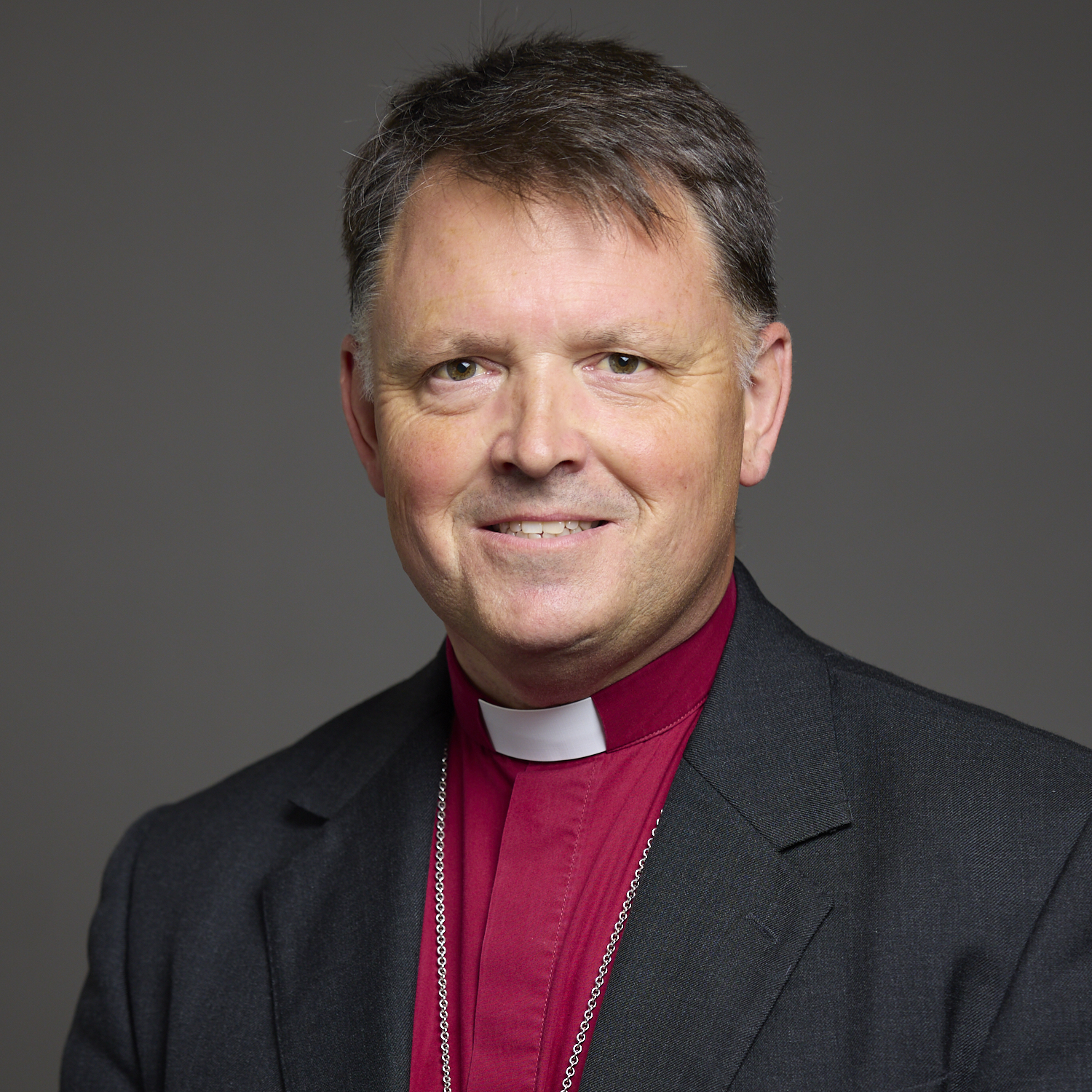
Bishop of Norwich asks about extension of oil and gas extraction in the North Sea

The Bishop of Norwich received the following written answer on 16th December 2025:

The Bishop of Norwich: To ask His Majesty’s Government how the proposed extension of existing gas and oil drilling in the North Sea aligns with calls arising from the Global Stocktake to accelerate the transition away from fossil fuels, as recommended by the Climate Change Committee.

Continue reading “Bishop of Norwich asks about extension of oil and gas extraction in the North Sea”

Bishop of Norwich asks about methods of monitoring methane gas leakage during oil and gas extraction

The Bishop of Norwich asked a question on monitoring methane leakage in the UK during a discussion on ending non-routine offshore oil and gas venting and flaring on 28th October 2025:

The Lord Bishop of Norwich: My Lords, the Minister mentioned our ageing infrastructure. We have become a global outlier in leak detection and repair to stop methane leakages. Norway has monthly checks, the US has quarterly checks and Canada is bringing in monthly checks. What is our policy, and will it mandate these leak detection and repair testing regimes?

Continue reading “Bishop of Norwich asks about methods of monitoring methane gas leakage during oil and gas extraction”

Bishop of Leeds asks about conflict in Sudan

The Bishop of Leeds asked a question on the government’s approach to the economic benefits to the warring parties in the conflict in Sudan on 28th April 2025:

The Lord Bishop of Leeds: My Lords, there was much mention at the conference, given the statements that came out of it, of a rejection of external interference, but there were people there who are externally interfering, such as the United Arab Emirates and Egypt. Although the focus on humanitarian access is absolutely right, there is also the problem of gold, and that the conflict is being fuelled by the economic element of ownership and extraction of gold. Do the Government have any plans to approach the economic benefits to the warring parties as a way of stopping the conflict?

Continue reading “Bishop of Leeds asks about conflict in Sudan”

Bishop of Winchester asks about EU Agreement with Rwanda on natural resources

The Bishop of Winchester received the following written answer on 22nd April 2025:

The Lord Bishop of Winchester asked His Majesty’s Government whether they have had discussions with the European Union about the Memorandum of Understanding on Sustainable Raw Materials Value Chains that the EU signed with the government of Rwanda on 19 February 2024.

Continue reading “Bishop of Winchester asks about EU Agreement with Rwanda on natural resources”

Bishop of Leeds, Bishop of St Albans, and Bishop of Winchester ask about conflict in the Democratic Republic of the Congo

The Bishop of Leeds, the Bishop of St Albans, and the Bishop of Winchester received the following written answers on 12th April 2025:

The Lord Bishop of Leeds asked His Majesty’s Government:

  • what military support they are providing to the government of Rwanda for (1) training, (2) technology, (3) tactics, and (4) weapons licensing, and whether they have reviewed these arrangements following the support by the government of Rwanda for M23 rebels in eastern Democratic Republic of the Congo.
  • what financial support, debt relief and development assistance they are providing to Rwanda, and what steps they will take to review these arrangements as a result of the support by the government of Rwanda for M23 rebels in eastern Democratic Republic of the Congo.
Continue reading “Bishop of Leeds, Bishop of St Albans, and Bishop of Winchester ask about conflict in the Democratic Republic of the Congo”

Bishop of Norwich asks about offshore oil and gas industry

The Bishop of Norwich received the following written answers on 30th October 2024:

The Lord Bishop of Norwich asked His Majesty’s Government what their policy is for licensed but undeveloped sites for offshore oil and gas drilling, and whether they plan to implement a moratorium on issuing of development consents for those sites.

Continue reading “Bishop of Norwich asks about offshore oil and gas industry”

Bishop of St Albans asks about mining regulations in the Democratic Republic of Congo

The Bishop of St Albans received the following written answer on 29th January 2024:

The Lord Bishop of St Albans asked His Majesty’s Government what representations they have made to the government of the Democratic Republic of the Congo about strengthening and enforcing national laws regarding mining and evictions in line with international human rights standards.

Continue reading “Bishop of St Albans asks about mining regulations in the Democratic Republic of Congo”

Bishop of St Albans asks about sustainability targets for oil companies

The Bishop of St Albans received the following written answer on 22nd February 2023:

The Lord Bishop of St Albans asked His Majesty’s Government whether they have held any discussions with BP following reports that the company will fail to meet its climate targets; and what steps they are taking to promote sustainability in oil companies.

Continue reading “Bishop of St Albans asks about sustainability targets for oil companies”

Bishop of Southwark asks about rights of indigenous communities in planning work

The Bishop of Southwark asked a question about the principle of businesses and governments seeking “free, prior, and informed consent” from indigenous communities before engaging in industrial activities, during a debate on human rights in business practices on 20th July 2021:

The Lord Bishop of Southwark: My Lords, I draw the Minister’s attention to the policy of the National Investing Bodies of the Church of England on extractive industries, which has an explicit commitment drawn from the UN Declaration on the Rights of Indigenous Peoples to the

Continue reading “Bishop of Southwark asks about rights of indigenous communities in planning work”