
On the 8th January 2019 Baroness Hodgson of Abinger hosted a debate about adolescent girls in conflict-affected countries. The Bishop of Gloucester, the Rt Revd Rachel Treweek spoke in the debate to highlight the need to ratify the Istanbul Convention and to increase the support given to education of children:

The Lord Bishop of Gloucester: My Lords, I too thank the noble Baroness, Lady Hodgson, for securing this debate. It is a great honour to be taking part and to listen to the contributions of so many amazing supporters of women and girls. I should also like to draw attention to my interests as set out in the register.
Following previous speakers, I too should like to reinforce what has been said about violence and access to education. As has been said, before, during and after conflict girls face both physical and sexual violence. It is important to note that trauma follows adolescent girls when they flee from conflict, whether they become refugees or are internally displaced. There is a high risk of sexual abuse in overcrowded, unsanitary and unsafe refugee areas. Girls face not only prostitution and the risk of early marriage; they also face isolation and a lack of access to healthcare and psychological support. I would like to ask the Minister: what specific action are the Government currently taking to support girls in these vulnerable places, and how will rebuilding peace after conflict specifically involve support for these girls?
 On the 20th December 2018 the Bishop of St Albans, the Rt Revd Dr Alan Smith asked a question he had tabled to Government about Yemen and the shortfall in aid needed to resolve the humanitarian crisis.
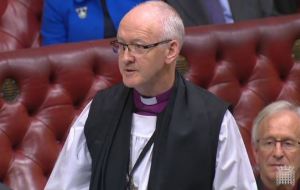 On 17th, 20th & 21st December 2018 the Bishop of Leeds, Rt Revd Nick Baines, received written answers to three questions about US sanctions on Iran and migration from Iran.
  The Archbishop of Canterbury: My Lords, I am grateful to the usual channels for permitting this debate; to the noble Lord, Lord Collins of Highbury, for responding on behalf of the Opposition; to the noble Lord, Lord Alderdice; and to the Minister, the noble Earl, Lord Howe, for their time and contributions today. My noble kinsman Lord Williams of Elvel said when I came into the House some years ago, “The wonderful thing about the House of Lords is that whatever you say, there will be a world expert listening to you”. Looking down the list of those who will contribute today, I am conscious of the expertise in the House, including a Nobel laureate, and I am greatly looking forward to hearing from noble Lords whose combined expertise and experience is sure to provide us with much to reflect on.
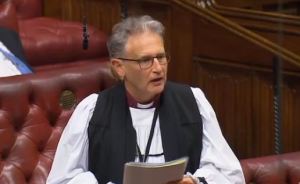 On 14th December 2018 the Archbishop of Canterbury, Most Revd Justin Welby,
 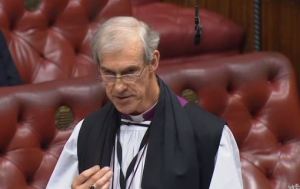 On 6th December 2018 Baroness Cox asked Her Majesty’s Government “whether they plan to revise their assessment of the situation in northern and central belt states of Nigeria, following the report by local church leaders of the killing and maiming of 6,000 civilians by Fulani Islamist terrorists between January and June and figures from the Office of the United Nations High Commissioner for Refugees that almost two million people have been displaced by jihadist attacks.” The Bishop of Carlisle, Rt Revd James Newcome, asked a follow-up question:
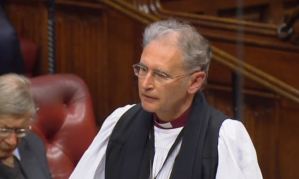 On 5th December 2018 Baroness D’Souza asked Her Majesty’s Government “what plans they have to support and provide resources for reconstruction programmes in Syria.” The Bishop of Coventry, Rt Revd Christopher Cocksworth, asked a follow-up question:
 On 22nd November 2018 the Second Church Estates Commissioner, Rt Hon Dame Caroline Spelman MP, answered a written question on Christians in the Middle East:

You must be logged in to post a comment.