
On 8th September 2020 Members of the House of Lords questioned the Government on their targets for new home building. The Bishop of Southwark, Rt Revd Christopher Chessun, asked a question:
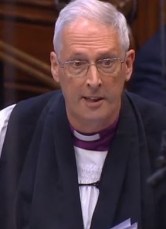 The Lord Bishop of Southwark: The Minister will be aware that council housing lists are running at over 1 million, and in my diocese, private rental is a prohibitive drain on all but the most generous of incomes. Will he outline what proportion of the 300,000 new homes will be assigned to social housing? Continue reading “Bishop of Southwark presses Government on shortage of council housing and affordable homes”

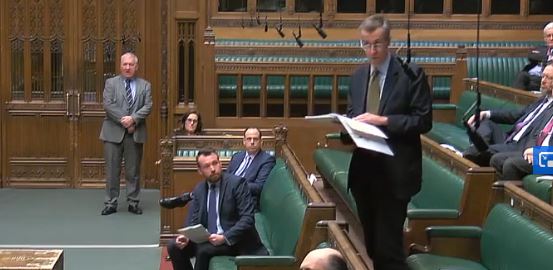

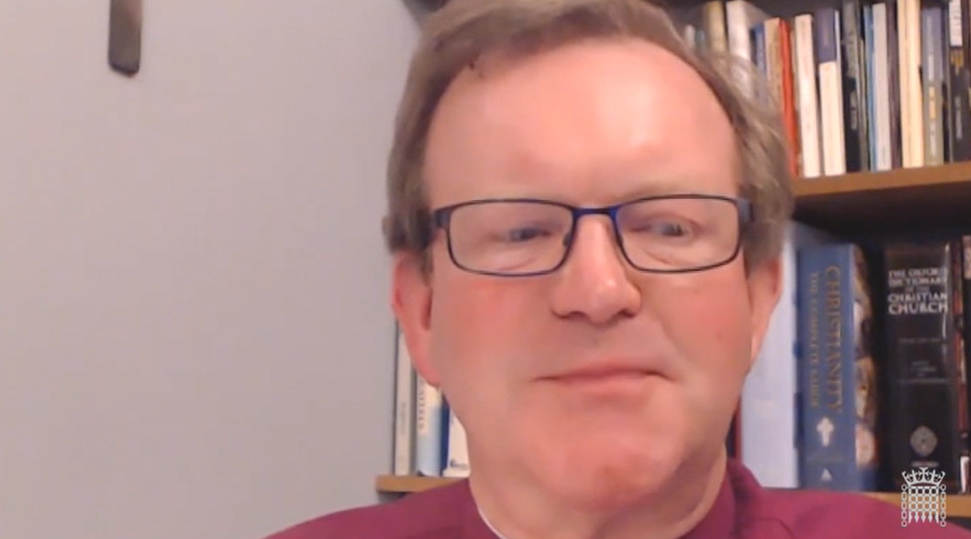
 The Lord Bishop of Durham: My Lords, I applaud the achievement of accommodation having been offered to 90% of rough sleepers. The community collaboration that achieved this reflects the focus of the housing commission set up by the most reverend Primate the Archbishop of Canterbury of building strong communities alongside homes. What plans do Her Majesty’s Government have to create multiagency partnerships to create an integrated homelessness system?
 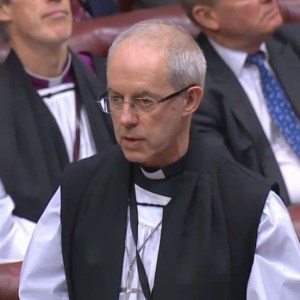 On 18th March 2020 Baroness Thornhill asked the Government “what assessment they have made of the results of the Housing Delivery Test, published on 13 February.” The Archbishop of Canterbury, Most Revd Justin Welby, asked a follow-up question:
 The Lord Bishop of Leeds: My Lords, I am grateful for that Statement and look forward to the review by Dame Louise Casey. Does the Minister agree that many elements of civil society, particularly churches, faith communities and charities, while waiting for this, are out on the streets almost every night? I refer to what we call floating shelters in many parts of the country through the winter months—which can be five months—which skew the figures a bit, because they take people off the streets. There are some excellent examples in my neck of the woods, where the churches host rough sleepers overnight and the mosques provide the curry.
 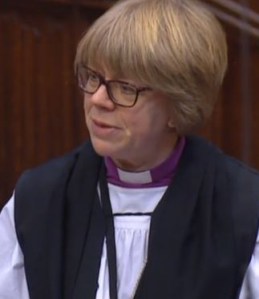 On 27th February 2020 Lord Young of Cookham asked Her Majesty’s Government “what progress they have made in meeting their target of delivering 300,000 homes per year by the mid-2020s.” The Bishop of London, Rt Revd Sarah Mullally, asked a follow up question:
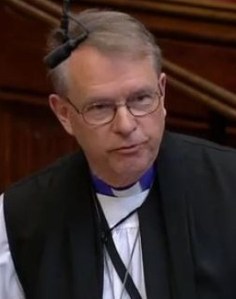 The Lord Bishop of Durham: My Lords, I thank the Whips Office for understanding that my friend the right reverend Prelate the Bishop of St Albans cannot speak due to the change of time, and that I have been allowed to speak in his place.
 The Church of England in Parliament
You must be logged in to post a comment.