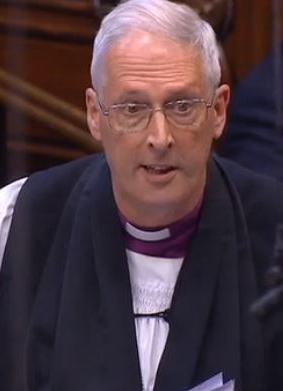
Nationality and Borders Bill: Bishop of Durham speaks in support of amendments on offshoring of asylum seekers

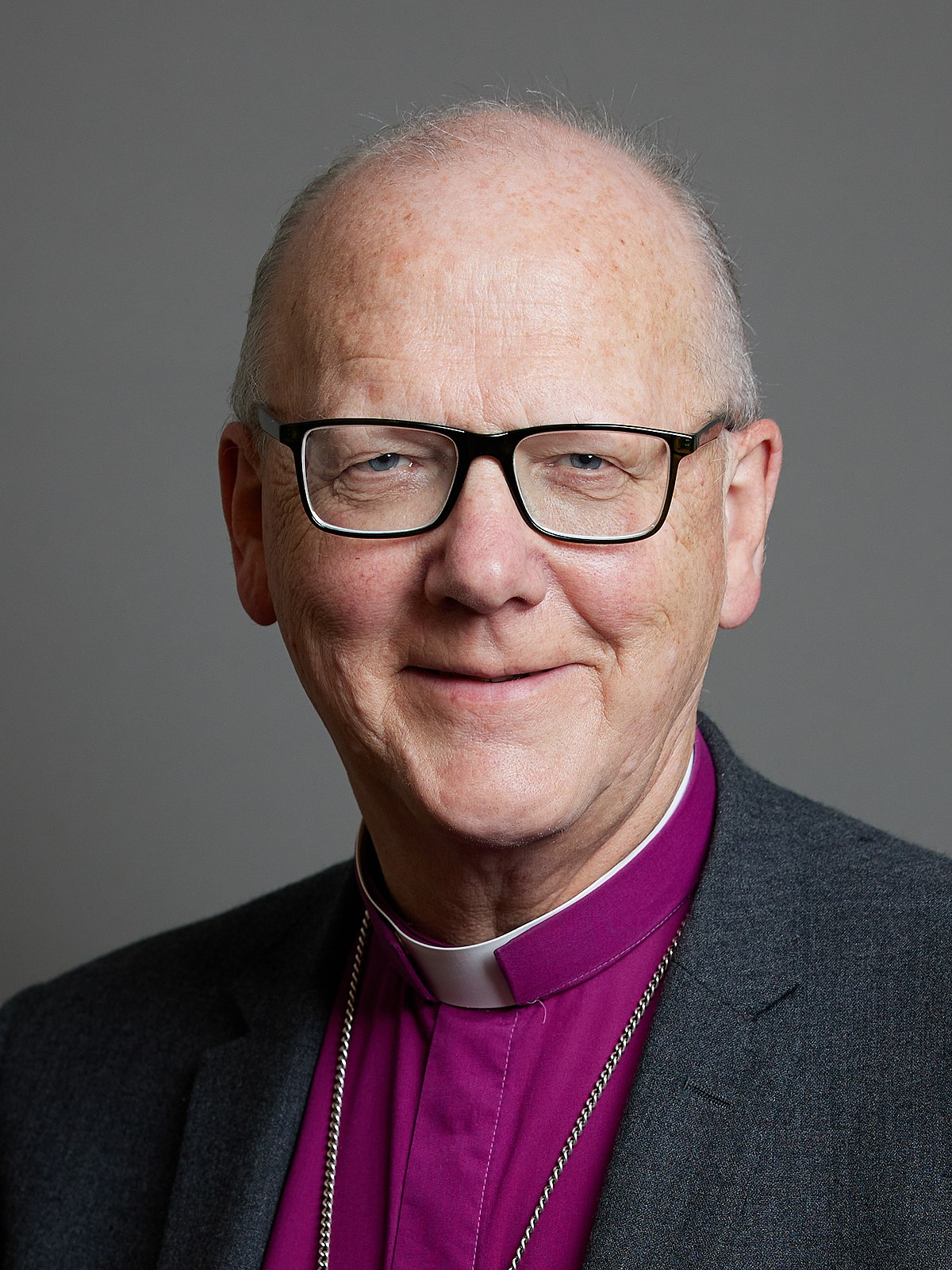
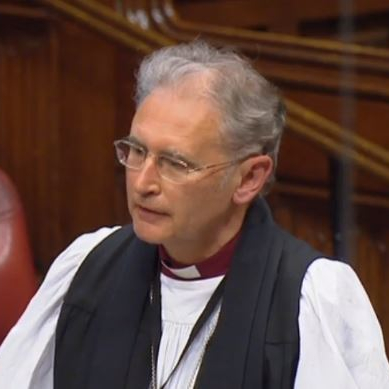
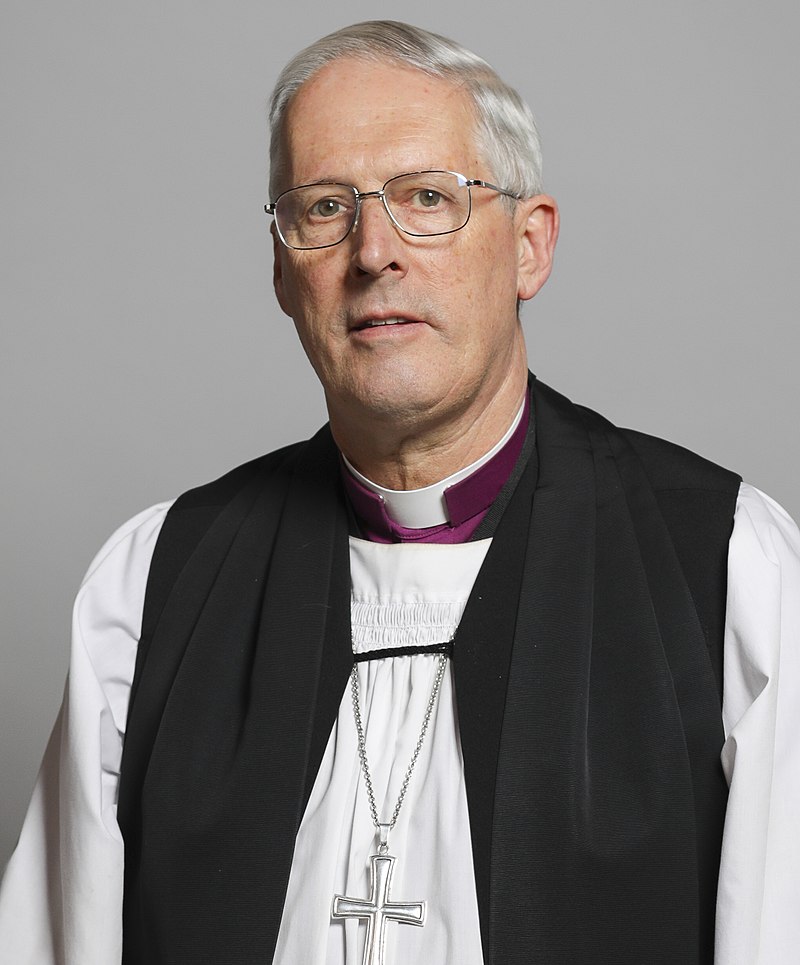
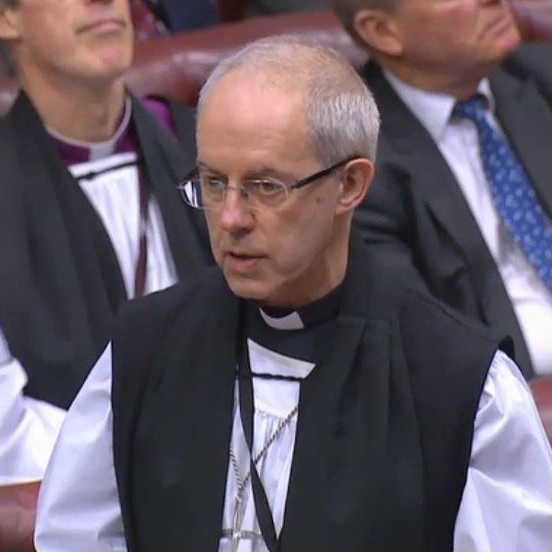
On 8th February 2022, the House of Lords debated the Nationality and Borders Bill in its fourth day of the Committee stage. The Bishop of Durham spoke in support of amendments 100 and 101, tabled by Lord Kirkhope of Harrogate, that would remove the powers in the bill to “offshore” asylum seekers before the consideration of their claims:
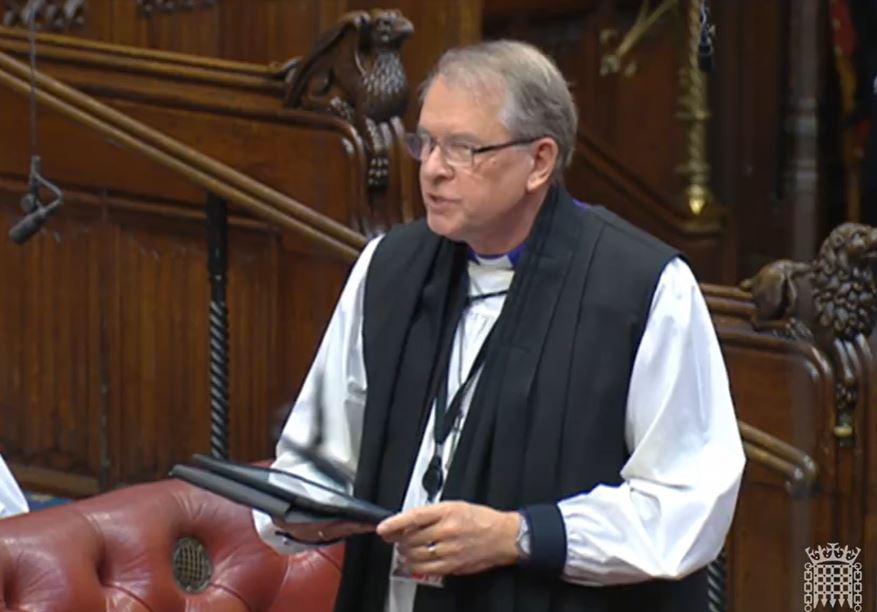
The Lord Bishop of Durham: My Lords, in rising to support Amendments 100 and 101, to which I have added my name, I declare my interests in relation to both the RAMP project and Reset, as set out in the register.

When people arrive on our shores seeking protection, we have a responsibility to treat them as we would wish to be treated if we had to flee for our lives. It is right that we have a process to determine who meets the criteria for refugee status, but while we determine this, we are responsible for people’s safety, welfare and care. If we move them to other countries for the processing of their asylum claims, I fear a blind eye will be turned to their treatment. How will we be sure that they are being treated humanely and fairly, and would our Government even give this much concern once they had left our shores? If we look to the experience of Australia and the refugees accommodated in Nauru, as the noble Lord, Lord Kirkhope, has just mentioned, we hear deeply shocking accounts of abuse, inhumane treatment and mental and physical ill-health.

As mentioned in relation to an earlier amendment, I visited Napier barracks last week to see improvements that have been made since the exposure of the disgraceful conditions at the beginning of last year. If what we have seen at Napier is permitted to happen in the UK, what can we expect overseas, where accountability and monitoring will be so much harder? The monitoring of asylum accommodation contractors in the UK is poor, which gives us some idea about the level of monitoring we could expect of offshore processing.

Continue reading “Nationality and Borders Bill: Bishop of Durham speaks in support of amendments on offshoring of asylum seekers”
Bishop of St Albans asks about monitoring of property owned by businesses suspected of human rights abuses

The Bishop of St Albans received the following written answer on 14th December 2021:

The Lord Bishop of St Albans asked Her Majesty’s Government whether they (1) audit, and (2) monitor, the commercial UK real estate holdings of companies directly associated with regimes with poor human rights records.

Lord Callanan (Con): Monitoring of individuals, and any companies they may be associated with, for human rights abuses overseas is a matter for FCDO and HM Treasury, under the recently introduced Global Human Rights Sanctions Regulations 2020.

Hansard

Bishop of Chelmsford asks about the status of dual-nationals detained in Iran

The Bishop of Chelmsford received the following written answers on 29th November 2021:

The Lord Bishop of Chelmsford asked Her Majesty’s Government what assessment they have made of the number of British Iranian dual nationals detained by the government of Iran; and what support they are providing (1) the detainees, and (2) their families.

Continue reading “Bishop of Chelmsford asks about the status of dual-nationals detained in Iran”

Bishop of St Albans asks about human rights and religious freedom in Cuba

The Bishop of St Albans received the following written answers on 16th November 2021:

The Lord Bishop of St Albans asked Her Majesty’s Government what steps they are taking in response to the 4 November statement by the All Party Parliamentary Group for International Freedom of Religion or Belief on the government of Cuba’s targeting of religious leaders following protests in July.

Continue reading “Bishop of St Albans asks about human rights and religious freedom in Cuba”

Bishop of Coventry urges government to consider responsibility in the captivity of Nazanin Zaghari-Ratcliffe

The Bishop of Coventry raised a question of forgiveness and responsibility in the government response to the continued imprisonment of Nazanin Zaghari-Ratcliffe in Iran on 15th November 2021, during a debate on what action the government was taking to facilitate her release and return to the UK:

The Lord Bishop of Coventry: My Lords, what does the Minister think Governments on both sides might have to learn from a simple prayer that was once prayed on this day in Coventry, after the destruction of the city? It is a simple prayer but a brave one; it simply says: “Father, forgive.” It does not try to forgive the other side, or even to absolve the other side from responsibility, but it does say that, somewhere along the line, both sides, in whatever proportion, need to accept that a very deep hole has been dug and suffering people have fallen into it. In this case, there is a suffering woman at the bottom of the hole, and her husband and child. Can we not do more to accept that there is something we have a responsibility for?

Continue reading “Bishop of Coventry urges government to consider responsibility in the captivity of Nazanin Zaghari-Ratcliffe”

Bishop of Southwark asks about human rights organisations in Israel and Occupied Palestinian Territories

The Bishop of Southwark received the following written answer on 8th November 2021:

The Lord Bishop of Southwark asked Her Majesty’s Government:

  • what discussions they have had with the government of Israel following claims by the Israeli Ministry of Defence that six human rights organisations are linked to the Popular Front for the Liberation of Palestine; and whether they share this assessment by the Israeli Ministry of Defence.
  • what assessment they have made of the work of (1) Al-Haq, (2) Addameer, (3) Defence of Children International – Palestine, (4) Bisan Center for Research and Development, and (5) Union of Palestinian Women’s Committee in monitoring allegations of human rights breaches in Israel and the Occupied Palestinian Territories.
Continue reading “Bishop of Southwark asks about human rights organisations in Israel and Occupied Palestinian Territories”

Bishop of Chichester asks about humanitarian concerns in Cameroon

The Bishop of Chichester received the following written answers on 11th October 2021:

The Lord Bishop of Chichester asked Her Majesty’s Government what discussions they have had with the government of Cameroon about ensuring the legal protection of (1) human rights defenders, and (2) civil society activists, in that country.

Lord Ahmad of Wimbledon (Con, Foreign Office): The UK Government remains deeply concerned about the crisis in the North-West and South-West (Anglophone) regions of Cameroon, including the disturbing reports of human rights abuses and violations by both armed separatists and the security forces. In a visit to Cameroon in March, the previous Minister for Africa met President Biya, Prime Minister Ngute and Foreign Minister Mbella Mbella, where he set out the UK’s commitment to supporting a peaceful resolution.

Continue reading “Bishop of Chichester asks about humanitarian concerns in Cameroon”

Archbishop of Canterbury urges that “morals, not numbers” guide UK refugee policy towards Afghans

During a meeting of the House of Lords on 18th August 2021 to discuss the situation in Afghanistan following withdrawal of international troops and the Taliban entering Kabul, the Archbishop of Canterbury paid tribute to the people of Afghanistan and urged that the government policy towards refugees be guided by morality rather than numbers:

The Lord Archbishop of Canterbury: My Lords, I look forward especially to hearing noble and gallant Lords, diplomats and others with local knowledge of Afghanistan. We rightly remember the courage, suffering and sacrifice over the past 20 years and the courage being shown currently by our ambassador and service- people in Afghanistan, together with their colleagues, and reporters.

When we look back, I remember a cathedral full for the funeral of a soldier: family and many colleagues silent in dignity, some wounded, mourning their loss. The failure we face today is not military or diplomatic—they did all they could—it is political. Recovery and hope will come to Afghanistan with our supporting commitment to the neediest and most desperate. We have proven capacities in soft as well as hard power. We owe an absolute, lavishly generous moral covenant to all those who are at risk because they served with us in Afghanistan or took seriously our frequently professed commitment to its future, women and girls included.

Continue reading “Archbishop of Canterbury urges that “morals, not numbers” guide UK refugee policy towards Afghans”

Bishop of Southwark asks about rights of indigenous communities in planning work

The Bishop of Southwark asked a question about the principle of businesses and governments seeking “free, prior, and informed consent” from indigenous communities before engaging in industrial activities, during a debate on human rights in business practices on 20th July 2021:

The Lord Bishop of Southwark: My Lords, I draw the Minister’s attention to the policy of the National Investing Bodies of the Church of England on extractive industries, which has an explicit commitment drawn from the UN Declaration on the Rights of Indigenous Peoples to the

Continue reading “Bishop of Southwark asks about rights of indigenous communities in planning work”

Bishop of St Albans warns against increased use of Magnitsky sanctions

The Bishop of St Albans spoke in a Grand Commitee debate on the effectiveness of the Magnitsky sanctions on 24th June 2021, arguing for better cooperation with international partners and support for international law, and warning of the danger of overreliance on sanctions in global affairs:

The Lord Bishop of St Albans: My Lords, I too agree that there are occasions when these Magnitsky sanctions may be the best available option to us. However, the increased use of such sanctions is a worrying sign that the organs of international arbitration such as the UN or the ICJ may be losing their effectiveness. These were the very institutions established in response to the tit-for-tat foreign policy that defined the 19th and early 20th centuries, with all their resulting catastrophes.

Our Government are a big advocate of the concept of “Global Britain”, an ambiguous phrase that sometimes means leading as a force for good in the world but at other times is simply a declaration that Britain is open for international business. My concern is that these conflicting visions of global Britain are sometimes mutually exclusive, and that when dealing with human rights abuses there may be a tendency to take the route of least domestic economic disruption.

Continue reading “Bishop of St Albans warns against increased use of Magnitsky sanctions”