
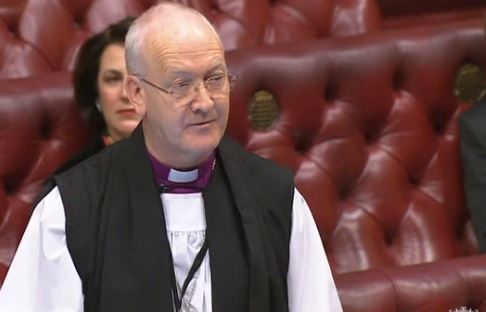
 On 18th and 20th September 2017 the Bishop of Leeds, Rt Revd Nick Baines, received written answers to five questions about Sudan, on the humanitarian impact of sanctions, the demolition of churches and the human rights situation:
The Lord Bishop of Leeds:
(i) To ask Her Majesty’s Government what assessment they have made of the humanitarian impact of sanctions on the people of Sudan.
(ii) To ask Her Majesty’s Government what representations they have made to the government of the United States regarding the suspension or refinement of sanctions on Sudan.
(iii) To ask Her Majesty’s Government what assessment they have made of the efficacy of sanctions on Sudan.
(iv) To ask Her Majesty’s Government what assessment they have made of the human rights situation and current levels of humanitarian access in Sudan.
(v) To ask Her Majesty’s Government what representations they have made to the government of Sudan regarding the demolition of churches built on land that has since been designated for buildings other than places of worship.
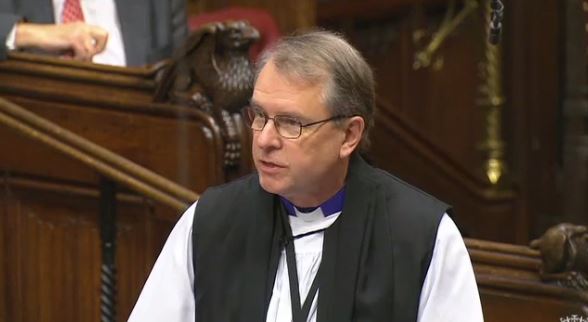
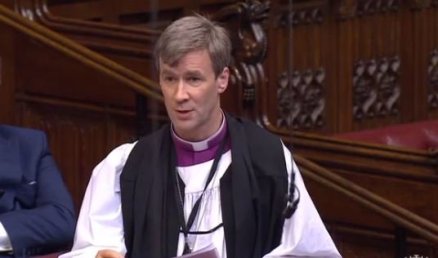 On the 3rd July 2017, the Bishop of Truro, the Rt Revd Tim Thornton contributed to Baroness D’Souza’s debate: That this House takes note of the case for measuring the impact of the United Kingdom’s development aid budget. In a wide-ranging speech, the Bishop spoke of the importance of guarding against thinking about aid spending simply as a financial investment.
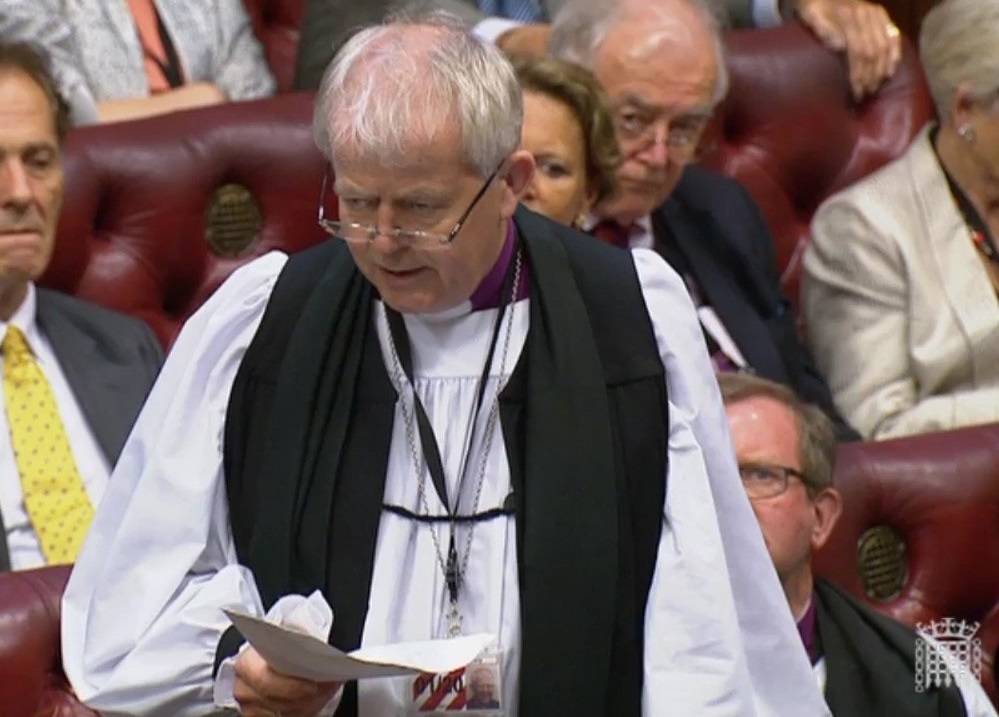
 On the 3rd April 2017, Baroness Hayman tabled a debate in the House of Lords, asking the Government “what is their assessment of progress made in combating neglected tropical diseases since the London Declaration made in January 2012.” The Bishop of Peterborough, the Rt Revd Donald Allister, highlighted the lack of progress towards the eradication of leprosy. Lord Bates responded on behalf of the Department for International Development.
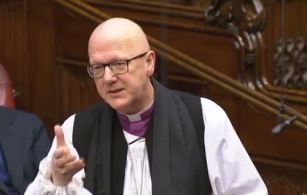 Bishop of St Albans: My Lords, I, too, thank the noble Baroness, Lady Hayman, for introducing the debate. It is good to pause and reflect on the extraordinary progress that has been made, as well as the salutary thought of just how much more needs to be done. I am not a medic and do not want to engage in the medical aspect of this, but I want to make one, very brief point: the need to adopt clear protocols and joined-up approaches if we are going to be really effective in combating neglected tropical diseases.
 The Church of England in Parliament
You must be logged in to post a comment.