
 On 25th April 2016 the House of Lords considered the Government’s Housing and Planning Bill at its Report Stage. The Bishop of Leeds, Rt Revd Nick Baines, spoke in support of an amendment to the Bill that had been co-sponsored by the Bishop of St Albans. In introducing the amendment, Labour Peer Baroness Royall said:
“This amendment does not in any way seek to undermine the Government’s plans to increase the number of homes built on small sites. We need more homes in rural areas. It merely seeks to ensure that local authorities will still be able to meet the affordable housing needs of their rural communities in ways appropriate to their circumstances.”
The Lord Bishop of Leeds: My Lords, I support this amendment. My diocese covers vast and diverse rural areas. The issue that is constantly raised by those who live there is affordable housing for their children. We too often use the language of protection or preservation when we should be talking about development and creating the future. If we end up with small rural communities without young people in them, which in some cases is what is happening, we will have a problem 20, 30, 40 or 50 years down the line. I support the amendment and trust that we will give due attention to it. Continue reading “Housing and Planning Bill: Bishop of Leeds supports amendment on affordable rural housing”
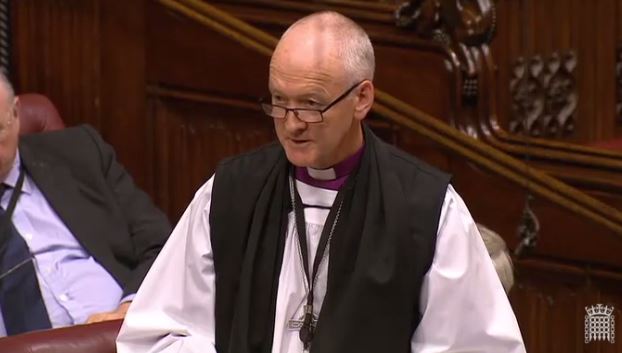
 The Lord Bishop of Leeds: My Lords, the BBC has three core purposes: to inform, to educate and to entertain. Will the Minister comment on a fourth purpose, which is to interpret? Diversity has been perceived in terms of regional diversity when one could also say that ethnic and religious diversity in the country need to be taken more seriously. Religion is a primary motivator of individuals and communities, inspiring and informing their political, economic, ethical and social behaviour.
 The Lord Bishop of Leeds: My Lords, what cognisance is taken by the Government of the stochastic modelling performed by the insurance industry and how many one-in-100-years events it takes for something to cease to be a one-in-100-years event?
 The Lord Bishop of Leeds: My Lords, would the Minister agree with me that some of the language we are using in this debate reflects an assumption that the world is binary and divided into allies and enemies? The reality is that allies become enemies, and enemies become allies. In any strategic approach to the future, could we be assured that that possibility will be taken into account? I worked on elements to do with Iraq in the 1980s, and we can see what happened in the 2000s.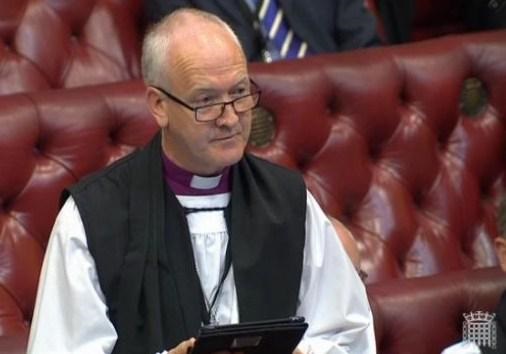
 The Church of England in Parliament
You must be logged in to post a comment.