
On 5th February 2020 the House of Lords debated the Government’s Divorce, Dissolution and Separation Bill at its Second Reading. The Bishop of Carlisle, Rt Revd James Newcome, spoke in the debate and his remarks are below. He highlighted several problems with the Bill, which he said would create more difficulties than it was intended to resolve.
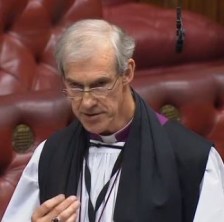 The Lord Bishop of Carlisle: My Lords, I am greatly looking forward to the maiden speech of the noble Baroness, Lady Hunt of Bethnal Green, and I welcome her to this House, which I am sure will benefit greatly from her expertise, campaigning zeal and commitment to debates on justice and equality.
Let me begin by saying that I appreciate the motivation behind the Government’s Divorce, Dissolution and Separation Bill. As we have already heard, they want to make divorce less complicated, less acrimonious and less harmful. Who could possibly argue with that? I like the revised terminology that the Bill suggests, and I agree that, at first sight, this looks like a sensible response to shortcomings in a process that is currently unsatisfactory and often seems to lack transparency or fairness.
However, this deceptively simple piece of legislation actually creates more difficulties than it resolves. One has to do with the nature of marriage itself and our commitment to it as a society—I shall confine my comments to marriage rather than civil partnership.
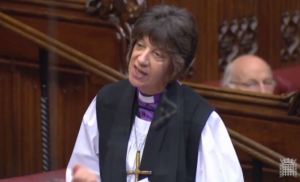 That this House do direct that, in accordance with the Church of England Assembly (Powers) Act 1919, the Church of England (Miscellaneous Provisions) Measure be presented to Her Majesty for the Royal Assent.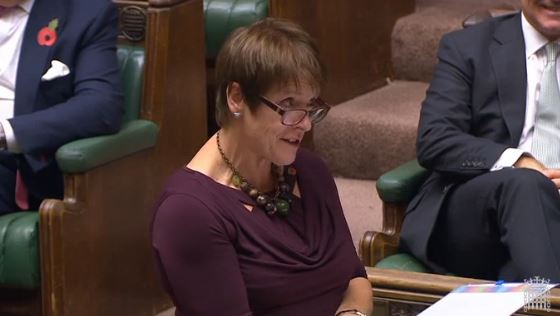
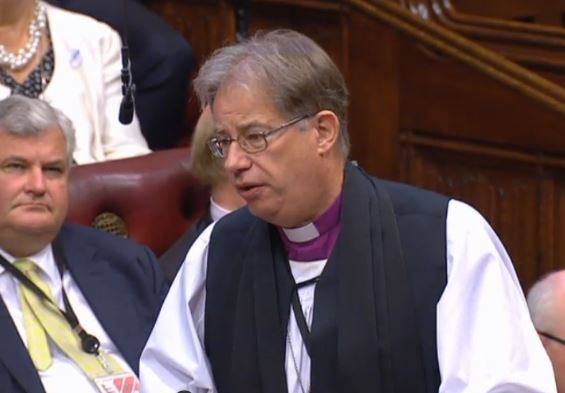 The Lord Bishop of Oxford: My Lords, those were extremely moving speeches. I thank the noble Lords, Lord Faulkner, Lord Collins and Lord Cashman, and the noble Baroness, Lady Brinton, for the contributions they have made in the Chamber today and the moving way in which they have spoken. I thank them for sharing their personal experiences so movingly, and for the important and necessary articulation of the views they have heard within the broader Church of England in favour of movement and inclusion. I deeply regret the language used in writing to the noble Lord, Lord Collins, and others; it has no place in the contemporary Church.
 On 21st February 2019 the Second Church Estates Commissioner, Rt Hon Dame Caroline Spelman MP, answered three written questions from MPs, on Christian persecution overseas, homelessness, and married couples’ tax allowances.
 The Bishop of Chelmsford spoke during debate on two amendments to the Bill. The first, briefly, on an amendment from the Bill’s sponsor Lady Hodgson, to enable the conversion of civil partnerships to marriage, and vice-versa, through the introduction of Regulations that could amend primary legislation, including Church of England Measures. The amendment was passed after debate.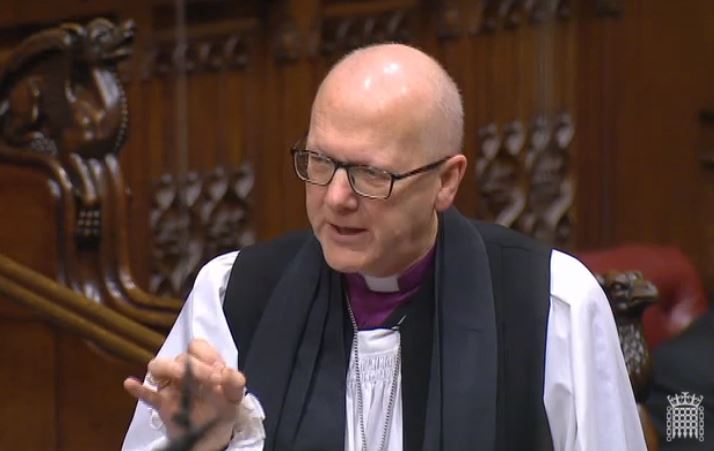
 The Church of England in Parliament
You must be logged in to post a comment.