Bishop of Leicester asks about important role of the BBC World Service

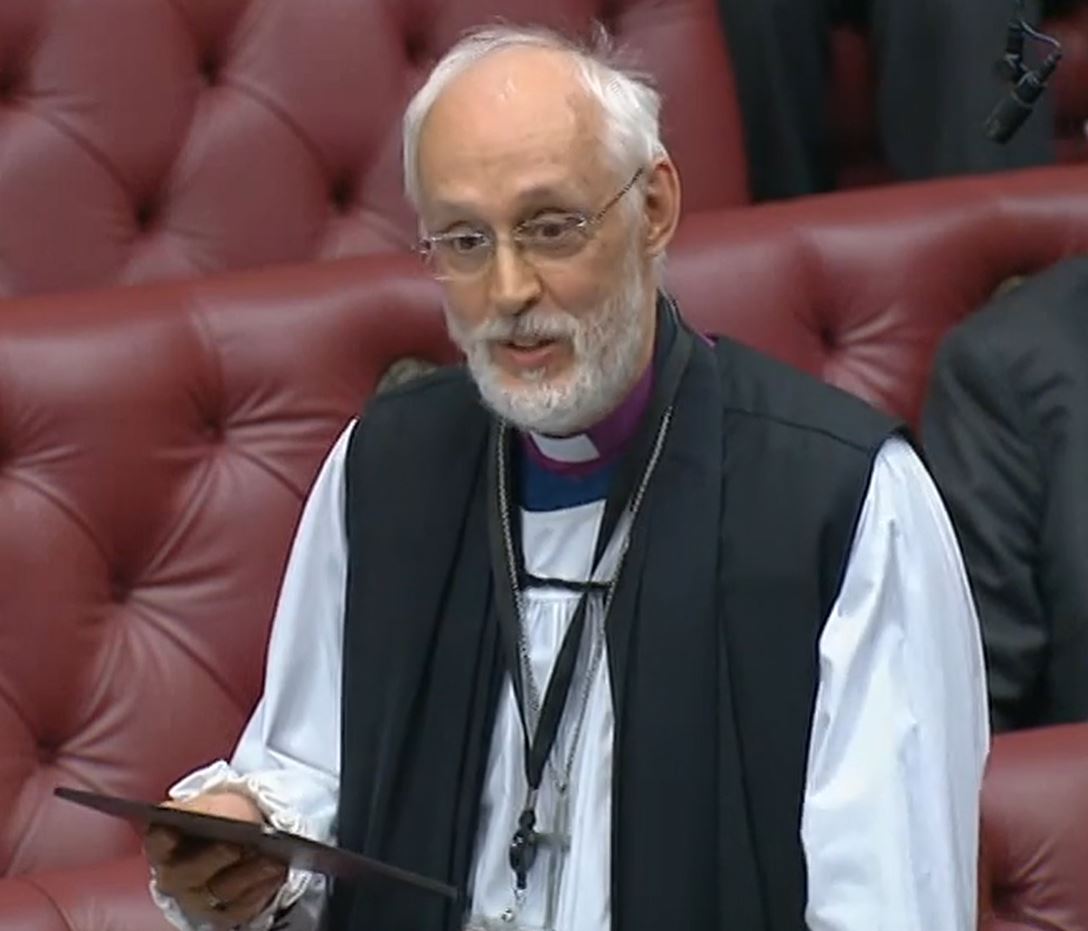
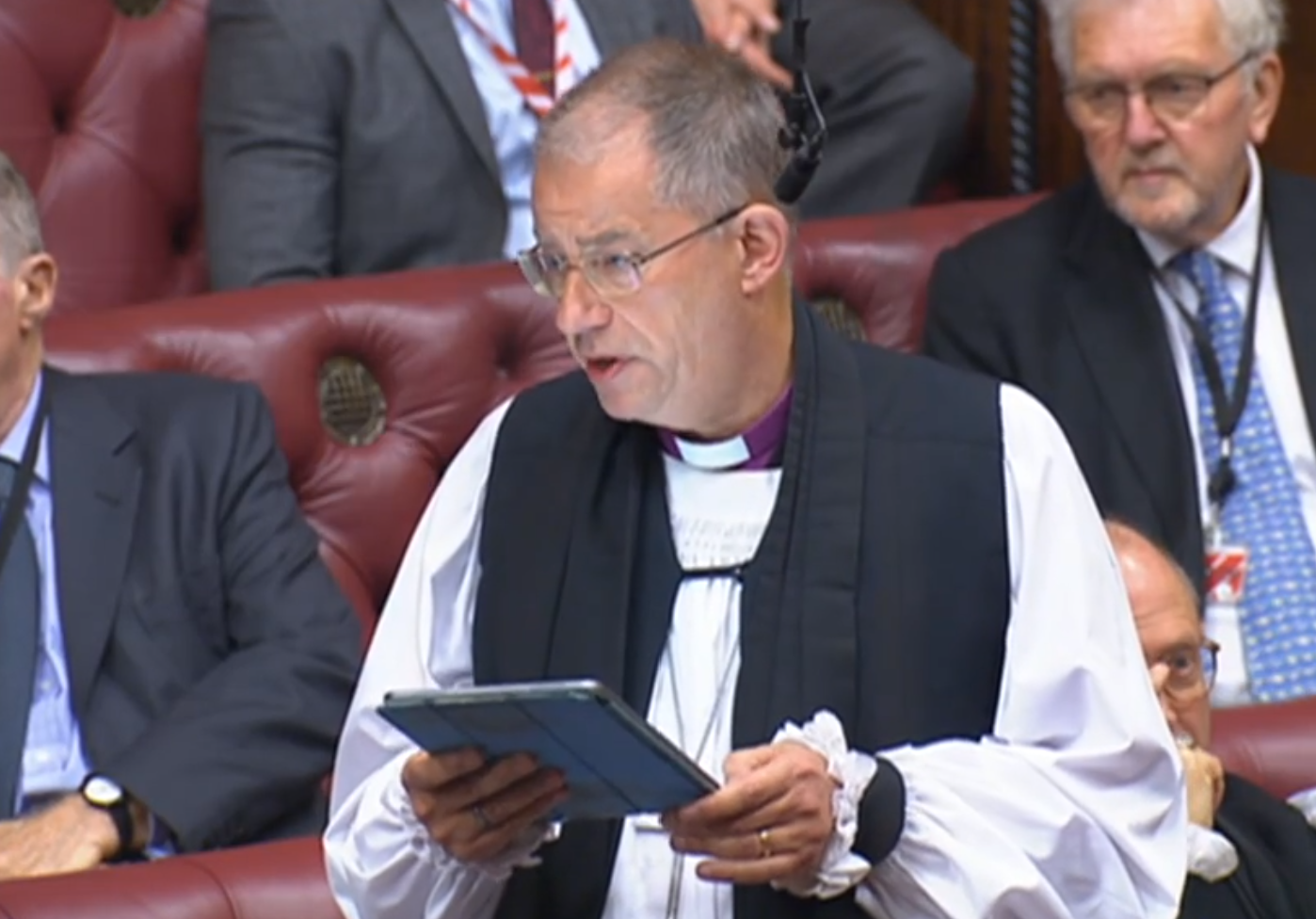
The Bishop of Leicester asked a question on the important role of the BBC in providing trusted information through the BBC World Service Programme on 12th November 2025, during a discussion on recent changes in leadership at the BBC:

The Lord Bishop of Leicester: My Lords, I have just returned from a visit to a country in west Africa that I know very well, and which has sadly suffered a number of coups in recent years. However, I can testify first-hand that the role of the BBC in such situations is highly regarded. In a situation where people do not know where to turn to find out what is happening around them, and where there are huge amounts of fear and anxiety, it is to the BBC that they turn to find out what is happening. I believe that remains true today, even in the face of mistakes that have been made. Can the Minister reassure us that the BBC will continue to have the people and resources needed to play this vital role internationally?

Continue reading “Bishop of Leicester asks about important role of the BBC World Service”

Votes: Enterprise Act 2002 (Mergers Involving Newspaper Enterprises and Foreign Powers) Regulations 2025

On 22nd July 2025, a vote took place in the House of Lords on amendments to the Enterprise Act 2002:

Continue reading “Votes: Enterprise Act 2002 (Mergers Involving Newspaper Enterprises and Foreign Powers) Regulations 2025”

Bishop of Oxford asks about methods of identifying AI use in media

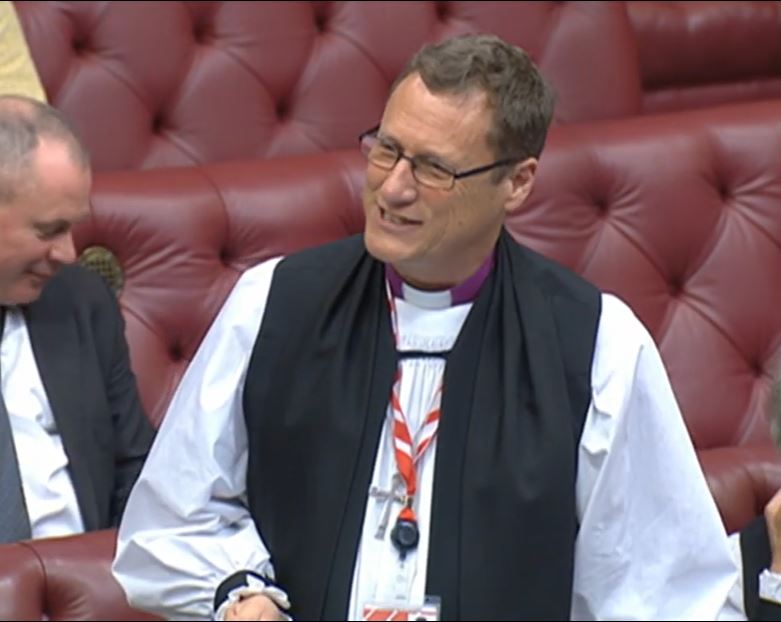
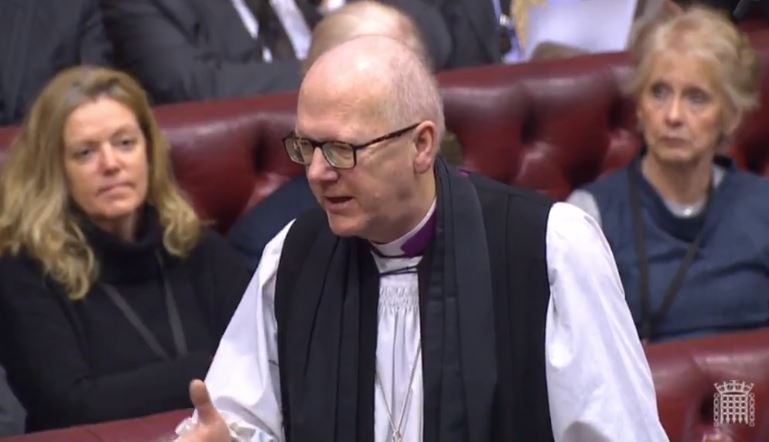
The Bishop of Oxford asked a question on the government’s view of watermarking AI generated content in media on 7th July, during a discussion on the impact of AI on the sustainability and reliability of news media:

The Lord Bishop of Oxford: My Lords, the Minister will be aware of the risks in AI of the impersonation of human reporting. A number of jurisdictions are experimenting with and exploring the watermarking of AI content, so that it is clear what is produced artificially and what is produced by people. The former Deputy Prime Minister Nick Clegg says in an article in the Times today that he is very sceptical of that approach. There is a counter-comment from Professor Michael Wooldridge of Oxford University commending it. Do the Government have a view on watermarking, and are their plans to introduce such legislation in the forthcoming AI Bill?

Continue reading “Bishop of Oxford asks about methods of identifying AI use in media”

Bishop of Oxford takes part in debate responding to report on the future of news

On 25th April 2025 the Bishop of Oxford spoke in a debate on the future of news, on support for local news, development of a public interest generative AI tool, and building media literacy throughout the population. The report being debated was produced by the Lords Communications and Digital Committee, on which the Bishop of Leeds serves as a member:

The Lord Bishop of Oxford: My Lords, I welcome this timely report and this debate. The themes of the report—ethics, truth, access and trust—are of vital importance to the Lords spiritual, as I know they are to all Members of your Lordships’ House. My right reverend friend the Bishop of Leeds was part of the committee that produced this report, and he sends his apologies that he is unable to be in the Chamber today. I, too, congratulate the noble Lord, Lord Pack, on his fascinating maiden speech on email newsletters and new forms of communication, and I welcome him very warmly from these Benches to this House.

I have had an interesting response to the report, as I have read it today, and it has really been appreciative of the wonder of living in an age in which, at any hour of the day or night, it is possible to learn what is happening anywhere in the world. I think that is amazing. We are able to access unfolding events, combined with thoughtful commentary and analysis. This week, the world has rightly been paying tribute to Pope Francis, following his death on Monday, for his humility, humanity and courage. Within minutes of the Pope’s death on Monday, we had not only the news that he had, sadly, died but appreciations of his life, comments from world leaders, analysis of his many achievements and a sense of one single news story across the world. The same is true day by day, minute by minute. This report has helped me see afresh the living miracle of the 21st century news environment. So I join others in paying tribute to the media reporters and technicians who devote their lives to public service and good journalism.

Continue reading “Bishop of Oxford takes part in debate responding to report on the future of news”

Bishop of St Albans asks about BBC translation guidelines

The Bishop of St Albans asked a question on publication of BBC translation guidelines on 4th March 2025, during a discussion on recent coverage on Gaza:

The Lord Bishop of St Albans: My Lords, I understand that one of the particular worries was to do with the way certain phrases were translated, and therefore may have unwittingly biased people or been misleading. Will the BBC publish the principles and guidelines that are used for translation in these difficult situations?

Continue reading “Bishop of St Albans asks about BBC translation guidelines”

Bishop of St Albans asks about use of soft power in the media

The Bishop of St Albans asked a question on the use of soft power via media outlets such as the BBC on 14th November 2024, during a discussion on the effectiveness of the BBC World Service:

The Lord Bishop of St Albans: My Lords, there is a tension here between having an independent BBC, which we are all grateful for—indeed, that is part of its integrity—and it being part of our strategic soft power. Could the noble Baroness tell us a little bit more about the strategic approach His Majesty’s Government are taking to thinking about the key places we need to engage with, not least in countering the deliberate disinformation coming from China and Russia, which is fundamental to the future of our democracies?

Continue reading “Bishop of St Albans asks about use of soft power in the media”

Bishop of St Albans raises concerns on impact of growth of film industry in Hertfordshire

The Bishop of St Albans asked a question on the potential impact of the growth of the UK film industry on housing and public services in his diocese on 10th October 2024, following a government statement on support for the film industry:

The Lord Bishop of St Albans: My Lords, this is surely to be welcomed, and I think we are all delighted to hear these announcements, building on what has been said before. However, there is a deep concern in many parts of the country. In Hertfordshire, where I live, we have Elstree, Leavesden, the OMA V and the new studios being built in Broxbourne, and I have been privileged to visit some of those. Not only do we have the challenge of skills shortages for the film industry but we have a massive shortage already with the announcement on building extra houses. Can the Minister assure us that we are getting an integrated strategy, looking across the whole range of needs for skills, so that we can really get ahead of this game? Without that, we will have the facilities but simply not the people available to make the films.

Continue reading “Bishop of St Albans raises concerns on impact of growth of film industry in Hertfordshire”

Media Bill: Bishop of Leeds supports amendments on standards and terms of reference for public service broadcasters

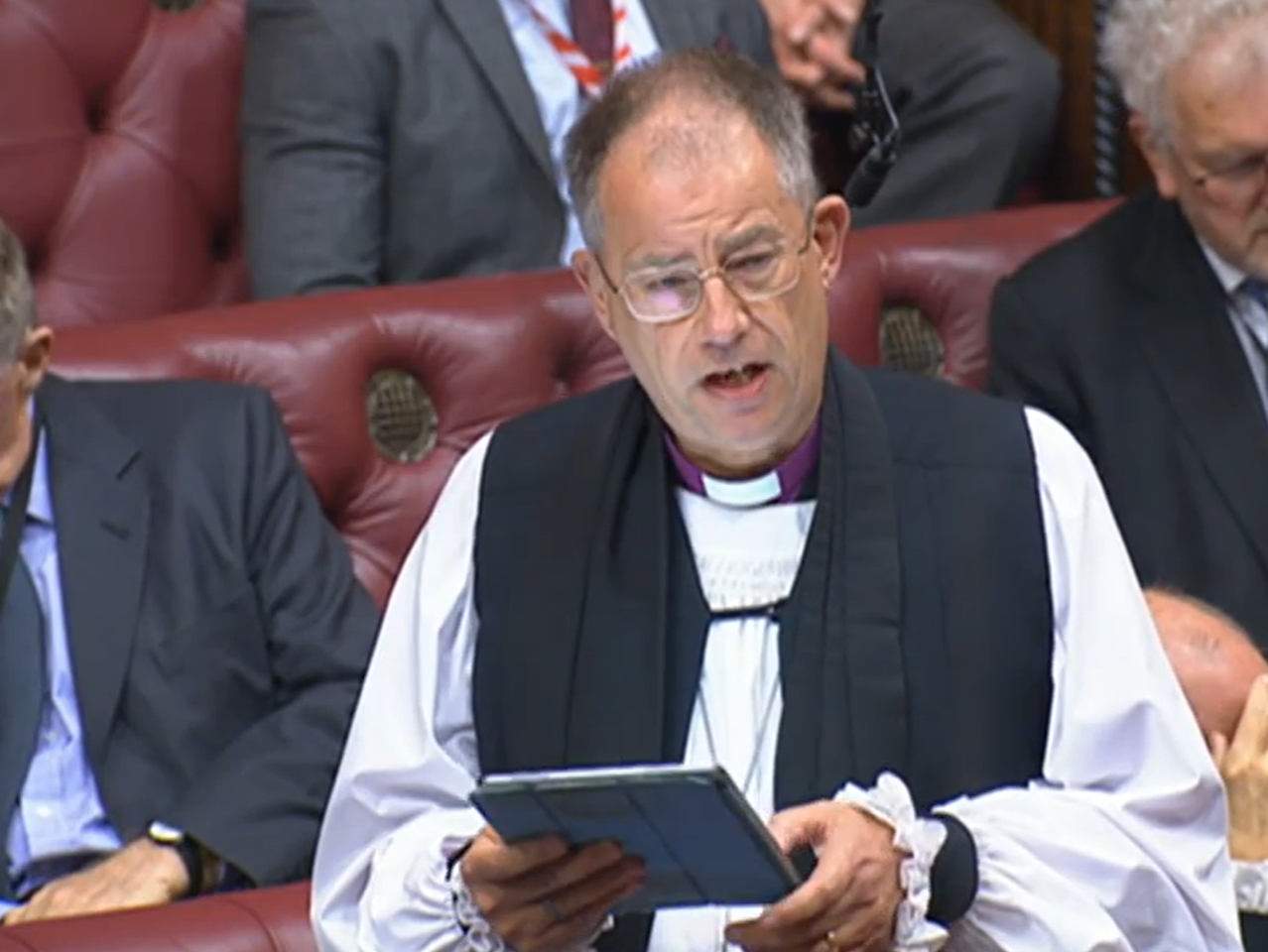
On 8th May 2024, the House of Lords debated the Media Bill in committee. The Bishop of Leeds spoke in support of a group of amendments on standards requirements for public service broadcasters, stressing the need for detailed terms of reference in public service broadcasting:

The Lord Bishop of Leeds: My Lords, I support the first four amendments in this group—Amendments 1 to 3 and 7—and will not repeat what has been said so far in the excellent two speeches. However, I support them for a different reason: I think that they lay the ground for later amendments, particularly Amendments 9, 13 and 32. I will make a serious point about those amendments now, partly because I may have to be on a train when the Committee gets to them.

If we take seriously the Reithian principles to inform, educate and entertain, it means doing what the inscription from George Orwell outside the BBC spells out: that people are enabled to be confronted by, or to hear and see things, that

“they do not want to hear”.

Continue reading “Media Bill: Bishop of Leeds supports amendments on standards and terms of reference for public service broadcasters”

Bishop of Leeds asks about funding of the BBC World Service

On 24th April 2024, the Bishop of Leeds asked a question on whether the government would consider taking back long term funding of the BBC World Service, rather than having the service funded through the licence fee:

The Lord Bishop of Leeds: My Lords, I notice that the funding agreement with the FCDO runs only until April 2025, which is not very far ahead. Can the Minister tell us whether the Government are considering, at the very least, taking back full funding of the World Service in the longer term rather than leaving it to the licence fee?

Continue reading “Bishop of Leeds asks about funding of the BBC World Service”

Media Bill: Bishop of Leeds welcomes legislation and highlights areas of concern around data use and metrics

On 28th February 2024, the House of Lords debated the Media Bill in its second reading. The Bishop of Leeds spoke in the debate, welcoming the bill whilst raising concerns on issues of metrics, language, prominence and genres:

The Lord Bishop of Leeds: My Lords, it is a pleasure but somewhat daunting to follow the noble Lord, Lord Birt. I agree with every word he said. I strongly welcome the Bill. It is timely and necessary. The regulatory framework that governs public service media, not just broadcasting, is in urgent need of updating, given the accelerating changes in technology, media consumption and the wider media ecosystem in the 20 years since the Communications Act 2003. I commend the excellent Library briefing for this debate. It was very helpful.

A number of things that are on my mind have already been mentioned, so I will move swiftly on. As the noble Baroness, Lady Featherstone, and, I think, the noble Lord, Lord Lipsey, have already noted, I understand that the intention to drop Section 40 of the Crime and Courts Act will almost certainly proceed. It was a manifesto commitment by the Government. However, I will not be the only person to want to put on record that arguments by press agencies about freedom of speech can ring somewhat hollow. Leveson worked on this for good reasons. Freedom of speech and press freedom must not be confused with press protectionism. Victims of press misrepresentation and abuse must be forgiven for suspecting that government can easily be captured by business.

Continue reading “Media Bill: Bishop of Leeds welcomes legislation and highlights areas of concern around data use and metrics”