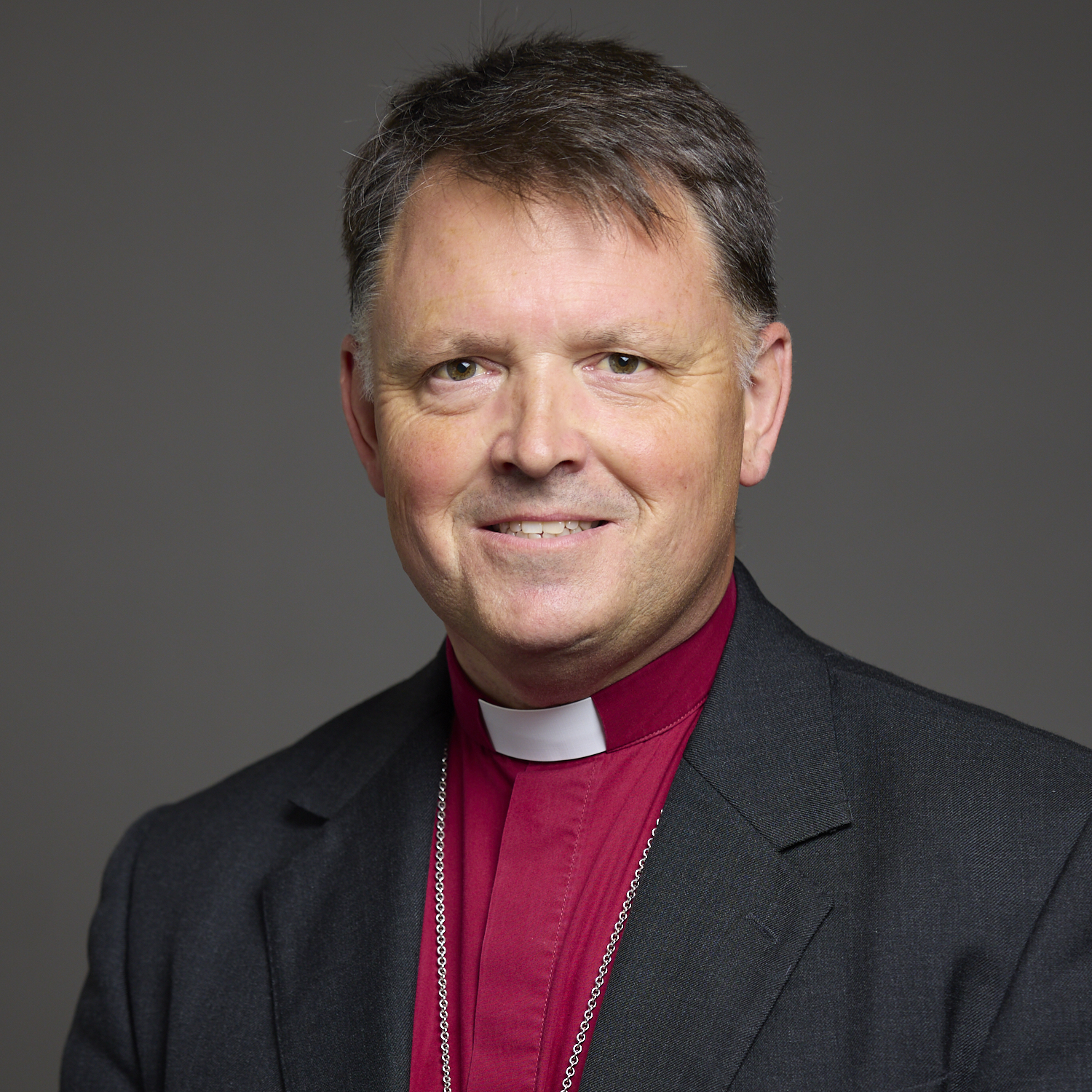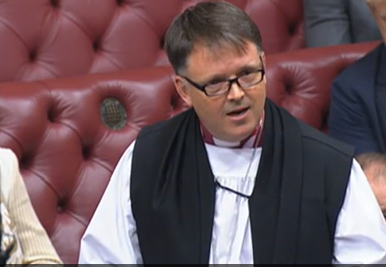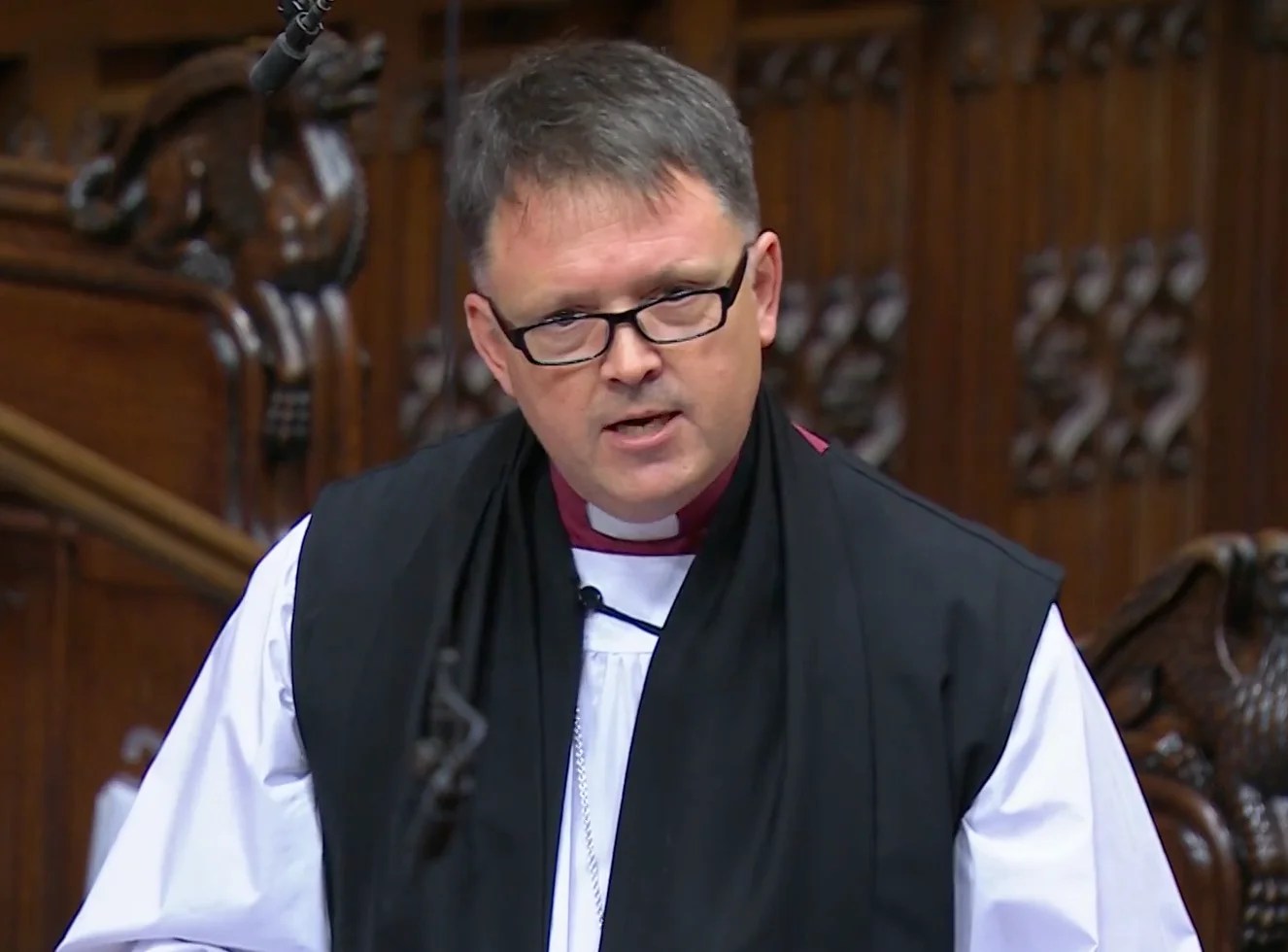
On 27th October 2025, the House of Lords debated the Planning and Infrastructure Bill. Votes were held on amendments to the bill, in which a Bishop took part:

On 27th October 2025, the House of Lords debated the Planning and Infrastructure Bill. Votes were held on amendments to the bill, in which a Bishop took part:

During a debate on the Planning and Infrastructure Bill on 27th October 2025, the Bishop of Norwich spoke to his amendment on the protection of chalk streams, which “would require a spatial development strategy to list chalk streams in the strategy area, outline measures to protect them from environmental harm, and impose responsibility on strategic planning authorities to protect and enhance chalk stream environments.”
The Lord Bishop of Norwich: My Lords, I shall speak to Amendment 94, and I thank the noble Earl, Lord Caithness, the noble Viscount, Lord Trenchard, and the noble Baroness, Lady Willis of Summertown, for their support. I am most grateful to follow the noble Baroness, Lady Grender, who has just spoken so powerfully about her amendment, as well as offering her support for this amendment. Amendment 94 would require a spatial development strategy to list chalk streams in the strategy area, outline measures to protect them from environmental harm and impose responsibility on strategic planning authorities to protect and enhance chalk stream environments.
Chalk streams, as we have heard, are a very special type of river. Some 85% of the world’s chalk streams are in England. They are fed primarily by spring water from the chalk aquifer, not rain, which means that they have clear, cold water and very stable flows. These globally rare habitats are found in a broad sweep from Yorkshire and the Lincolnshire Wolds through Norfolk, the Chilterns, Hampshire and Dorset. The Bure, Glaven, Wensum, Test, Itchen and Meon are river names that come to mind flowing, as they do, through the tapestry of English history and in our literature, such as the River Pang-based Wind in the Willows. They are rich in minerals, especially calcium, and this “base rich” environment supports a distinctive and rich ecology.
It is no wonder that this amendment and a similar one in the other place have received such positive support, including in your Lordships’ Committee. What it seeks to do is such an obvious thing, for what we love, we should desire to protect; what we value, we should safeguard; what is of global significance, we should be deeply proud of.
Continue reading “Planning and Infrastructure Bill: Bishop of Norwich tables amendment on chalk stream protections”The Bishop of Norwich asked a question on support for Road Victims Trust, a charity supporting families affected by drink-drivers and drug-drivers on 22nd October 2025:
The Lord Bishop of Norwich: My Lords, the Road Victims Trust does very important work in supporting those families that are affected by drink-drivers and drug-drivers. It is a charity that relies mostly on public donations. What could the Minister do to encourage police and crime commissioners to support the work of the Road Victims Trust through their grant-making?
Continue reading “Bishop of Norwich asks about support for Road Victims Trust”The Bishop of Norwich received the following written answers on 1st September 2025:
The Lord Bishop of Norwich asked His Majesty’s Government what support will be available to schools to decarbonise following the closure of the Public Sector Decarbonisation Scheme.
Continue reading “Bishop of Norwich asks about energy and environment”The Bishop of Norwich received the following written answers on 1st September 2025:
The Lord Bishop of Norwich asked His Majesty’s Government:
The Bishop of Norwich spoke in a debate on the National Policy Statement for Energy on 9th July 2025, stressing the need for a community-based approach to energy innovation:
The Lord Bishop of Norwich: My Lords, I am grateful to the Minister for his introduction, as there are many things within these documents to praise.
They set out a positive direction for future energy infrastructure, which broadly aligns with clean power by 2030 and net zero by 2050. Although I—and, I am sure, many others—welcome a whole-system approach to energy infrastructure planning, delivery has remained fragmented. Let us hope, to coin a phrase, that the wind might now change.
I have just come from the mass climate lobby outside, in Parliament Square. I am not usually someone who joins such events but, for me, it is vital for us to hear the Climate Coalition and the great many people who are raising this issue of climate change and nature loss, because it seems to be slipping down political agendas. Some of the coalition’s aims are to cut bills, back UK jobs and secure a greener, fairer future for all. Another is to restore nature to create a safer and healthier future. With these aims still fresh in my mind from the crowd outside, my remarks will address three areas: first, the cost of connection and district heating networks, especially for those organisations that create the warp and weft of community life; secondly, the capacity of the grid to receive the quantity of renewable energy that we need produced; and, thirdly, mitigating the impact of infrastructure projects on people, nature and landscapes.
Continue reading “Bishop of Norwich calls for community-based approach to energy innovation”The Bishop of Norwich received the following written answer on 25th June 2025:
The Lord Bishop of Norwich asked His Majesty’s Government what progress they have made in aiding the implementation of the Baku to Belém Roadmap in preparation for COP 30.
Continue reading “Bishop of Norwich asks about preparation for COP 30”The Bishop of Norwich asked a question on ensuring respect for international norms of armed conflict and humanitarian law on 19th June 2025, in response to a Government statement on the Iran-Israel conflict:
The Lord Bishop of Norwich: My Lords, those on these Benches join others in calling for Iran and Israel to draw back from war, especially the killing of civilians, and, as His Majesty’s Government have rightly said, prioritise restraint, diplomacy and dialogue. The noble Lord, Lord Purvis, rightly raised the fact that the conflict with Iran threatens to overshadow and move the focus away from the conflict in Gaza, and I am reassured by the Minister’s response to that. In both conflicts, though, civilians have been and are being targeted. What actions are His Majesty’s Government taking to ensure that internationally accepted norms of armed conflict are being respected, as well as the norms of humanitarian law?
Continue reading “Bishop of Norwich asks about response to Israel-Iran conflict”The Bishop of Norwich asked a question on funding to aid in tackling the issue of derelict boats in rivers and estuaries on 19th June 2025:
The Lord Bishop of Norwich: My Lords, the Broads Authority has had to spend £70,000 this year to raise two sunken boats in the Norfolk Broads. Will the Minister progress the recommendation in Defra’s Landscapes Review to remove the unnecessary complexities placed on the Broads Authority to account separately for income and expenditure from national park grant and from navigation, which would certainly enable the Broads Authority to undertake such work in a less complex way?
Continue reading “Bishop of Norwich asks about tackling issue of derelict boats on waterways”The Bishop of Norwich received the following written answer on 5th June 2025:
The Lord Bishop of Norwich asked His Majesty’s Government whether they plan to introduce mandatory extended producer responsibility for the tobacco industry or a ban on single-use cigarette filters to reduce environmental impact.
Continue reading “Bishop of Norwich asks about environmental impact of the tobacco industry”
You must be logged in to post a comment.