
“I hope that in this debate we will see how the different strands of soft and hard power can be better combined, and there can be a clearer sense of the narrative which sustains this wonderful country which has in the past given so much to the world when at its best, and has the potential to give even more if the advantages of our history, the skills of our institutions and the courage of our people are combined with a clear aim in view.”
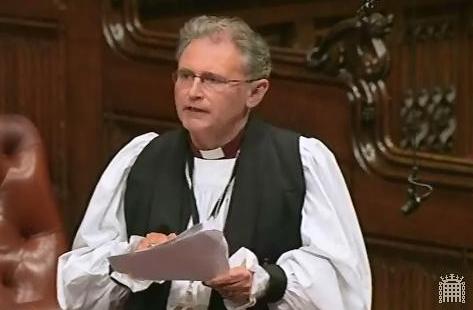
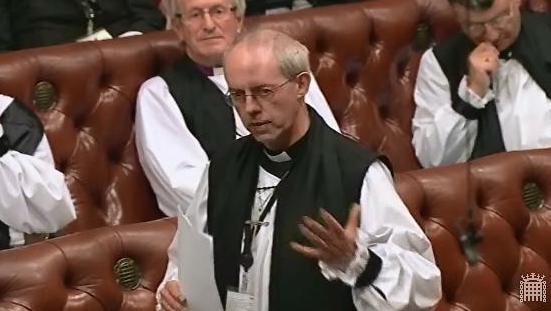 On 5th December 2014, the Archbishop of Canterbury, the Most Revd and Rt Hon Justin Welby, led a debate in the House of Lords to take note of the role of soft power and non-military responses to conflict prevention. In his opening speech, he reflected on the UK’s role in the wider world and the soft power assets it has at its disposal – the diplomatic services, the BBC, the British Council, the Commonwealth, overseas development assistance and the Church, particularly through relationships with the Anglican Communion. He spoke of the need to better understand ourselves, so as to be more effective in projecting the values and influence of the UK overseas. He also noted that the next Strategic Defence and Security Review needed to reflect the central relationship between soft and hard power, and called for more joined-up working across Government to ensure this was the case. Following his opening speech, twenty-six other members of the House contributed to the debate, including the Bishop of Derby, whose remarks can be read here. The Archbishop closed with his reflections on the topics discussed in the course of the debate. Continue reading “Archbishop of Canterbury leads House of Lords debate on conflict prevention”
 The Church of England in Parliament
You must be logged in to post a comment.