On 30th January 2020 the House of Lords considered the Church of England (Miscellaneous Provisions) Measure, a piece of church legislation that was introduced by the Bishop of Gloucester, Rt Revd Rachel Treweek. A short debate also took place on a motion to regret the Measure, tabled by Lord Trefgarne, which was subsequently withdrawn. The Measure was passed.
Moved by The Lord Bishop of Gloucester
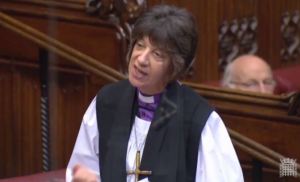 That this House do direct that, in accordance with the Church of England Assembly (Powers) Act 1919, the Church of England (Miscellaneous Provisions) Measure be presented to Her Majesty for the Royal Assent.
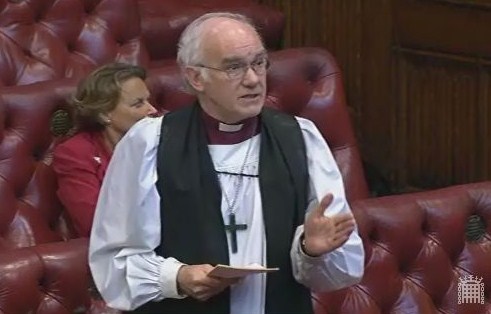
The Lord Bishop of Gloucester: My Lords, although the provisions contained in this Measure are miscellaneous, some of them are nevertheless important. Rather than go through the Measure section by section, it might be helpful if I just mention some of the more significant provisions at this point.
Section 2 implements a recommendation from Dame Moira Gibb’s report following her review of the Church of England’s response to the abuse committed by Peter Ball. One of the report’s recommendations was for the introduction of a national register of clergy with permission to officiate. That recommendation has been further developed and Section 2 will now require there to be a national ministry register. Every clerk in holy orders who has authority to exercise ministry in the Church of England will have to be included in the register. There is also provision for the creation of a register of licensed lay people, and bishops will be required to provide details to the Archbishops’ Council on a regular basis so that the national registers are kept up to date. A form of the register that omits personal contact information will be published by the council and be accessible to the public free of charge.
Continue reading “Lords approve Church of England (Miscellaneous Provisions) Measure”
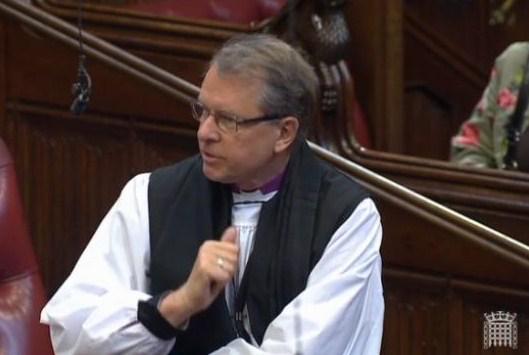
 The Lord Bishop of Chichester: My Lords, I am grateful for the clarity with which the noble Lord, Lord Hunt, has spoken and am glad to follow him in this debate. I can speak today with direct experience of the work of IICSA and its handling of evidence. In March this year, the inquiry held public hearings over 14 days in its case study of the Chichester diocese, in which I gave written and oral evidence. As part of that case study, the inquiry has also heard evidence from survivors of sexual abuse. I begin today by asking the House to keep in mind the courage, and personal cost, with which survivors have been willing to share their testimony.
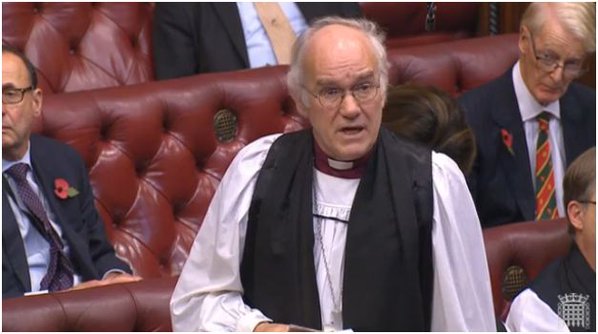
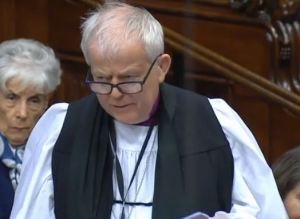 On 11th December 2018 the House of Lords debated a Motion from Lord Lexden, “That this House regrets the failure by Her Majesty’s Government to institute an independent inquiry into Operation Conifer conducted by the Wiltshire police into allegations of child sex abuse against Sir Edward Heath; and calls on Her Majesty’s Government to make proposals for an independent review of the seven unsubstantiated allegations left unresolved at the end of Operation Conifer.” The Bishop of Salisbury, Rt Revd Nicholas Holtam, spoke in the debate:
 The Lord Bishop of St Albans To ask Her Majesty’s Government what assessment they have made of the rise in the number of children and young people being treated for self-harm.
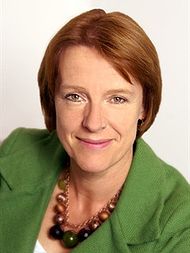 On 5th September 2016 the Second Church Estates Commissioner, Rt Hon Caroline Spelman MP, answered a written question from Graham Allen MP about the Church of England’s response to a report on abuse at Kendall House, Gravesend.



You must be logged in to post a comment.