
The Bishop of Newcastle spoke in a debate on the contribution of science and technology to the UK economy on 31st October 2024, with a focus on the growth of the science and technology sector in the North East of England:
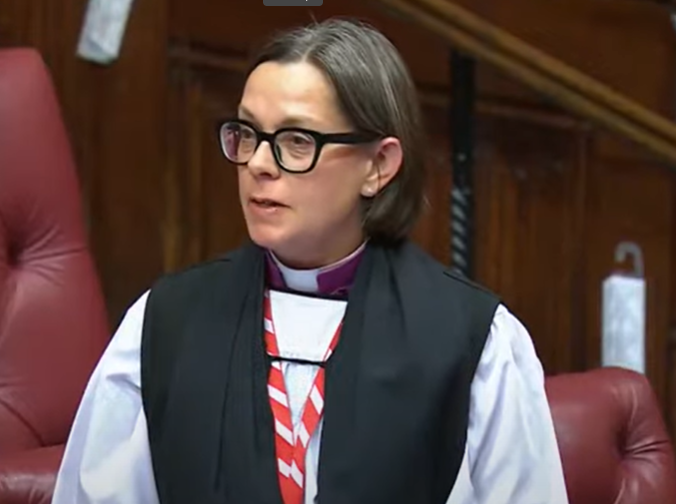
The Lord Bishop of Newcastle: My Lords, I thank the noble Viscount, Lord Stansgate, for bringing this important and timely debate. I look forward to the maiden speech of the noble Baroness, Lady Freeman, and welcome her to your Lordships’ House.
I want to focus my remarks on the north-east region’s rapidly growing science and tech sector as a huge asset to the UK economy, attracting skills and investment from across the world. At the heart of the sector in this region are its five distinguished universities: Durham, Newcastle, Northumbria, Sunderland and Teesside. This month they announced their new partnership, known as Universities for North East England, that will strengthen their collaboration, making a greater contribution to everyone who lives, works, and studies in the north-east and driving regional economic growth.
Continue reading “Bishop of Newcastle speaks on growth of the technology sector in the North East of England”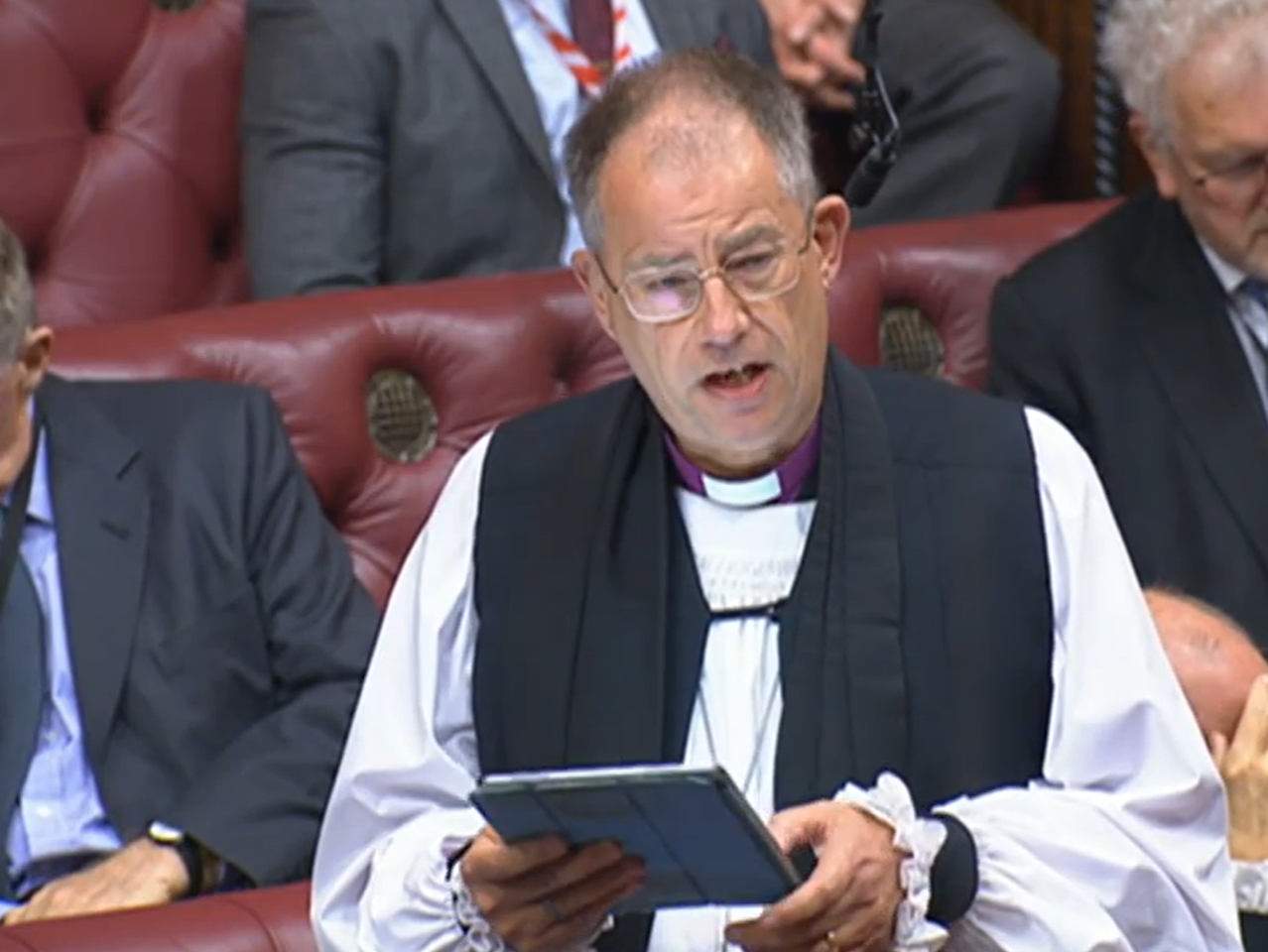

 The Lord Bishop of Oxford: My Lords, I declare an interest as a board member of the CDEI and a member of the Ada Lovelace Institute’s new Rethinking Data project. I am also a graduate of the AI Select Committee. I am grateful to the noble Lord, Lord Clement-Jones, for this important debate.
 The Lord Bishop of Carlisle: My Lords, I add my own congratulations and gratitude to the noble Baroness, Lady Bakewell, on securing this timely and important debate. Unlike my noble friend Lord Patel and other noble Lords yet to speak, I am not a scientist. However, I have vivid memories of following the Human Genome Project with a mixture of excitement and awe as I realised its huge potential for good. I have been equally impressed by the many recent developments in gene editing, including the 100,000 Genomes Project and CRISPR-Cas9, which we have heard about, and their implications for the prevention or treatment of diseases such as cystic fibrosis, muscular dystrophy and cancer.
  The Church of England in Parliament
You must be logged in to post a comment.